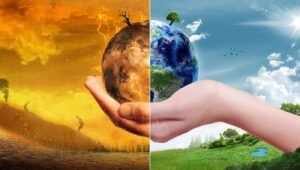
Climate Vocabulary – It’s The Future of Earth’s Biosphere

*Climate Vocabulary – It’s The Future of Earth’s Biosphere*
The Climate Vocabulary: In the present world, environmental problems are increasing globally, and scientific terms and concepts related to climate are being heard more frequently. The specialized terms used to understand topics such as climate change, environmental protection, energy use, and biodiversity are called Climate Vocabulary. These terms are mainly used in fields such as climate change, environmental science, geography, and biology. In simple terms, climate vocabulary refers to the collection of words used to explain climate-related processes, problems, impacts, and solutions. There are many important concepts within climate vocabulary. For example, terms such as Global Warming, Carbon Footprint, Renewable Energy, Biodiversity, and Sustainable Development are widely used across the world today. These terms help explain the causes of climate change, their impacts, and ways to reduce them.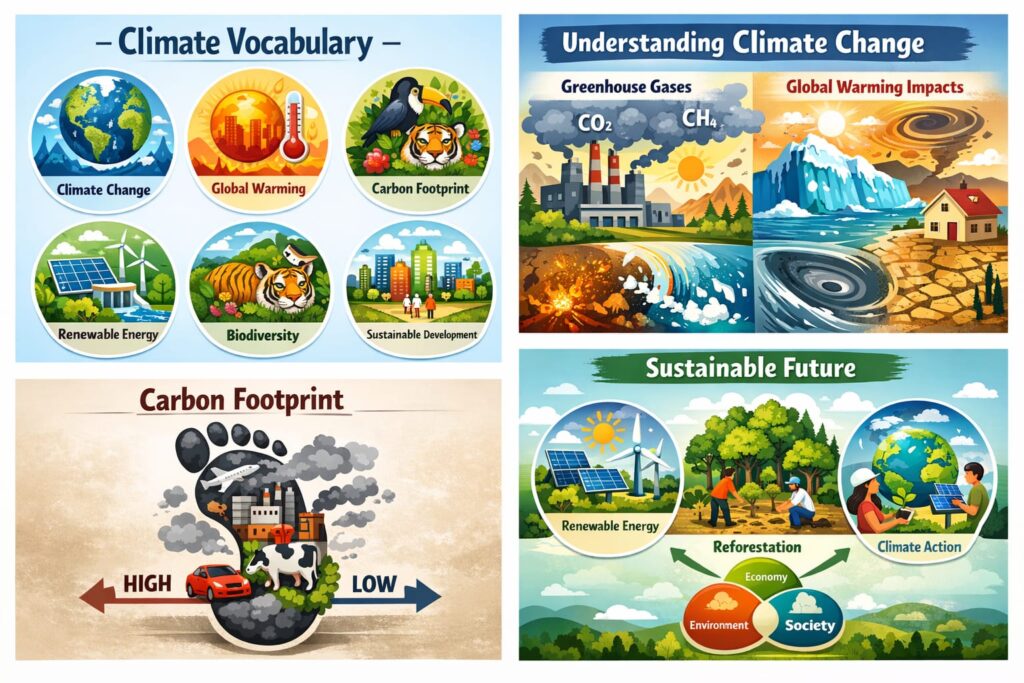
Scientists, governments, environmental organizations, and students use this vocabulary to understand climate problems and discuss possible solutions. The main role of climate vocabulary is to create awareness among people. These terms help explain clearly how climate change occurs and how it affects our way of life. For instance, the term “Global Warming” helps people easily understand the issue of rising global temperatures. Similarly, the term “Carbon Footprint” reminds us about the carbon emissions released into the atmosphere through our daily activities. In this way, climate vocabulary increases environmental responsibility among people.
Another important role of climate vocabulary can be seen in policy formulation. Governments rely on these scientific terms when designing environmental protection policies. For example, programs such as sustainable development, renewable energy use, and carbon emission reduction are implemented based on these concepts. Climate vocabulary also plays a key role in international environmental meetings and agreements. Furthermore, it is very important in the field of education. Not only students studying environmental science, but also ordinary people need to understand these terms, because climate change affects the lives of every individual. Through climate vocabulary, people can better understand how natural systems function and how human actions influence them.
Role of Climate Vocabulary in the Environment: Climate vocabulary is not merely a collection of scientific words. It is an important tool for understanding the environmental challenges faced by the world and for identifying solutions to those problems. Through this vocabulary, awareness among people increases, and greater importance is given to nature conservation. Ultimately, climate vocabulary guides humanity toward living in harmony with nature. Today we are witnessing a rapidly changing world. Especially the climatic conditions are changing drastically compared to the past. In order to understand and address these changes, new concepts and new terminology have entered our lives. This terminology can be described as “A Climate Vocabulary of the Future.” As problems such as rising global temperatures, natural disasters, loss of biodiversity, and water scarcity increase, these terms are becoming essential for understanding the future of our planet. In this context, the concept of Climate Change has become a major topic of discussion worldwide.
Global Warming and Its Impact: One of the key aspects of climate change is Global Warming. Due to the excessive use of fossil fuels such as coal, petroleum, and natural gas, along with emissions from industries and vehicles, greenhouse gases are increasing in the atmosphere. As a result, the average temperature of the Earth is rising. This leads to the melting of glaciers, rising sea levels, severe heat waves, and extreme rainfall events. These developments are also severely affecting biodiversity on Earth. Under such circumstances, it becomes very important to understand that every human activity has an impact on the environment. Therefore, the concept of Carbon Footprint has gained importance. The carbon footprint refers to the amount of carbon dioxide released into the atmosphere by an individual, organization, or country through their activities. Electricity consumption, transportation, and industrial operations all contribute to increasing carbon emissions. In order to protect the environment in the future, reducing this carbon footprint is extremely important.
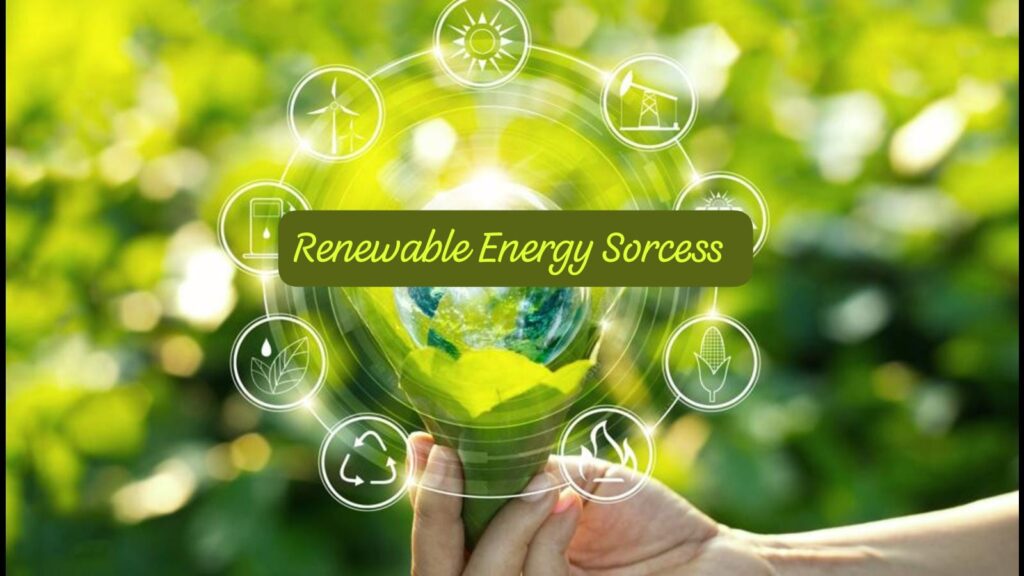
Net Zero Emissions and Renewable Energy: To reduce these environmental problems, many countries around the world are adopting the goal of Net Zero Emissions. This means reducing the amount of carbon emissions released into the atmosphere and balancing it by absorbing an equivalent amount through trees and other natural systems. Planting trees on a large scale, regulating polluting industries, and promoting clean energy sources are key steps toward achieving this goal. At the same time, Renewable Energy is extremely important for meeting future energy needs. Energy generated from renewable sources such as solar power, wind power, and hydroelectric power helps reduce climate change. Unlike fossil fuels, these energy sources cause less environmental damage and serve as a beacon of hope for the future world.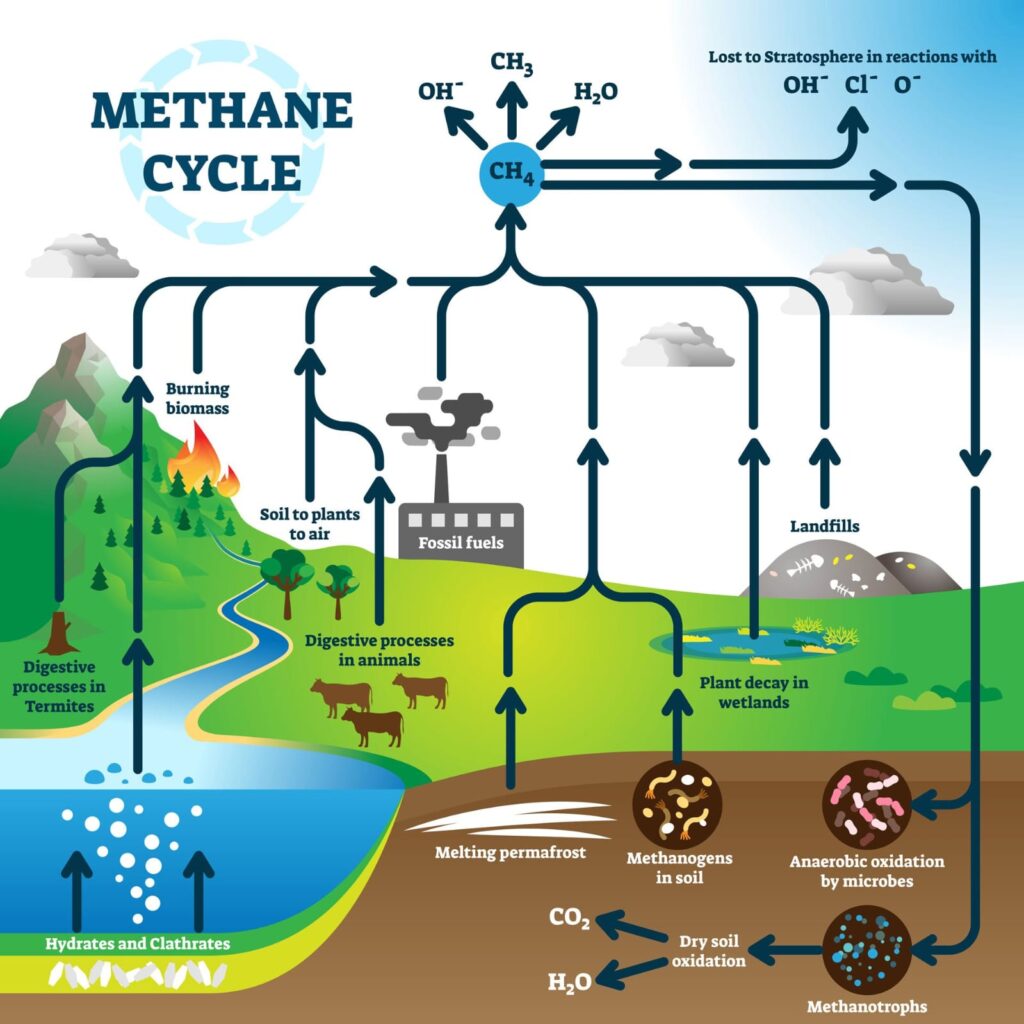
Climate Resilience and Biodiversity: Although climate change cannot be completely avoided, societies must prepare themselves to reduce its impacts. This ability is known as Climate Resilience. Climate resilience involves strengthening the capacity of communities to withstand natural disasters such as floods, cyclones, and droughts while continuing their livelihoods. Measures such as water conservation, eco-friendly agriculture, and tree plantation help strengthen community resilience. The total variety of living organisms on Earth is known as Biodiversity. Biodiversity forms the foundation of ecological balance. However, climate change, deforestation, and pollution are causing many species to disappear. If biodiversity declines, the balance of nature will be disturbed. Therefore, biodiversity conservation is extremely important for the future of the planet.
Sustainable Development: In order to prevent environmental destruction in the name of development, the concept of Sustainable Development has become increasingly important. Sustainable development aims to meet the needs of the present generation without compromising the ability of future generations to meet their own needs. It is based on three pillars of Environmental protection, Economic development and Social equity.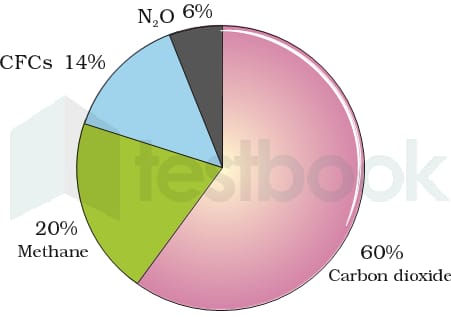
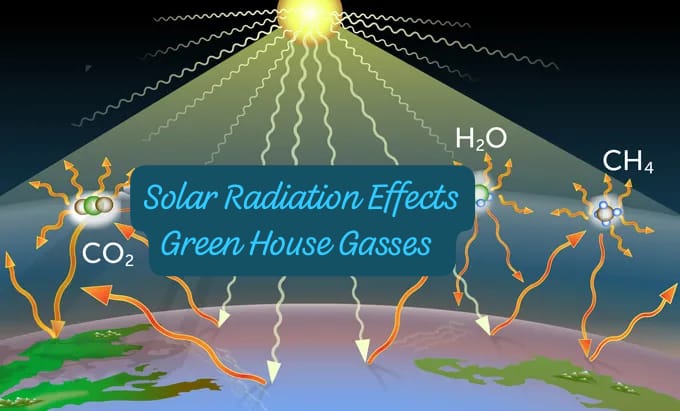
Climate Change – Challenges and Solutions for the World: Climate change is one of the most serious challenges faced by humanity today. Over the past few decades, industrial expansion, deforestation, population growth, and excessive use of fossil fuels have caused significant changes in the Earth’s climate system. These changes are not limited to temperature rise alone. They also affect rainfall patterns, wind systems, ocean currents, and ecological systems. As mentioned earlier, global warming caused by greenhouse gases such as carbon dioxide and methane is a major driver of climate change. These gases trap heat from the sun in the Earth’s atmosphere, causing the planet to warm. This warming leads to melting glaciers, rising sea levels, and extreme weather events.
Impact of Climate Change on Biodiversity: Due to climate change, natural disasters such as severe storms, floods, forest fires, and droughts are increasing worldwide. Some regions experience heavy rainfall while others face severe drought. These conditions affect agriculture, economic stability, and human livelihoods, particularly in developing countries. Climate change also has a severe impact on biodiversity. The collective variety of animals, birds, plants, and microorganisms on Earth forms biodiversity, which maintains ecological balance. However, due to deforestation, pollution, and climate change, many species are losing their habitats, and some are becoming extinct.
Sea Level Rise and Climate Migration: Another major global concern is the rising sea level. Melting glaciers and polar ice are causing sea levels to rise gradually. As a result, coastal cities, island nations, and seaside villages face increasing risk. In many areas, people are forced to leave their homes and migrate to safer regions. This phenomenon is known as Climate Migration, which may become a major social and economic challenge in the future.
Climate Change in India – Solutions: India is also one of the countries significantly affected by climate change. Agriculture in India largely depends on the monsoon. However, due to climate change, monsoon patterns are becoming increasingly unpredictable. Some years witness devastating floods, while others experience severe droughts. This situation causes financial hardships for farmers and affects food security. Water scarcity is another growing problem in India. Overuse of groundwater, destruction of lakes and streams, and rapid urbanization have led to severe drinking water shortages in many regions. Urban areas are also experiencing the Urban Heat Island effect, where temperatures rise significantly due to dense construction and lack of greenery.
To address these challenges, India is taking various steps along with other nations. Reducing carbon emissions is a major priority. Many countries have announced Net Zero Emission targets.This involves reducing carbon emissions and balancing them by absorbing carbon through forests and natural ecosystems. Large-scale afforestation programs and forest conservation efforts are being implemented. At the same time, expanding the use of renewable energy is essential for future energy needs. Solar, wind, and hydroelectric power are environmentally friendly energy sources. India is already emerging as a leading country in solar energy production.
Development should not harm nature. Therefore, implementing sustainable development policies is essential. Sustainable development ensures that present needs are fulfilled without damaging the ability of future generations to meet their needs. Climate change is a major challenge facing humanity. This problem cannot be solved by a single country or community. Governments, scientists, environmental organizations, and citizens must work together. Only by respecting nature, using resources wisely, planting trees, and protecting biodiversity can we ensure a safe planet for future generations. Recognizing that environmental protection is the responsibility of everyone, each individual must contribute to protecting nature.
“If we respect and protect nature, it will continue to provide resources and safeguard the Earth’s environment.”
— Ravi Babu Pittala, M.Sc., M.Tech., (Ph.D)
Environmentalist, Former Assistant Professor, Jawaharlal Nehru Technological University Hyderabad, Hyderabad and Joint Secretary, Orugallu Wildlife Society, NGO
Telangana State, India.
Mobile: +91 9849425271.