Dominance Trends, Control of Resources – An Analysis of the Future of the World

*The Future of All Nations in the Hands of a Few Countries*
— By Ravibabu Pittala,
*– Dominance Trends, Control of Resources – An Analysis of the Future of the World*
*– War Provocations by Superpowers – Their Global Impacts*
Globalization and Concentration of Power:
In the twenty-first century, the world is experiencing rapidly changing developments. Information technology, international trade, and globalization have strengthened relations between nations. However, one important aspect of this globalization is becoming increasingly clear — global power, wealth, and technology are becoming concentrated in a few powerful countries. These nations, which are ahead in economic, technological, political, and military sectors, influence the global system. As a result, the development paths of many smaller and developing countries are increasingly dependent on the policies and decisions of these powerful nations. Therefore, many economic and political analysts suggest that in the future, the lives and development of many countries may come under the influence of only a few powerful nations.
Economic Dominance and Control of Global Markets:
In the global economic system, only a few countries function as major centers. Through large investments, multinational corporations, international trade agreements, and control over financial institutions, these nations influence global markets. Developing countries often depend on foreign investments, international loans, and technological assistance for their growth. This dependence sometimes leads to economic inequalities. An economic crisis in a powerful country can have worldwide consequences. Employment, prices, investments, and trade systems are all affected. Thus, the growing dominance of a few nations over global markets may weaken the economic self-reliance of smaller countries.
Technological Dominance and Digital Control:
In today’s world, technology has become a major source of power. Only a few countries lead in fields such as artificial intelligence, digital communication, satellite systems, biotechnology, pharmaceutical research, and data management. While the entire world uses technologies developed by these nations, the control over them remains largely in the hands of a few. Digital platforms, social media networks, and cloud data servers also influence the global flow of information. As a result, knowledge, information, and technological resources are increasingly concentrated in certain countries. In the future, this digital dominance may have even greater influence on global politics, economies, and societies.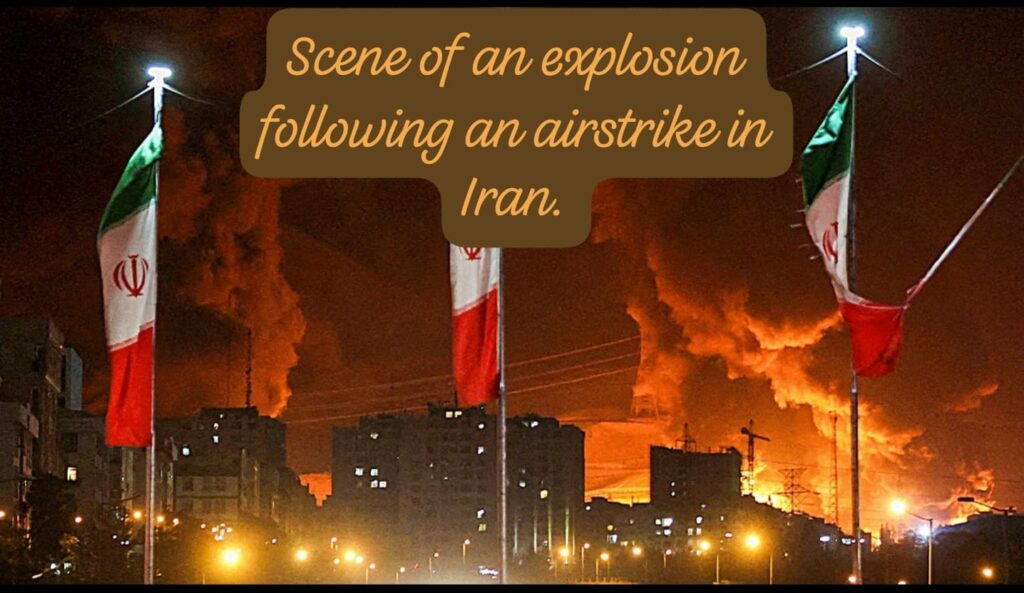
Political and Military Influence:
In the global political system, only a few countries play a decisive role. Their influence is evident in international agreements, peace negotiations, security policies, and conflict situations. Nations that are advanced in modern weapons, military technology, and space research significantly influence global security structures. Smaller countries sometimes depend on larger nations for their security, which may limit their ability to act independently in political matters. Thus, military and political power have become key factors shaping global dynamics.
Control Over Natural Resources:
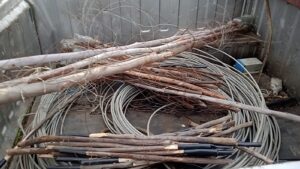
Natural resources are essential for global development. Oil, natural gas, coal, rare minerals, water resources, and forests are the lifelines of the global economy. However, these resources are not equally distributed across all countries. Some regions possess abundant resources and therefore play an important role in the global economy. Multinational corporations and powerful countries invest heavily in resource-rich developing nations to access these resources. As a result, local resources are often utilized according to the demands of international markets.
Resource Exploitation and Problems of Local Communities:
The exploitation of resources often affects local communities. Mining activities, forest exploitation, and large industrial projects sometimes lead to the displacement of local populations from their lands, forests, and water resources. Tribal and rural communities may lose their traditional ways of life. While large corporations and investors gain significant profits from resource extraction, local communities often receive limited benefits, leading to social inequalities. Many critics therefore describe such situations as resource exploitation.
Wars of Superpowers – Global Impacts:
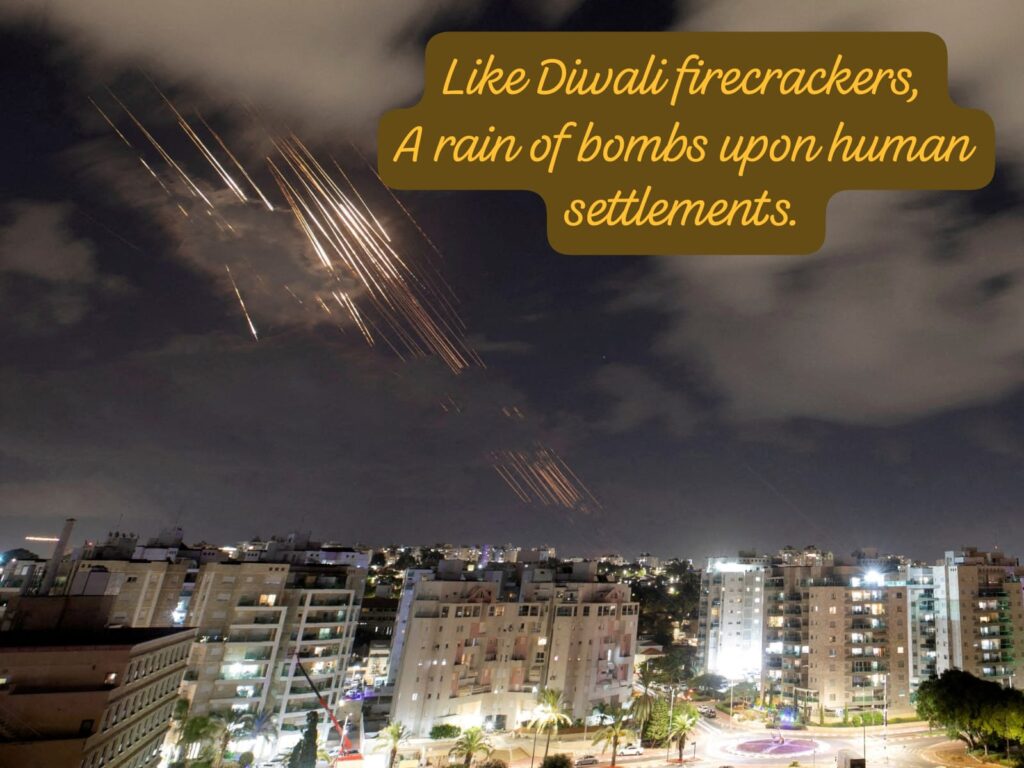
Wars among powerful nations do not remain limited to the countries involved. Their impacts spread across the world in environmental, economic, health, and social spheres. During wars, large quantities of weapons, bombs, and chemicals are used, causing air, water, and soil pollution. Forest destruction, loss of wildlife habitats, and reduction in biodiversity also occur. Economically, wars can have severe consequences. Rising oil prices, disruptions in international trade, and interruptions in transportation lead to global inflation. Poor and developing countries are often the most affected.
From a health perspective, wars cause massive loss of life, injuries, disabilities, and psychological trauma. Refugee crises increase, and people suffer due to shortages of clean water, food, and medical services. Socially, wars disrupt people’s lives — families are separated, education systems collapse, and employment opportunities decline. People are often forced to migrate from their homes. Therefore, wars among superpowers are not merely political conflicts but events that deeply affect the global environment, economy, health, and social systems. Only through global peace, cooperation, and mutual respect can such problems be reduced.
Dominant Nations – Exploitation of Global Resources:
In the global political and economic system, some wealthy and powerful countries expand their dominance by controlling natural resources. Oil, minerals, and metals are particularly valuable resources, and countries rich in these resources often face strong influence from powerful nations. Developing and poorer countries depend on foreign investment and technology for economic development, and powerful nations sometimes use this dependence for their own interests. Oil is the primary fuel of the global economy. Therefore, superpowers often attempt to influence regions rich in oil resources politically and economically. Similarly, rare minerals and metals — such as iron, bauxite, copper, and lithium — are essential for modern industries and technology. Controlling these resources provides opportunities to influence global markets.
In many cases, the natural resources of developing countries are used more for the profits of foreign corporations than for the development of local populations. Large-scale mining, industries, and resource extraction often lead to environmental damage and disruption of local livelihoods. Tribal and rural communities may lose their lands and forests. Hence, it is important that global resource use prioritizes equality, environmental protection, and the rights of local communities. Natural resources should benefit all humanity rather than only a few powerful nations.
Debt Politics and Economic Control:
Developing countries often borrow foreign loans to build infrastructure and development projects. These loans can sometimes become a heavy economic burden. To repay them, countries may have to modify their economic policies, which can affect their economic independence. International financial institutions and powerful countries provide support for development projects, but the conditions attached to such support can influence national economic systems.
Authoritarian Tendencies and People’s Rights:
In the implementation of major development projects or resource exploitation, the opinions of local people are sometimes ignored. Public movements fighting for environmental protection or community rights may face suppression. Such situations challenge democratic values, environmental justice, and social equality. A balance between development needs, environmental protection, and people’s rights is essential.
Building a Sustainable and Equitable World with Human Values:
Although global power is increasingly concentrated in a few nations, building a fair and balanced world is not impossible. Each country must protect its natural resources while implementing sustainable development policies based on human values. Through effective use of local resources, technological self-reliance, and improvements in education and research, nations can strengthen their independence. Only when international cooperation, justice, and environmental protection are respected can a balanced global system emerge. When nations work together with mutual respect, equality, and cooperation, future generations can inherit a safe and equitable world grounded in human values.
— Ravibabu Pittala, M.Sc., M.Tech., (Ph.D), Environmentalist, Former Assistant Professor, JNTUH, Hyderabad, and Joint Secretary, Orugallu Wildlife Society NGO, Telangana State, India.
Mobile: +91 9849425271.