Without Environmental Awareness, There is No Survival
*The Epic of Biodiversity: Environmental Education and Sustainability*
*– Without Environmental Awareness, There is No Survival*
*– Environmental Education Must Emerge as a Movement in Society Today*
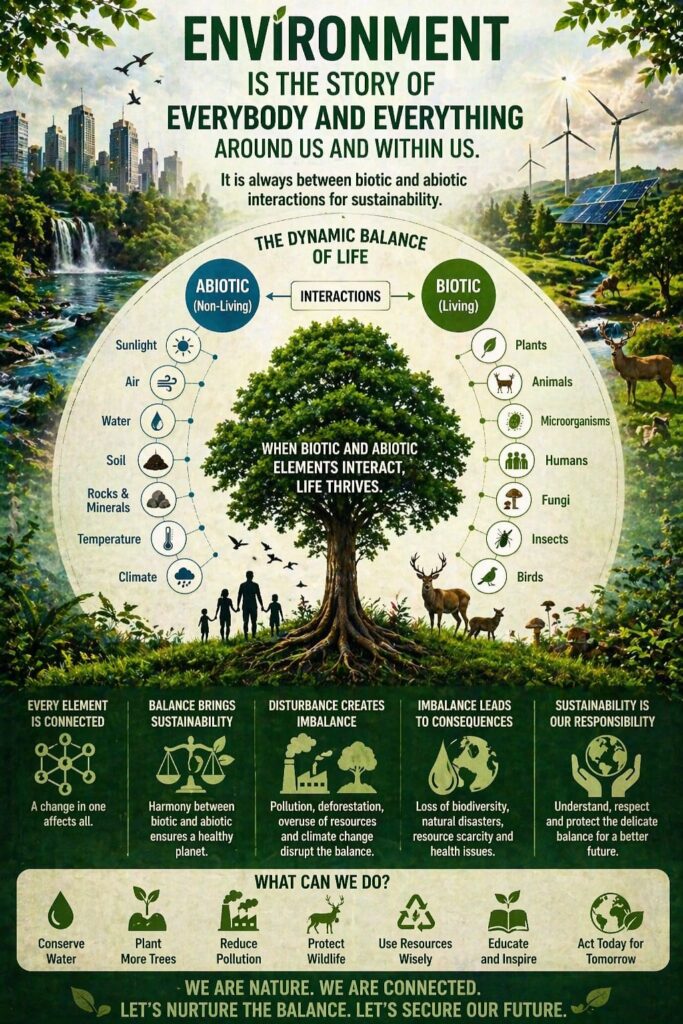
The environment is not merely a distant spectacle existing somewhere outside of us; it is a grand epic that flows continuously both within us and all around us. “The environment is the story that speaks of everything surrounding us, as well as every living breath residing within us.” In this narrative, the intricate interactions between biotic (living) and abiotic (non-living) elements serve as the very foundation for sustainability on Earth. Today, nature is losing its inherent essence due to human-induced artificial interventions and self-serving tendencies. Humanity’s indiscriminate exploitation of natural resources—far beyond actual needs—is disrupting the ecological cycle and creating a severe imbalance. To rectify this perilous situation, laws alone are insufficient; a revolutionary transformation is required in the behavior and mindset of every individual across the globe. For this, *’Environmental Education’* remains the sole viable path. We must raise awareness among people—by reminding those in rural areas of the nature-worship traditions practiced by our ancestors, and by highlighting to those in urban areas the detrimental consequences of the ever-expanding ‘concrete jungles.’ Everyone must internalize the truth that the Earth does not belong exclusively to us humans, but is, in fact, the shared home of all living beings. To disseminate this awareness among the public, a clear understanding can be fostered by prioritizing the following aspects: Change begins only when we view nature not merely as an ‘asset,’ but as a ‘legacy.’ In rural areas, focus must be placed on initiatives such as preserving village tanks and reducing the use of chemical fertilizers. In urban areas, we can restore the ecological balance we have lost through rainwater harvesting, adopting a plastic-free lifestyle, and planting trees. Environmental education should not be confined solely to classrooms; rather, it must evolve into a social movement spanning from the village square to the apartment complexes of the city. Nature will serve as our protective shield only if we learn to live in harmony with its laws. The greatest gift we can bequeath to future generations is not material wealth, but rather pollution-free air, clean water, and a lush, green environment. This transformation must begin with us—starting from our own homes and our own villages. To fulfill the aspirations of our elders, visionaries, ancestors, and environmentalists, it is absolutely essential that these awareness initiatives reach the masses, inspiring every individual to become an ‘environmental soldier.’ There is a significant need for pamphlets and posters to support the awareness sessions conducted in both rural and urban areas.
*The Environment – An Interconnected Web*
The environment is not merely a collection of trees, hills, or flowing rivers visible to the naked eye; it is a magnificent, interconnected web that serves as the very foundation for the survival of all living beings. An inseparable, invisible bond is constantly woven between humans, nature, and the physical elements within the natural world. The life-sustaining oxygen we breathe every moment, the pure water that quenches our thirst, and the food that provides us with energy—all these are invaluable gifts bestowed upon us by this ecosystem. The natural world constantly teaches us a vital lesson: human survival remains secure only when the environment is healthy and balanced. Our very existence, our health, and our future are inextricably linked to the well-being of the environment. Therefore, protecting the environment is not merely an act of benevolence toward the external world; it is, in essence, an act of self-preservation—safeguarding ourselves and breathing life into our future generations. It is only when we respect and protect nature that it stands as a protective shield around us, ensuring our continued existence. To comprehend this profound interconnection and to live in harmony with nature constitutes true civilization.
*Ecosystem and it’s Biotic Components*
Within the grand epic of nature, “Biotic Components” serve as the very lifeblood that keeps this living narrative flowing. From the tiniest particle that has drawn breath upon the Earth to the most complex, intelligent human being, every single entity is an integral part of this intricate system. On one hand, lush forests, vast grasslands, and vegetation—such as marine algae—harness sunlight to produce food, thereby infusing this earth with energy; on the other hand, the diverse fauna—ranging from ferocious beasts in the wilderness to birds soaring freely in the skies—utilizes this energy to drive the ecological cycle forward. Alongside all these, microorganisms—invisible to the naked eye yet present in the soil and air—decompose waste, serving as the great purification engines of this creation. Within this intricate system, the most critical and responsible role belongs to human beings. These living organisms do not merely rely on one another for survival; they also act as mutual guardians of each other’s existence, thereby constructing a magnificent and balanced ecosystem. Should even a single, tiny organism within this web of life go extinct, the repercussions would ripple through the entire system like a chain reaction. Therefore—true to the adage *Vruksho Rakshati Rakshitah* (Protect the trees, and they will protect you)—it is the fundamental duty of us all to respect and safeguard every living being around us to ensure the continued harmony of our own existence. This very interdependence of life constitutes the true beauty and strength of nature.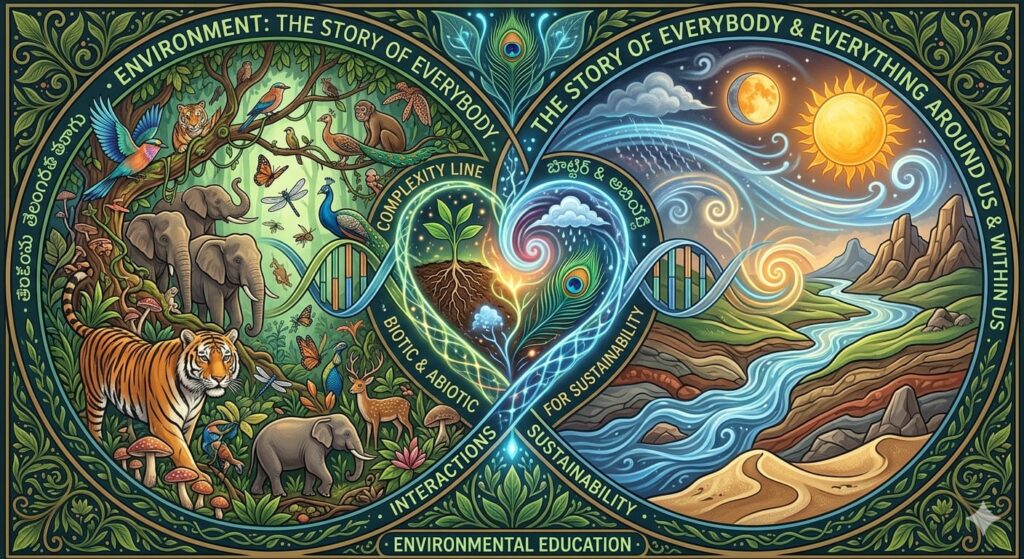
*Ecosystem and it’s Abiotic Components*
Abiotic components serve as the very foundation stones of the magnificent edifice known as Nature. Although they do not possess life themselves, they provide the essential platform and favorable conditions necessary for life on Earth to originate, grow, and flourish. It is impossible to imagine a world devoid of elements such as sunlight, water, air, soil, and climate. Sunlight is not merely light; it serves as the primary fuel for all living organisms on Earth. Without sunlight, photosynthesis—the process by which plants produce oxygen and food—would not occur. Similarly, while water acts as the lifeblood for every living cell, air supplies the gases essential for our respiration. Soil is far more than just dirt; it is a vast reservoir that provides structural support to plants while supplying them with the necessary minerals and nutrients. Collectively, these abiotic elements establish a specific climate, which, in turn, determines the types of life forms that can survive in any given region. In essence, these physical elements constitute the bedrock of the living world; it is through the energy and resources they provide that the biosphere thrives. Therefore, protecting abiotic components—such as water, air, and soil—from pollution is, in effect, safeguarding the very foundations of our own existence.
*The Interaction Between Biotic and Abiotic Elements in the Environment*
The true secret behind the remarkable survival of nature lies in the ceaseless, reciprocal interaction occurring between biotic (living) and abiotic (non-living) elements. The exchange of energy between these two spheres is absolutely critical for this planet to stand as a living testament to existence. For instance, to grow from a tiny sapling into a mighty tree, a plant transforms inanimate, abiotic elements—utilizing sunlight as energy, minerals from the soil as nourishment, and water as the very essence of life. In essence, the biotic world receives raw materials provided by the abiotic world and converts them into vital life force. Herbivorous animals rely on that tree, carnivorous animals rely on the herbivores, and humans depend on this entire system for all their needs. Thus, abiotic energies flow through living organisms and eventually cycle back into nature itself. This continuous, complex, and interdependent process is what we term ‘sustainability.’ If this cycle of life is disrupted at any point, it jeopardizes the entire ecological balance. Therefore, respecting this invisible bond within nature and ensuring that this cycle flows smoothly is essential for our own survival.
Through environmental education—which fosters an understanding of these interactions—even a layperson can gain the insight necessary to know how to protect the natural world around them.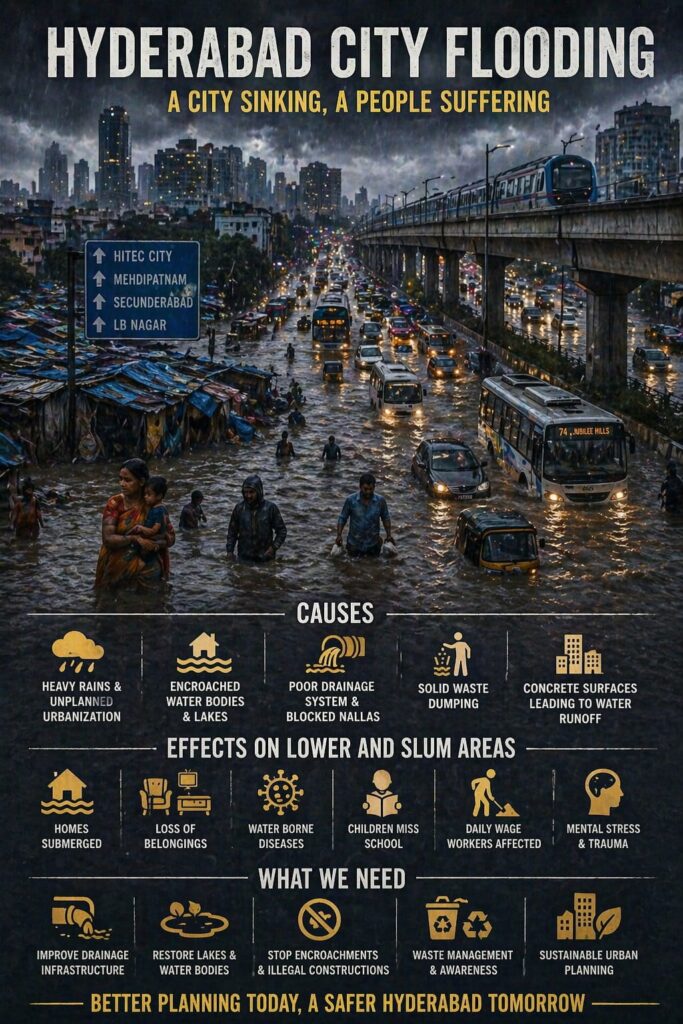
*Environmental Balance – A Stepping Stone to Sustainability*
The delicate equilibrium established between the biotic (living) and abiotic (non-living/physical) elements of nature serves as the fundamental basis for the sustenance of life on this planet. A healthy ecosystem implies that these two components rely upon one another in perfect harmony. It is only when such a healthy balance prevails that the air we breathe remains pure, potable water is available in abundance, and the climate remains stable and conducive to the millions of life forms inhabiting the Earth. The flourishing of biodiversity signifies that every organism in nature fulfills its specific role effectively, thereby upholding this vital balance. Should this equilibrium undergo even a minor disruption, it triggers a chain reaction that evolves into a grave threat to the very survival of all life forms. Therefore, a crucial point we must bear in mind is that ‘sustainability’ is not merely a slogan to be invoked on specific occasions; rather, it is a discipline—a way of life—that requires us to live in complete harmony with nature. The true pathway to sustainability lies in safeguarding the environment—meeting our own needs without in any way compromising the ability of future generations to meet theirs. It is only by respecting the laws ordained by nature and living in accordance with them that we can bequeath this Earth as a safe and secure habitat for the future.
*Key Causes of Environmental Imbalance*
The greatest challenge facing the globe today is environmental imbalance. The primary reasons for this are the excessive selfishness humans display toward nature and the ruthless exploitation of natural resources. In the name of development, our indiscriminate deforestation—the felling of forests—is causing the Earth to lose its “lungs”; this not only destroys wildlife habitats but also disrupts rainfall patterns. Under the guise of industrialization, the toxic waste (pollution) released into rivers and the atmosphere is causing illness among humans and all other living beings. Although nature provides sufficient resources to meet our needs, we are misusing them—depleting them at a pace that far exceeds nature’s natural regenerative capacity. Furthermore, carbon emissions from vehicles and factories are exacerbating global warming (climate change), causing polar ice to melt, leading to rising sea levels, and disrupting seasonal cycles. In short, the root cause of this imbalance is that we are destroying nature at a pace too rapid for it to recover. Instead of regarding and respecting nature as a mother, we have treated it merely as a commodity to be exploited; consequently, the ecosystem has been thrown into chaos, posing a grave threat to our very survival.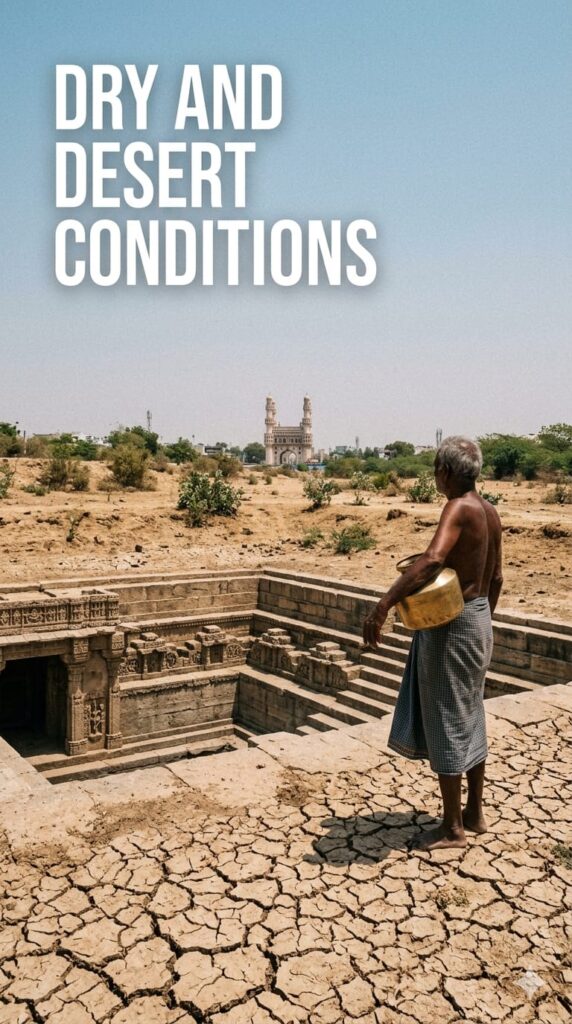
*Anthropogenic Activities – Catastrophic Consequences*
The imbalance currently emerging within the ecosystem—driven by human selfishness and the indiscriminate exploitation of natural resources—is today leading to unforeseen and catastrophic consequences. Humanity’s insatiable urge to plunder nature beyond its actual needs is shattering natural ecological cycles. A direct result of this is the untimely and sudden flooding we witness in metropolitan cities like Hyderabad; as the land is paved over in a craze for concrete structures, rainwater is prevented from percolating into the soil, causing groundwater levels to plummet to abysmal depths. Furthermore, deforestation and pollution are not only causing the extinction of biodiversity but are also stripping nature of its protective shield, thereby paving the way for the proliferation of new types of viruses and deadly diseases. The wounds we are inflicting upon the environment deal an irreparable blow—not merely to nature itself—but also to our own physical health, mental well-being, and the nation’s economy. These disasters serve as stark warnings, demonstrating just how terrifying nature’s wrath can be when its fundamental laws are violated. If we do not abandon our selfishness and strive to preserve ecological balance at least now, we will leave behind nothing but a desolate, uninhabitable earth for future generations. *A Shared Responsibility – Environmental Education*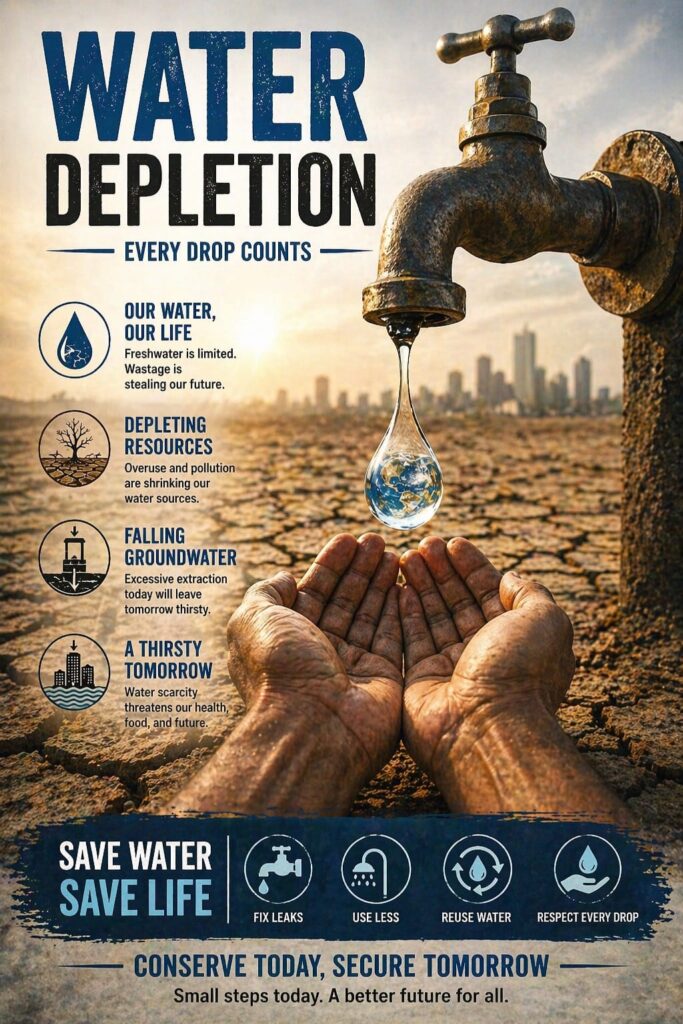
To rescue our planet from the vortex of environmental crisis, ‘Environmental Education’ must not remain merely an academic subject; it must become a way of life for every individual. In the face of today’s dire circumstances, it is absolutely imperative that we recognize our responsibilities and take decisive action. In particular, regarding *water conservation*, we must remain vigilant; beyond using groundwater judiciously to prevent its depletion, we must actively adopt methods to harvest rainwater. Furthermore, drawing inspiration from the adage *Vruksho Rakshiti Rakshitah* (He who protects trees is protected), everyone must strive not only to plant saplings but also to nurture and protect them until they grow into mature trees, thereby contributing to the expansion of our forest cover. At a time when *pollution control* is emerging as a significant challenge, we must reduce the waste we generate, shun the use of materials like plastic, and actively promote recycling practices. This environmental consciousness must not be confined solely to adults; only by fostering a love for nature and a sense of responsibility among students—starting right from the *school level*—can we ensure that the next generation lives in a safe and healthy environment. It is through this heightened awareness that we can preserve the ecological balance and pave the way for a sustainable future.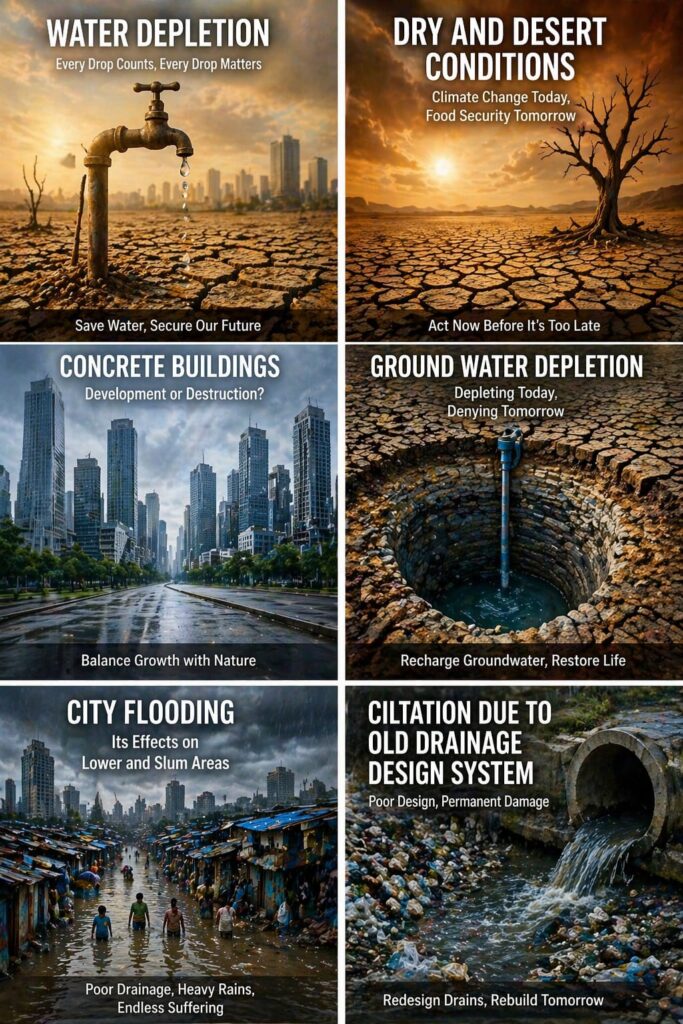
*We Are Nature – We Are Survival – Life and Livelihood Depend Solely Only on Environmental Education*
We must grasp the truth that “we are not separate from nature; we are an integral part of it.” If we protect the environment, it will, in turn, protect us and our future generations. In this modern era—despite the immense technological progress humanity has achieved—no one should ever lose sight of the fundamental truth that our very existence relies upon the laws of nature. We can attain true security only when we deeply understand and respect environmental regulations and natural principles. Nature fulfills our needs, but never our greed; therefore, recognizing that we are not the masters of nature but merely a part of it, we must shape our lifestyles to align with its laws. Since everything—from the air we breathe to the water we drink—is interconnected with other living beings, it is our moral imperative to preserve all forms of biodiversity. Biodiversity resembles a chain; if even a single link within it is damaged, the entire system risks collapse. Consequently, we must refrain from the indiscriminate exploitation of resources, acknowledge the inherent right of every living creature on Earth to exist, and realize that the greatest legacy we can bequeath to future generations is, quite simply, a pristine and sustainable environment. Only then will the natural equilibrium—in which all living beings coexist in mutual respect and interdependence—be sustained indefinitely, thereby transforming this planet into a safe and secure sanctuary for all life forms. As advised by our ancestors, seasoned experts, and environmentalists, let us all come together to understand the complexities of the nature surrounding us; let us live in harmony with it, honor this green connection, and lay the foundation today for a sustainable tomorrow.
*– RAVI BABU PITTALA , Environmentalist, +91 9849425271*