The Plastic Death Trap — A Silent Death Sentence for Livestock
*The Plastic Death Trap — A Silent Death Sentence for Livestock*
*– Plastic Waste — An Unresolvable Crisis within Ecosystems*
*– Microplastic Contamination in Meat, Food Products, and Dairy*
*– This article offers a scientific analysis of the tragic incident that recently occurred in Antarvedi.*
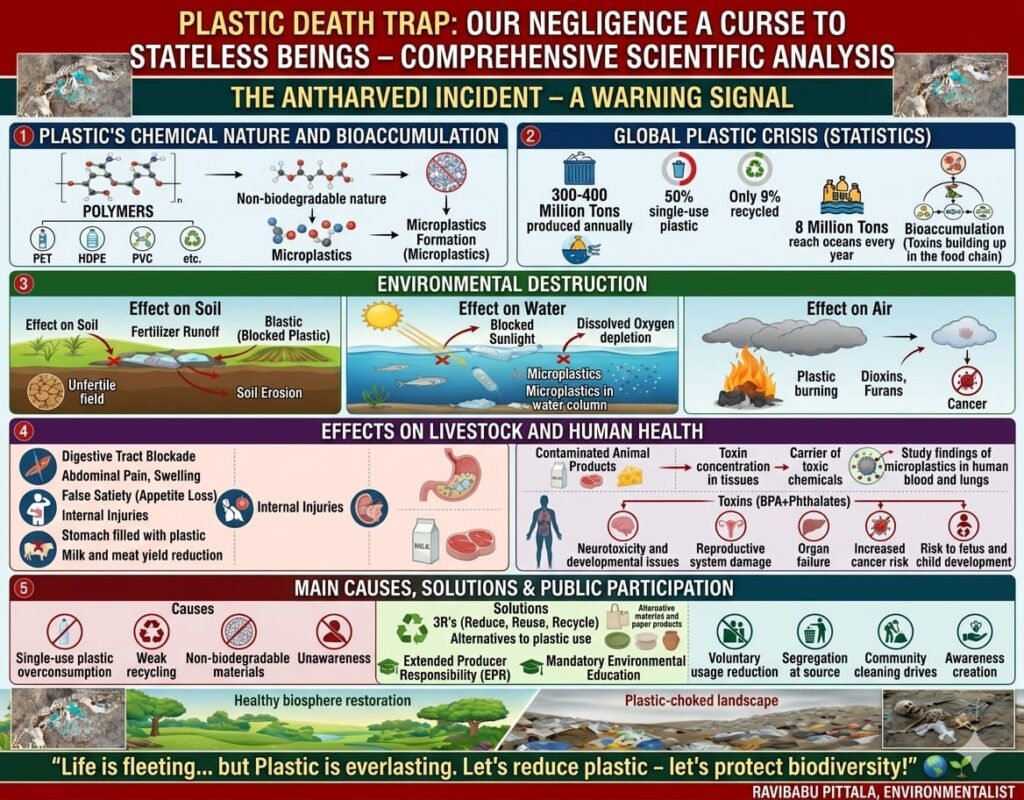
The plastic waste accumulated within the stomach of a cow—whose remains had been reduced to a mere skeleton on the Antarvedi coast—represents far more than just the scene of a single animal’s demise; it stands as stark evidence of a scientifically perilous ecological process known as “bio-accumulation.” Plastic is a synthetic polymer compound derived from petroleum products, and it inherently lacks the capacity to undergo natural decomposition (i.e., it is not biodegradable). From a scientific perspective, decomposers—such as bacteria or fungi—are unable to sever the robust carbon-carbon bonds that bind plastic molecules together; consequently, these materials persist in the environment for hundreds of years. In the case of this particular animal, the entry of plastic into its food chain triggered a physiological condition known as “false satiety.” In other words, because plastic fills the animal’s stomach, it receives no signals indicating hunger; consequently, it slowly succumbs to malnutrition. Furthermore, toxic heavy metals and other chemicals from the environment adhere to the surface of plastic particles; as these enter the animal’s body, the plastic remains intact and unaltered even after the animal’s skeletal remains have decomposed. This not only disrupts ecological balance but also severely compromises groundwater quality and the biological vitality of the soil. This grim reality stands as scientific evidence of human irresponsibility, vividly illustrating the injustice we are inflicting upon nature.
*Plastic Pollution and Its Devastating Impact on the Survival of Mute Creatures*
The accumulation of plastic in the stomachs of livestock—leading to their ingestion of toxic chemicals and subsequent death—represents one of the most alarming developments in contemporary environmental science. In addition to malnutrition, the sharp edges of plastic fragments lacerate the digestive tract, resulting in internal bleeding (hemorrhage) and infections. Even more dangerous is the fact that toxic chemicals embedded within the plastic (e.g., BPA, phthalates) are gradually released into the animals’ bodies over time. These substances disrupt the endocrine system, leading to hormonal imbalances, reproductive disorders, and ultimately, organ failure. Due to this toxic impact, even as the animal’s body decomposes, the plastic waste lodged within its stomach remains completely intact—a stark testament to human negligence. Witnessing these heart-wrenching scenes on social media not only disturbs our conscience but also highlights just how far behind we lag in the realm of environmental conservation. To put an end to this silent death sentence, it is absolutely imperative to curb plastic consumption and embrace eco-friendly alternatives. Safeguarding the survival of these voiceless creatures is not merely a matter of humanitarian concern; it is also crucial for preserving ecological balance and securing our own future.
However, on a previous occasion as well, Dr. Satyanarayana Kar and his team at the Ganjam District Veterinary Office were shocked to discover 50 kilograms of polythene bags inside a cow’s stomach. Similarly, such incidents recurred in April 2022, when 15 kilograms of polythene were removed from a cow’s stomach, and again in August 2023, when 30 kilograms were extracted.
*The Chemical Nature of Plastic and Its Environmental Consequences*
From a scientific perspective, plastic is a highly complex ‘synthetic polymer’ compound synthesized from petroleum derivatives. Constructed from long chains of carbon atoms, this material remains completely impervious to nature’s inherent processes of natural biodegradation. This is because the microorganisms present in our environment lack the specific enzymes required to break down the chemical bonds that constitute the structure of plastic. This is the fundamental reason why polythene bags persist in the soil for hundreds of years, and why rigid polymers—such as plastic bottles—remain intact and undecomposed for as long as half a millennium. Over time, subjected to physical and atmospheric factors—such as ultraviolet (UV) radiation from sunlight, wind, and water—these plastic objects fragment into even finer particles known as ‘microplastics.’ Measuring less than five millimeters in size, these microplastics become virtually invisible to the naked eye and infiltrate biological systems through the soil, water bodies, and the air. Moving from one trophic level to another within the food chain—a process known as ‘biomagnification’—these substances ultimately not only disrupt ecological balance but also exert severe toxic effects on both human and animal health. Plastic does not simply vanish; it merely changes its form, thereby evolving into a grave threat to all living organisms.
*The Global Plastic Crisis: The Severity Reflected in Statistics and Environmental Consequences*
The approximately 300 to 400 million tons of plastic produced globally each year are fast becoming a scourge of modern industrialization. The fact that nearly 50% of this massive output consists solely of ‘single-use’ (disposable) plastic products reflects the profound negligence inherent in our consumption habits. According to scientific analysis, only 9% of the total plastic produced is effectively recycled; this implies that more than 90% of the waste remains somewhere on Earth, continuing to contaminate ecosystems. Due to failures in waste management, nearly 8 million tons of plastic waste find their way into the oceans annually, posing an extremely dangerous threat to the survival of marine life. These figures are not merely statistics; they represent the accumulating ‘plastic load’ within the ecosystem. These plastic particles are infiltrating the soil, water, and air, gradually eroding biodiversity. If plastic waste continues to enter the environment unabated in this manner, then in the coming decades, ‘plastic pollution’ will cease to be merely a regional issue; instead, it will evolve into a massive environmental catastrophe impacting the oxygen supply and food security of all living beings across the globe.
*Plastic Pollution: A Devastating Impact on Groundwater Reserves and Soil Erosion*
From the perspective of geology and water resource management, the accumulation of plastic waste on the soil surface is emerging as a major impediment to the natural hydrological cycle. Soil naturally possesses the capacity for ‘infiltration’ and ‘percolation’—the ability to absorb water and transmit it into subsurface layers; however, the formation of an impermeable layer by plastic covers and waste on the soil surface completely halts the seepage of rainwater into the ground. Consequently, not only does the groundwater table fail to recharge and subsequently decline, but the water stagnating on the surface transforms into ‘surface runoff.’ As this runoff flows rapidly, it subjects the topsoil to erosion. This process washes away vital soil nutrients, rendering arable land barren. Furthermore, these impermeable plastic layers obstruct soil aeration; this leads to the demise of beneficial microorganisms and organisms such as earthworms, thereby degrading the physical and chemical properties of the soil. Consequently, not only do crop yields plummet, but the land itself is rendered unfit for agriculture. By stripping the soil of its natural integrity, plastic waste is pushing both the ecosystem and human livelihoods into a severe crisis.
*The Toxic Impact of Plastic on Animal Survival: A Silent Death Sentence*
The impact of plastic pollution on the animal kingdom is truly dire and can be aptly described as a “silent death.” From a scientific perspective, when animals mistake plastic for food and ingest it, it accumulates in their digestive tracts, inducing a condition known as “false satiety.” This means that, despite their stomachs being physically full of plastic, the animals receive none of the nutrients essential for metabolic functions and ultimately starve to death. Furthermore, the sharp edges of plastic fragments can lacerate the digestive tract, leading to internal injuries, hemorrhaging, and infections. Moreover, when hazardous chemicals—such as Bisphenol A (BPA) and phthalates—used in the manufacture of plastics are released into an animal’s body, they disrupt the endocrine system, resulting in hormonal imbalances, reproductive disorders, and organ failure. This toxic impact is not limited solely to terrestrial creatures; every year, thousands of turtles, seabirds, and fish lose their lives due to the millions of tons of plastic waste that find their way into the depths of the ocean. These chemicals move from one trophic level to another within the food chain—a process known as bio-magnification—ultimately jeopardizing the very survival of these animals. It is a scientifically confirmed, bitter truth that a single small plastic bag we carelessly discard transforms into a deadly snare for voiceless creatures.
*Environmental Destruction: The Toxic Impact of Plastic on Land, Water, and Air*
From an ecological perspective, plastic pollution is not merely a superficial issue; it is a multifaceted threat that devastates the Earth’s entire ecosystem. Regarding soil, when plastic waste infiltrates the ground, it not only damages the physical structure of the soil but also completely inhibits the activity of microbes responsible for the decomposition of organic matter. Consequently, vital nutrient cycles—such as those involving nitrogen and phosphorus—are disrupted, leading to a decline in soil fertility and a significant drop in agricultural yields. Turning to water pollution, plastic waste entering water bodies forms a surface layer that obstructs the process of oxygen diffusion from the atmosphere into the water. This results in depleted levels of dissolved oxygen, creating conditions where fish and other aquatic organisms suffocate and perish. Even more hazardous is the burning of plastics; the highly toxic chemicals released during combustion—such as dioxins and furans—enter the atmosphere and contribute to severe air pollution. These substances not only trigger respiratory ailments but, over the long term, also cause fatal diseases—such as cancer—and genetic mutations in both humans and animals. In other words, plastic not only contaminates the land and water but also poisons the very air we breathe, thereby jeopardizing the survival of all living beings.
*Microplastics in the Food Chain – An Invisible Threat Entering the Human Body*
The entry of microplastics into the food chain represents one of the most alarming developments in contemporary environmental science. Microplastics are defined as plastic particles measuring less than 5 millimeters in size; once released into the environment, they gradually make their way into the food chain through aquatic organisms. When small fish or plankton ingest microplastics, mistaking them for food, these particles accumulate within their tissues. Subsequently, when larger aquatic animals—and eventually humans—consume these fish, these toxic plastic particles enter the human body in high concentrations through a process known as ‘bio-magnification.’ Scientists have detected the presence of microplastics not only in food but also in the water we drink. Notably, recent medical studies have even identified microplastics within human blood and lung tissues. When these enter the body, they have the potential to lead to health issues such as inflammation in local tissues, compromised immune function, and disruptions in hormonal activity. This ‘invisible journey’ of microplastics reveals how environmental pollution is impacting our very own bodies. Given the risk that this could lead to serious chronic diseases in the future, curbing plastic consumption is absolutely essential for safeguarding our health.
*The Plastic Crisis: A Scientific Analysis of Socio-Economic and Waste Management Failures*
From an ecological perspective, the plastic problem is not merely a matter of environmental pollution; rather, it mirrors profound failures within our socio-economic systems and waste management practices. Primarily due to an excessive reliance on ‘single-use’ plastics—driven by their low manufacturing costs and easy availability—the public consumes these products at an alarming rate. Scientifically speaking, the recycling infrastructure intended to prevent manufactured plastic products from re-entering the natural environment remains extremely weak in our country. A lack of public awareness regarding waste segregation—specifically the failure to separate wet and dry waste—results in plastic waste becoming commingled with other refuse, thereby rendering its separation or recycling technically and economically challenging. Consequently, due to these systemic flaws, millions of tons of plastic waste fail to reach appropriate recycling facilities; instead, they end up in landfills or water bodies, transforming into persistent environmental pollutants. The low cost associated with manufacturing plastic products encourages consumption without any prior assessment of the long-term environmental damage—or ‘ecological footprint’—they leave behind. Therefore, the only way to scientifically resolve this issue is not merely through raising awareness, but by implementing policies that regulate plastic consumption at the production stage itself, establishing robust waste collection systems, and making modern recycling technologies accessible.
*Socio-economic Consequences: The Indirect Costs Created by the Plastic Crisis*
From an ecological perspective, plastic pollution is not merely an environmental issue; it generates “externalities” (specifically, negative externalities) that impose a severe economic burden on society. In particular, in rural areas, farmers lose their vital livelihoods and capital when livestock ingest plastic waste and perish—a tragedy that pushes them deeper into poverty. Furthermore, plastic waste strewn indiscriminately across tourist destinations not only mars the aesthetic beauty of these locations but also damages the tourism sector, thereby exerting a negative impact on local economies. The air, water, and food sources contaminated by plastic pollution (specifically through microplastics) are contributing to a rise in chronic diseases among humans, leading to a significant increase in out-of-pocket health expenditure for the public. These health issues diminish productivity and, in turn, exert an indirect influence on the nation’s economic development. Above all, the plant and animal species facing extinction due to plastic pollution are undermining ‘biodiversity.’ The loss of biodiversity degrades ‘ecosystem services,’ thereby immeasurably increasing the future costs we will incur to safeguard food security and maintain climatic balance. The economic and social costs generated by this plastic crisis make it abundantly clear that environmental conservation—rather than immediate financial gains—serves as the true foundation of our economic security.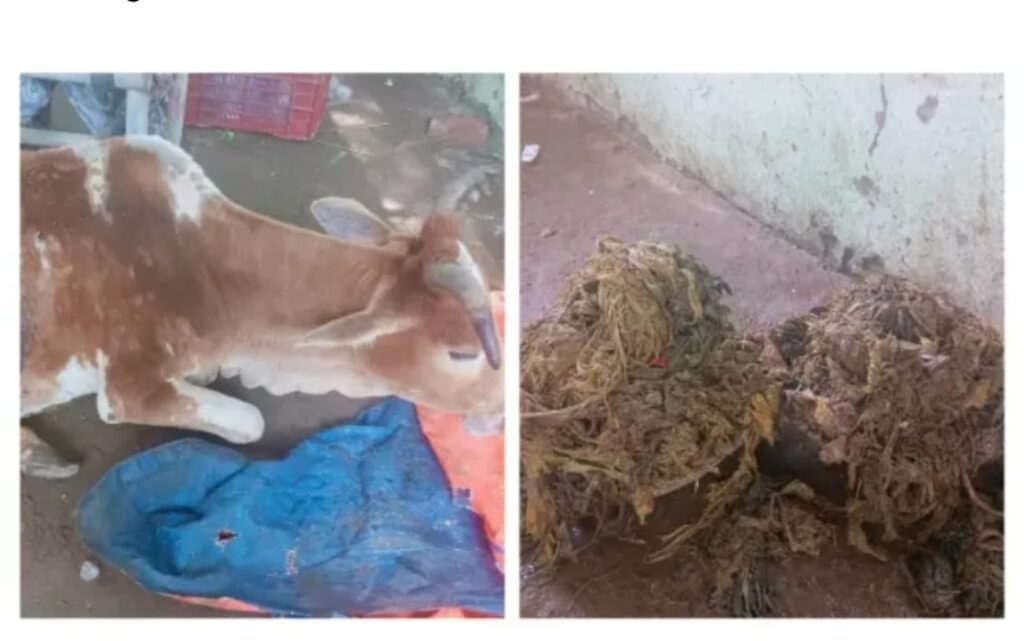
*Scientific Strategies for Preventing Plastic Pollution: The “3R’s” Principle and Eco-Friendly Alternatives*
To overcome the plastic crisis, mere regulations are insufficient; there is an imperative need to comprehensively implement the scientifically formulated “3R’s” principle—Reduce, Reuse, and Recycle. “Reduce” (reducing consumption) constitutes the first and most effective step in preventing plastic pollution; by curbing plastic production at its very source, it significantly alleviates the environmental burden. The second element is “Reuse” (repurposing), which minimizes the need for manufacturing new plastic and reduces waste generation by extending the lifespan of existing plastic products. The third element is “Recycle” (processing for reuse), a critical component of waste management; by scientifically classifying different types of plastics (e.g., PET, HDPE) and transforming them into new products, the accumulation of waste in landfills can be effectively prevented. However, alongside these three methods, the adoption of “alternatives” is of paramount importance. Modern science actively encourages the use of naturally biodegradable materials—such as jute and cotton bags, leaf-based plates, and earthen pottery—as eco-friendly substitutes. These alternatives not only reduce our ‘carbon footprint’ but also decompose naturally, enriching the soil with nutrients. In essence, providing a non-toxic and healthy planet for future generations is possible only by assessing the environmental impact of every item we use and by shifting toward natural resources that do not harm biodiversity. Social awareness and scientific waste management constitute the only permanent solution to this issue.
*Policy and Administrative Strategies: Government Responsibility and Organized Measures in Plastic Control*
The plastic crisis can be curbed not merely through individual habits, but through robust administrative and scientific policies. By strictly enforcing plastic ban laws, the flow of single-use plastics can be intercepted right at the production stage. In this context, the policy of ‘Extended Producer Responsibility’ (EPR)—or ‘Producer Responsibility’—stands out as a highly scientific approach; according to this framework, the entity that manufactures a plastic product is held responsible for collecting it once it becomes waste in the hands of the consumer, and for subsequently recycling it. This lays the foundation for a ‘Circular Economy.’ Furthermore, by establishing effective ‘Solid Waste Management Systems’ ranging from the village level to urban areas, waste can be segregated at the source, thereby preventing plastic from ending up in the soil. By making environmental education mandatory starting from the school level, environmental consciousness and a culture of responsible consumption can be fostered among future generations. Such policy-level changes provide the necessary technical and administrative infrastructure to transform plastic waste—viewed not merely as trash—back into valuable resources. A scientific and lasting solution to plastic pollution can be achieved not through legislation alone, but only when the government, the private sector, and civil society work together in coordination.
*Civic Participation in Environmental Responsibility: Personal Habits and Social Impact*
The role of citizens in environmental conservation is akin to a form of organized ‘environmental stewardship.’ From a scientific perspective, refraining from indiscriminate waste disposal is not merely a matter of hygiene; it serves as a fundamental protective shield, preventing plastic waste from breaking down into microplastics and infiltrating our soil and water resources. At an individual level, voluntarily reducing plastic consumption can effectively influence the ‘demand-supply’ cycle; when consumer demand declines, manufacturers are compelled to pivot toward environmentally friendly alternatives. By participating in local cleanup initiatives, we not only help eliminate pollution but also foster within the community the habit of scientifically segregating waste at the source (source segregation). Raising awareness among others constitutes a form of ‘knowledge transfer’; this process cultivates environmental consciousness within society and lays the foundation for collective, responsible behavior. Since ecosystems are a shared asset belonging to us all, it is only through individual changes in personal habits that we can achieve the monumental scientific objective of safeguarding the Earth from plastic pollution. Your small change can become a giant leap toward preserving the overall ecological balance.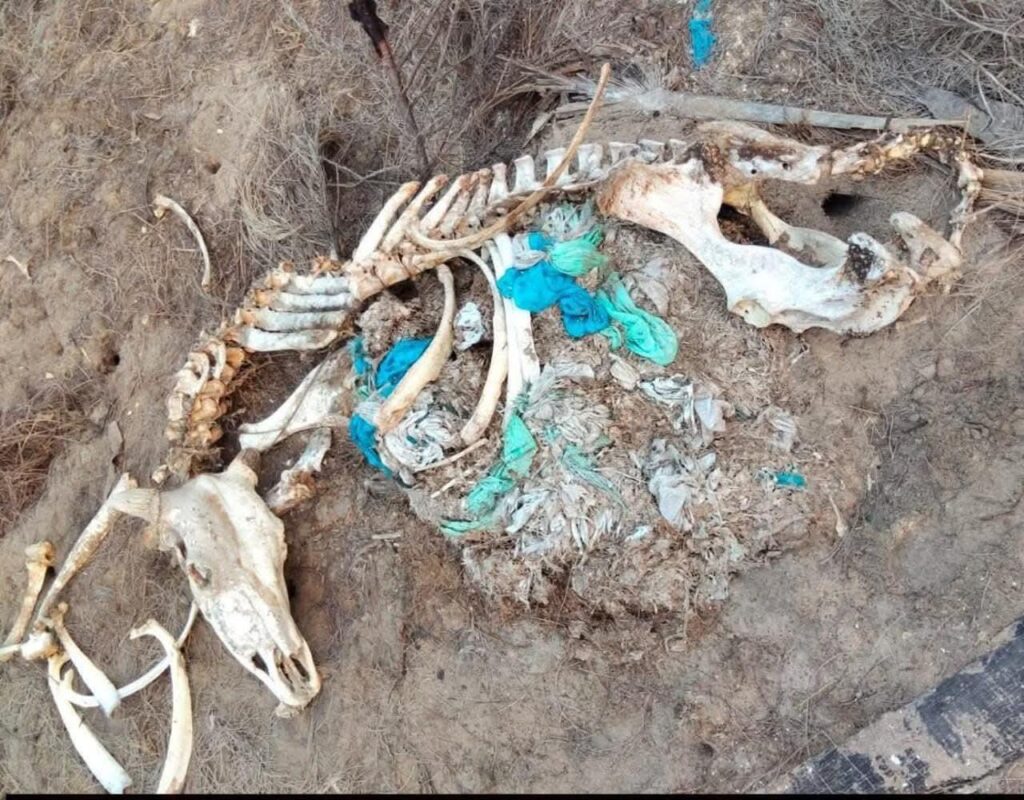
*Ecological Restoration: A Change Essential for Survival*
The sight of that animal, reduced to a mere skeleton on the Antarvedi coast, stands as the culmination of the failure of our current environmental policies and serves as scientific evidence of human negligence. From an ecological perspective, if we assess the impact that this ‘plastic death-trap’—of our own making—is exerting not merely on a single animal but on the entire ‘biosphere,’ we find ourselves at a critically dangerous juncture. The adage, “Life dissolves, but plastic does not,” starkly highlights the inherent contradiction between biological decomposition (biodegradation) and the persistent, semi-permanent nature of plastic. The most pressing question facing us today is: What kind of Earth are we bequeathing to future generations? For at this critical juncture—where microplastics are becoming an integral part of the food chain—protecting nature is no longer merely a social responsibility; it has become a scientifically imperative measure for our very survival within the grand continuum of biological evolution. Only by adopting effective waste management strategies, fostering resource renewability, and embracing an eco-friendly lifestyle can we accelerate the vital process of ecological restoration. Therefore, reducing the use of plastic constitutes the first and most crucial scientific step we can take toward environmental conservation. Now is the opportune moment to safeguard our Earth, its biodiversity, and ultimately, our very existence—for it is only by awakening to the reality of these critical times that harmonious coexistence with nature becomes possible.
*– Ravibabu Pittala, Former Assistant Professor, JNTUH; Joint Secretary, Orugallu Wildlife Society.* *Cell: +91 9849425271*