Destruction of Forest Habitats — Threat to the Future of Wildlife

*Destruction of Forest Habitats — Threat to the Future of Wildlife*
*— Forest habitats are the source of wildlife conservation — If habitats are destroyed, biodiversity is destroyed*
*— If forest habitats are destroyed, animal conservation is not possible — A scientific analysis*
*— Author: Pittala Ravi Babu, Environmentalist.*
*Destruction of forest habitats — Irreversible loss to wildlife*
Forests, forest wealth and wildlife are the foundations of biodiversity on earth. They play a key role in maintaining ecological balance. But today these habitats are being destroyed rapidly. The situation where we could not even provide a habitat for a big tiger that came to the Eturunagaram corridor in Telangana in the past is a sign of our plight. It got caught in the traps of poachers and died within a few days. This is not just an incident; this is a question that all of us should ask ourselves. We all have failed in killing the tiger and not protecting it. Many forest animals are dying every day. It is an inhumane act to go into its habitat, enter its house and kill it. We do not call them “beasts”; we are the real “human beasts”. If a tiger kills a human, it is described as a “man eater” or a “tiger that has boiled human blood”. But this makes it clear that human life is not worth the life of animals. The failure to protect tigers and develop their habitat is a matter that we should take seriously. It is time and a necessity to think from that perspective and find answers. We must recognize: if forests are destroyed, animals cannot survive. If there are no animals, forest ecosystems will collapse. If forest ecosystems collapse, human survival will be in danger. So this is not just a problem for animals; it is a problem for our existence. We need to wake up now. Take action now. Otherwise, in the future, when our children ask, “What is a tiger and what does it look like?”, we will have the misfortune of having to say, “It used to be.” Do we want this? The decision is ours.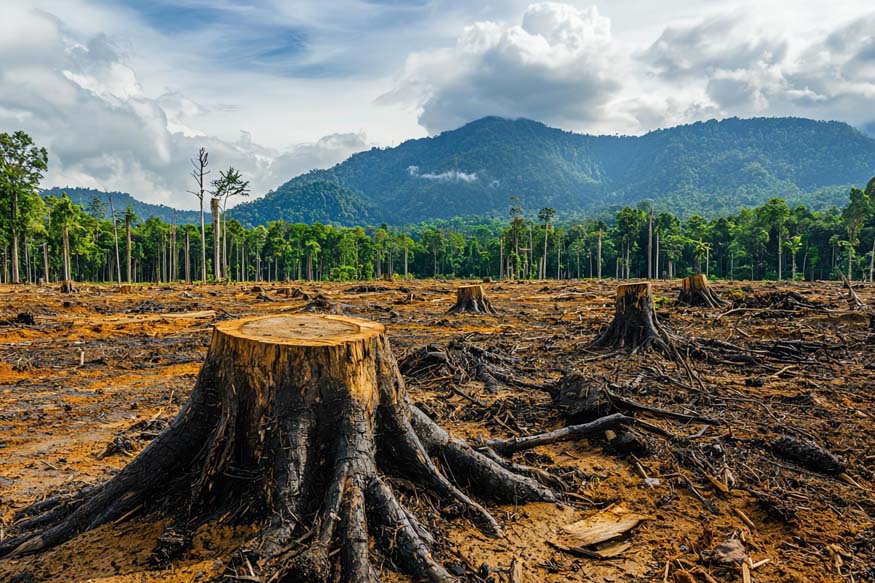
*Root causes of human-animal conflicts: Human selfishness*
Don’t we know why human-animal conflicts are happening? Isn’t the reason us? Isn’t it human selfishness? Aren’t all of us in this system responsible for this? It is because of the selfish dominance of humans that forest habitats, wild animals, and animals are becoming extinct, extinct, and disappearing. Human selfishness has reached an extreme level and forests are being burned and burned. Places are being occupied in many forms. Forest habitats are being occupied under the guise of “development”. Animals are being deprived of shade and habitat. Scientific research shows that 70-80% of biodiversity loss worldwide is due to human settlements, agriculture, mining and deforestation for development projects. This trend is also visible in Telangana. As forests are being destroyed, animals are coming into human habitats. This is leading to conflicts. For example, in Adilabad, Bhadradri and Mancherial districts, tigers and elephants are coming into villages. This is leading to human-animal conflicts. But the real question is: why are animals coming into villages? Isn’t it because we are snatching their habitats! We are invading forests, destroying their habitats and pushing them out. Then we complain that “animals are attacking humans”. Is this fair? Is this reasonable? We have to ask ourselves. Because of our selfishness, our arrogance, our development madness, animals are becoming homeless. They have no other choice and are coming among us. We are killing them. How fair is this? Are we the sole owners of this land? Or do we not have a responsibility to share it with other living beings? We need to find answers to these questions.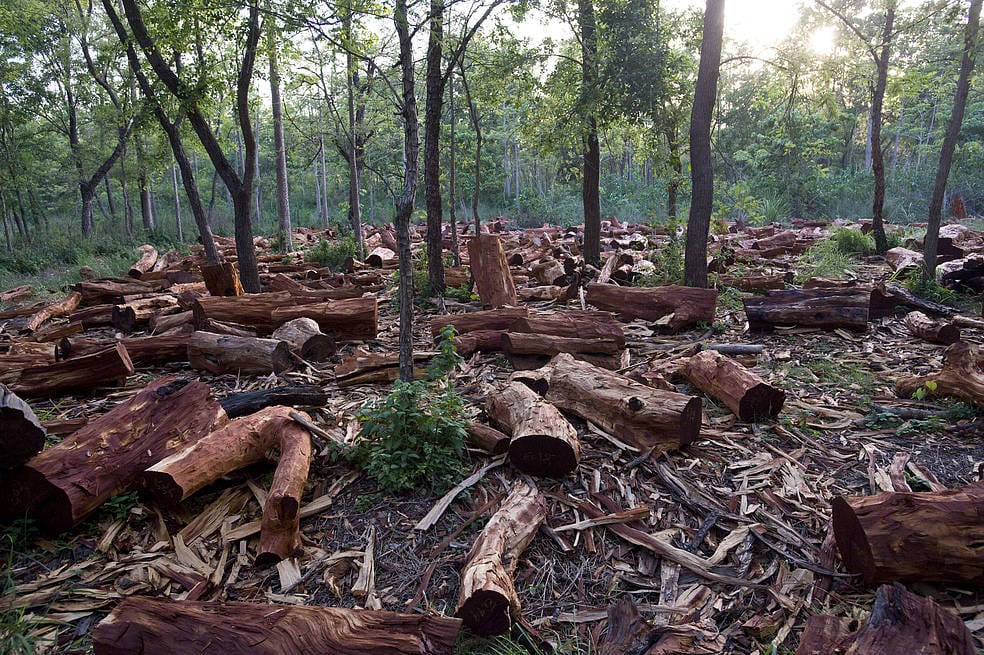
*Who is the master of speechless creatures? Laws vs. It’s Implementation*
There is no one responsible for speechless creatures, no one is the master. Even if they were, it is proving that nothing can be done. Except for those who say that we are taking legal action, we are forgetting our responsibility to move forward and bring about change with a humanitarian perspective. No matter how many forest laws and animal laws are in the Indian Constitution and the world’s constitutions… it is worth noting that they do not reach the verdict, and even if they do, they are defeated. And the officials concerned are complaining that “our biggest problem is to save our jobs.” This is truly a time to put our heads down. India has the Wildlife Protection Act 1972 and the Forest Conservation Act 1980. But their implementation is nil. Cases go on in the courts for years. The accused are acquitted. Officials escape in the name of transfers. This is a systemic failure. For example, the maximum sentence for a person who kills a tiger is 7 years in prison. But in reality, no one gets 7 years. They get out on bail. Then they do the same thing again. This is the weakness of the law. The officers are not trained, they are not resourced. They are not staffed. There are political pressures. As a result, the laws are limited to papers. If we want to give a voice to the voiceless creatures, we have to come forward. We have to be their voice. We have to be their protectors. Otherwise, in the future, when our children ask, “What is a leopard?”, we will have to say, “It used to be there.” Do we want this? The decision is ours.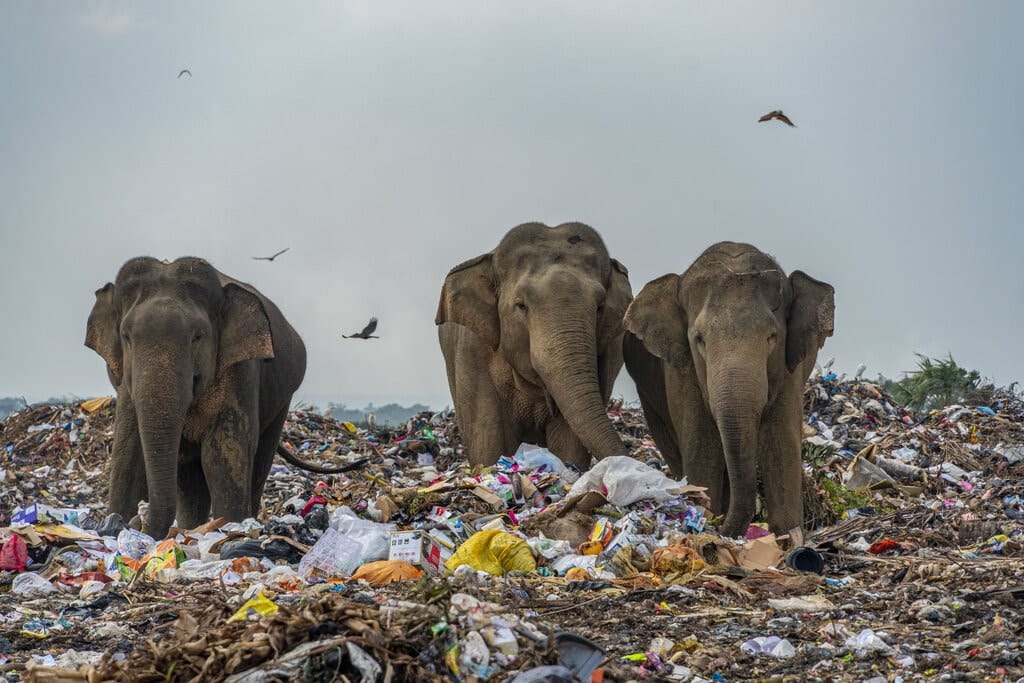
*Deliberate Fires: A Conspiracy to Destroy Forests*
With the deliberate selfishness of occupying forests, some selfish people, instead of directly cutting down, indirectly set fire to the forests, destroying the forests and killing animals, trees, and other living things, mercilessly watching as they burn and become embers in the flames, and then occupy the land. The reason for all this is not human, there is no human involvement, and the authorities concerned are describing it as “natural fire” to avoid it. This is the real reason for the destruction of forests not only in this country, but all over the world. Scientific studies show that 90% of the fires that occur worldwide are caused by human intervention. Only 10% are caused by natural causes (fireflies, lightning storms). But the authorities are getting away with saying “natural fire”. How right is this? We must recognize: Setting fire to forests is murder. It is animal murder. This is a tree murder. This is environmental murder. This is the murder of future generations. We are witnessing this murder. We must stop this murder. We must punish those responsible for this murder. Otherwise, in the future, when our children ask us, “What is a forest?”, we will have to say, “It used to be.” Do we want this? The decision is ours.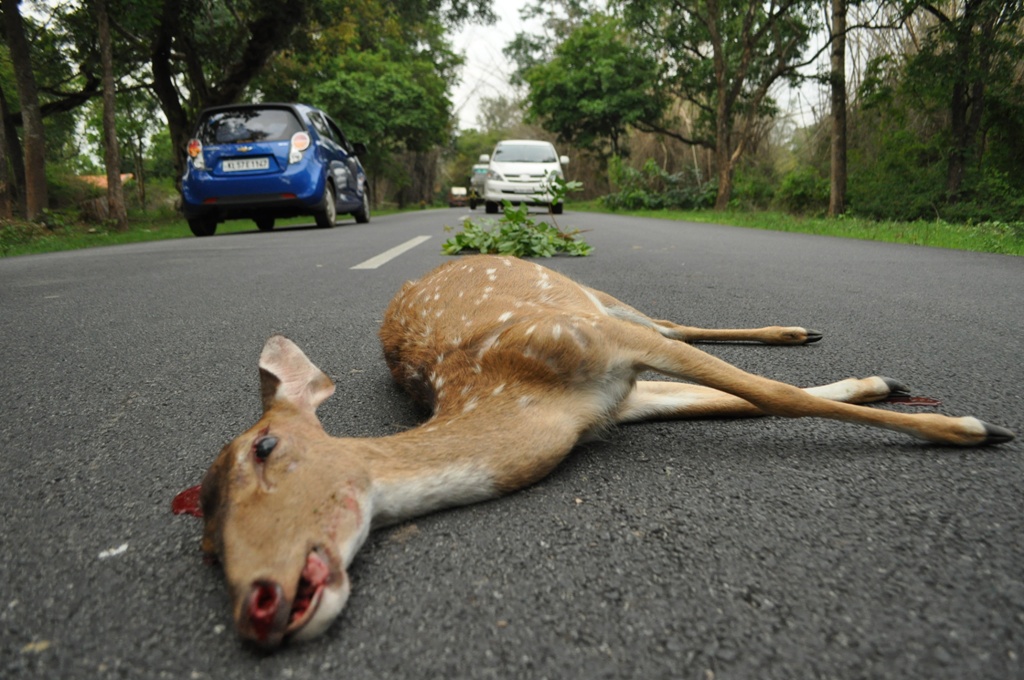
*Worldwide fires: The truth about the statistics*
We have seen many examples in recent years. Last year, 4.8 million acres of the Amazon rainforest were burned. 20 percent of the entire Amazon forest area was destroyed by fire alone. 24 million hectares of the Gaspers Mountain forest in Western Australia was destroyed in the “Black Summer Bushfires,” and 30 million hectares of forests were burned in the jungles of Indonesia. The hills and forests near Koyagudem, Tamsi-B and Tamsi-K in Adilabad district of Telangana state, have been burnt. They have been burnt this year. Similarly, the hills near Shayampet in Warangal have been burnt. If we think about this figure, 420 million hectares of forest have been destroyed in the name of fire worldwide. We cannot help but think that the reason for this is human intervention. Scientific evidence says this. The reasons for the increase in fires worldwide are: (1) Drying forests due to climate change, (2) Expansion of human settlements, (3) Burning forests for agriculture, (4) Mining and development projects. All these are human activities. Natural causes are very few. But the authorities are getting away with saying “natural fire”. How far is this right? We must recognize: Setting fire to forests is murder. It is animal murder. It is a tree murder. It is an environmental murder. It is murder of future generations. We are witnessing these murders. We must stop these murders. We must punish those responsible for these murders. Otherwise, in the future, when our children ask, “What is a forest?”, we will have the misfortune of having to say, “It once was.” Do we want this? It is up to us to decide.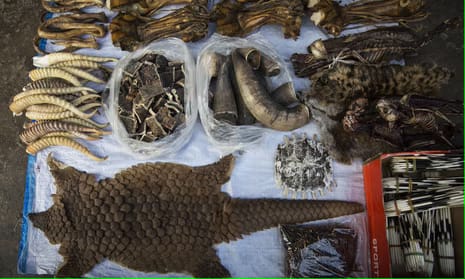
*Love and compassion for animals disappearing: Human arrogance*
The feeling of love for animals is disappearing. They are living beings like us! They have the right to live equally with us! In addition to not being able to recognize that, “We are intelligent beings on this earth, and no other living beings will have the chance to live independently unless we give them a chance.” Is this reasonable? The civilized society should really take action. Because we do not have the answer to this. The reason is that we are responsible. Here “we” means… animal lovers, environmental lovers, voluntary organizations, animal protectors, governments, environmental and forest laws, courts, relevant departments, forest wealth protectors, relevant statistical departments, electronic, print and social media. We, who use wild life in various ways to make forest wealth useful for our own selfish purposes, are every human being in this ecosystem. Scientifically, there are 8 million species on Earth. Of these, 1 million are endangered. Humans are the main reason for this. We must realize: We are not the sole owners of this earth. We have to share it with other living beings. We have to respect their rights. We have to protect their habitats. We have to protect their lives. Article 48A and Article 51, A/(g) of the Constitution of India have asked us to have kindness, compassion and mercy towards forest animals, which should be our fundamental duty. Otherwise, in the future, when our children ask, “What is a tiger?”, we will have to say, “It used to be there.” Do we want this? The decision is ours.
*Systemic Failure: Officials, Courts, and Political Pressure*
If a child goes astray, the fault lies with the parents, teachers, and school management, not the child. Similarly, I do not believe the Gutti Koya people—who set the traps that caused the deaths—are solely to blame. I maintain that the fault also lies with officials who fail to monitor the forest ecosystem, and with courts that—following an incident—fail to apply the appropriate legal sections or laws and do not impose suitable punishments. These officials act under pressure from politicians. Some even stand by and watch the wrongdoing unfold, effectively abetting it; this is a reprehensible practice. While they may make daily appearances claiming “we are here” in response to specific incidents, they lack the genuine intent to conduct proper monitoring. Such incidents occur precisely because of this. Scientific studies indicate that monitoring is inadequate due to a lack of proper training, resources, and personnel among forest officials. For instance, a single forest official might be required to oversee 1,000 square kilometers of forest, yet they are provided with only one jeep and two staff members. Is this feasible? It is impossible. Consequently, poachers and illicit operators are destroying the forests. Officials remain passive spectators, while politicians exert pressure. Courts are not imposing adequate punishments. Consequently, crimes are on the rise; animals are dying, and forests are being destroyed. Is this right? We must recognize the need to provide officials with resources and training, increase staffing, and reduce political pressure. Courts must impose severe penalties. Otherwise, if our children ask in the future, “What is a forest?”, we will be forced to reply, “It used to exist once.” Is this the future we want? The choice is ours.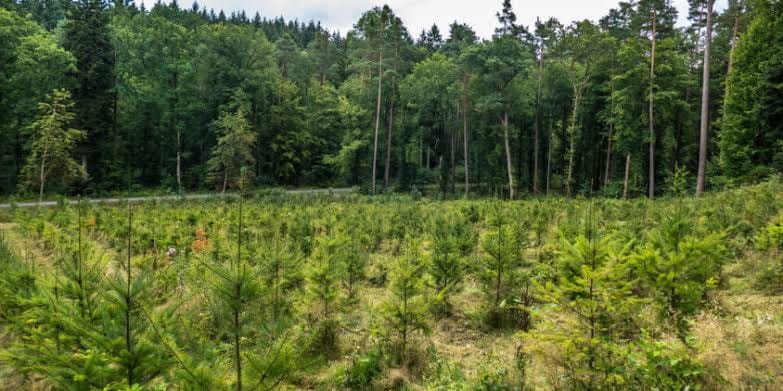
*Solutions: Training, Employment, and Strict Action*
We must educate forest-dwelling communities—providing them with proper training on forest ecosystems, raising awareness about the environment, forest laws, and penalties—while also ensuring they have adequate employment opportunities. Only then can we prevent such incidents from recurring and ensure that offenders face appropriate punishment. If we remain passive spectators, no wildlife will survive on this earth. Therefore, I urge that strict action be taken against those responsible for this incident to ensure they are punished. I also call for strict measures against officials who were negligent in their duties regarding wildlife protection. From a scientific perspective, successful forest conservation rests on three pillars: (1) the participation of local communities, (2) strict law enforcement, and (3) scientific monitoring systems. Conservation is impossible without these three elements. For instance, in Karnataka’s Nagarahole National Park, local communities were made partners in forest conservation; they were provided with employment and training. As a result, the tiger population increased, and the forests were preserved. This is a successful model. A similar model should be implemented in Telangana as well—local people must be made partners, provided with employment, and given training. Only then can our forests and wildlife be protected. Otherwise, we face a future where, if our children ask, “What is a tiger?”, we might be forced to reply, “It used to exist once.” Is this the future we want? The choice is ours.
*Call to Action: Let us join hands to protect the environment.*
I humbly appeal to everyone—let us protect the environment around us, join hands, strive to protect wildlife, and work towards environmental well-being to safeguard our ecosystem. Otherwise, human survival itself is at risk. Scientific research warns that if forests continue to be destroyed at the current rate, 50% of the world’s species will go extinct by 2050. This is not merely an issue concerning animals; it is a matter of human survival. Without forests, there would be no oxygen, no water cycle, and no climatic stability. We are destroying our own future. We must wake up now and take action immediately. Here is what we can do: (1) Report those who set fire to forests to the police. (2) Identify poachers and inform the authorities. (3) Reduce plastic usage. (4) Plant trees. (5) Raise awareness about animal rights. (6) Teach environmental education in schools. (7) Collaborate with voluntary organizations. (8) Pressure governments to enact stricter laws. We can do all of this; indeed, we must. Only by taking action can we bequeath a better world to future generations. Otherwise, we risk a future where, if our children ask, “What is a tiger?”, we will be forced to reply, “It used to exist once.” Is this the future we want? The choice is ours.
*Our responsibility for a sustainable future for ecosystems*
Animal conservation is not possible if forest habitats are destroyed. This is a scientific fact. We must recognize: forests, animals, and humans are part of the same ecosystem. The destruction of one leads to the destruction of the other. We are not the inheritors of this earth; we have borrowed from it. We must protect this ecosystem for future generations. We must all come together for this. Governments, authorities, NGOs, schools, media, people — we must all work together. Otherwise, in the future, when our children ask, “What is a tiger?”, we will have to say, “It once existed.” Do we want this? The decision is ours. We must wake up now. We must act now. Only if we do, can we provide a better world for future generations. If we do not, we will go down in history. History will remember us as animal killers, forest destroyers, and enemies of the environment. Do we want this? The decision is ours. Let us choose a better path. Let us be the protectors of animals. Let us be the guardians of forests. Let us be the guardians of the environment. Let us give a better world to future generations. This is our responsibility. This is our duty. This is our humanity.
*— Pittala Ravi Babu*
*Environmentalist, Former Assistant Professor, JNTUH, Hyderabad* *and Joint Secretary, Orugallu Wildlife Society NGO, Telangana* *Cell:* +91 98494 25271.