International Day of Plant Health – Protecting Plants is Our Current Imperative*
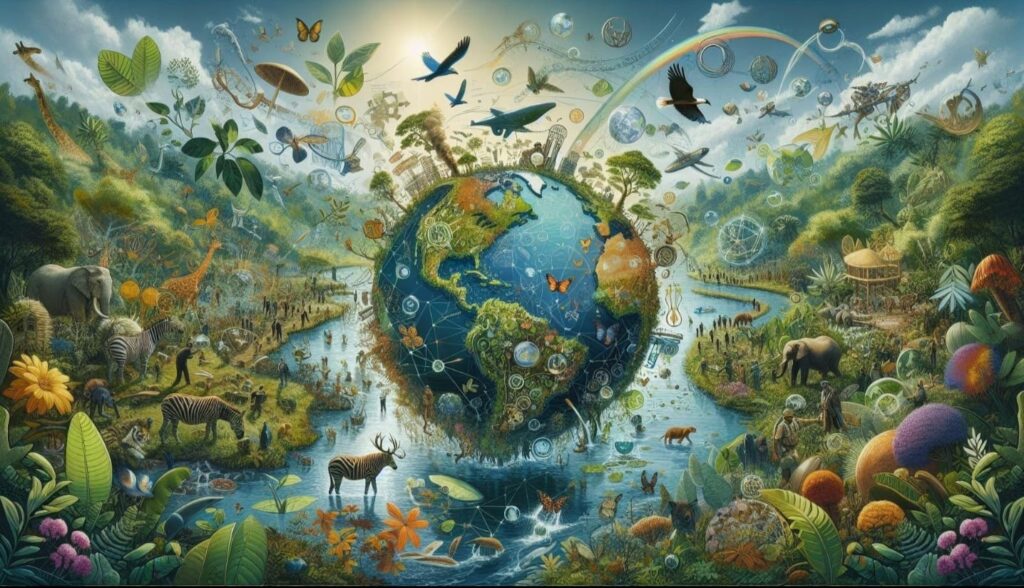
*International Day of Plant Health – Protecting Plants is Our Current Imperative*
*– Plants are the Foundation of the Ecosystem.*
*– Human Activities are the Root Cause of Plant Ill-Health.*
*– An Analysis of Plant Health from a Scientific Perspective.*
*– Theme: 2026– “Protecting Plants, Protecting Life,”*
*– Article Author: Ravi Babu Pittala, Environmentalist.*
*International Day of Plant Health 2026:*
Plants serve as the lungs and the very lifeline of our planet. We derive 98% of the oxygen we breathe and 80% of the food we consume directly from plants. With the aim of reducing hunger, eradicating poverty, safeguarding biodiversity, and fostering economic development—all by protecting the health of these vital plants—the United Nations observes May 12th each year as the International Day of Plant Health (IDPH). In 2026, under the central theme *”Protecting Plants, Protecting Life,”* this day is being observed to raise global awareness regarding the need to safeguard plants against pests and diseases. The primary objectives of the 2026 International Day of Plant Health focus on food security—specifically, addressing the fact that global food security is compromised annually by the loss of 40% of food crops due to plant pests, and working to mitigate these losses. Furthermore, as an integral part of environmental conservation, the day aims to protect nature and biodiversity from the impacts of climate change. A nation’s economic development is advanced by mitigating the losses—exceeding $220 billion—caused by plant diseases within its borders, thereby ensuring the sustainability of its agriculture. Prioritizing plant health is, in essence, safeguarding our own future.

*Earth in the Infinite Universe – The Sole Home Sustaining Life:*
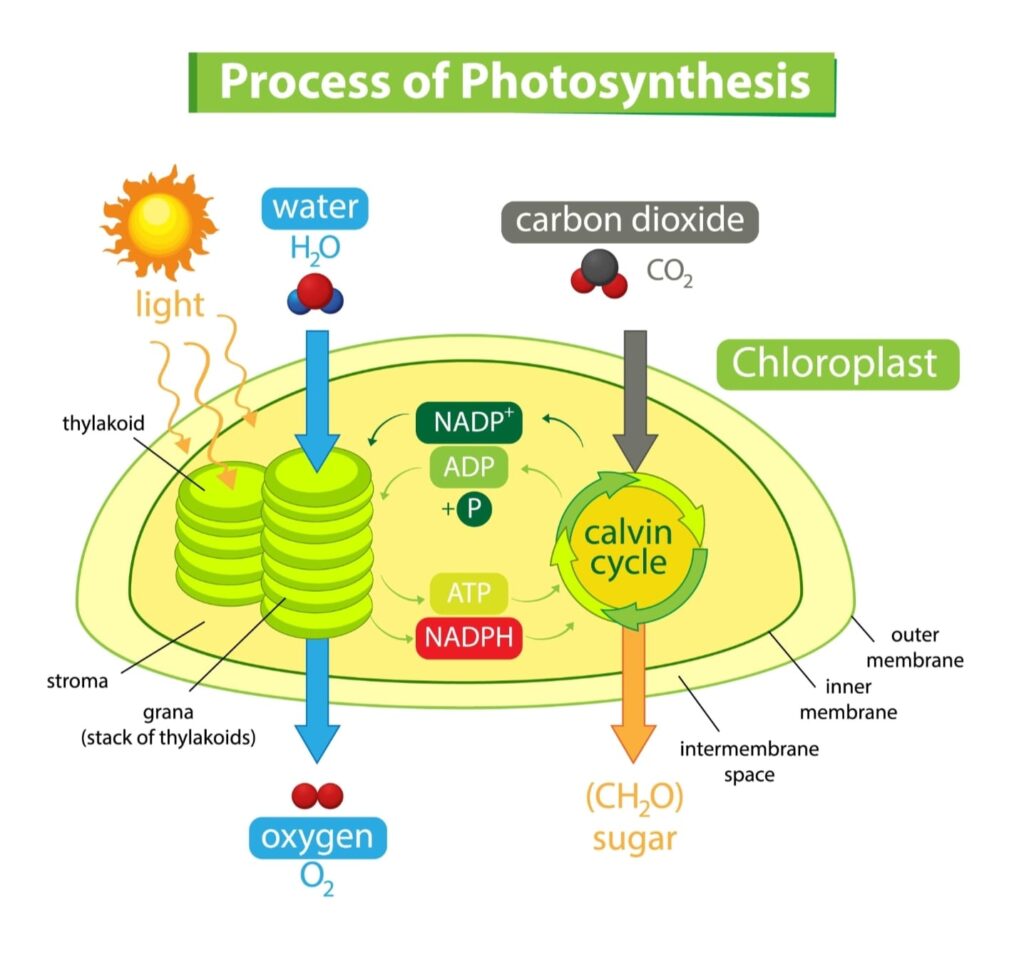
Behind the fact that Earth remains the only planet in the infinite universe where life flourishes lies a remarkable scientific equilibrium. While the Sun serves as the primary energy source for our planet, only plants possess the unique ability to harness this sunlight and transform it—through the process of photosynthesis—into both food and the oxygen essential for life.
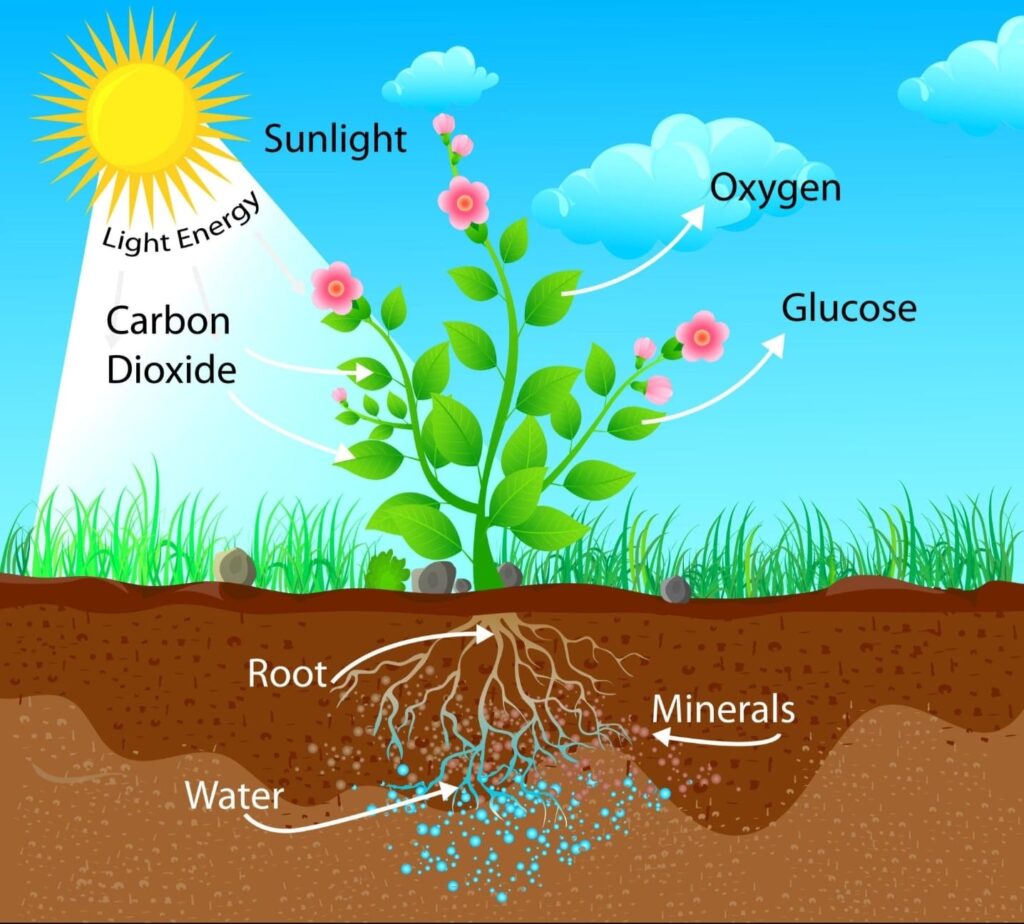
Utilizing carbon dioxide and water, plants produce glucose while simultaneously releasing the oxygen indispensable to all living organisms. In this process, plants act as “primary producers,” serving as the very foundation of every food chain; this means that everything—from the plant-based foods we consume directly to the meat we obtain indirectly—ultimately originates from plants. Were plants to vanish, not only would food production cease, but the entire ecosystem would collapse due to rising atmospheric carbon dioxide levels (leading to global warming) and a critical shortage of oxygen. Sunlight, plants, food, and oxygen are the interconnected principles that sustain life. Therefore, if life is to endure on Earth and if future generations are to inherit a safe environment, protecting plants is a fundamental responsibility for all of us; for survival on an Earth without plants is impossible.
*Plant Health – A Cornerstone of the Ecosystem:*
In an ecosystem, plants play a pivotal role as primary producers. Through photosynthesis, they utilize sunlight to convert carbon dioxide and water into glucose, simultaneously releasing oxygen. This process provides food and the oxygen necessary for respiration to all living organisms on Earth. Consequently, ecological balance can be sustained only if plants remain healthy. They play a significant role in nutrition and food security; plants serve as the primary food source for humans as well as all animals. An abundant supply of nutritious foods—such as grains, vegetables, and fruits—is available only when crop health is robust. If plants fall victim to diseases or insect infestations, crop yields decline, thereby jeopardizing food security. Therefore, safeguarding plant health is indispensable for global nutritional well-being. Diseases, pests, and their impacts are profound. Plants are susceptible to various microorganisms (including bacteria, fungi, and viruses) and insect attacks. These factors impair plant growth and compromise photosynthetic efficiency. For instance, diseases such as blast, wilt, and rust can inflict massive losses upon crops. If these issues escalate, food production diminishes, leading to economic losses and ecological imbalances. *Air–Water–Food: The Foundations of Life* 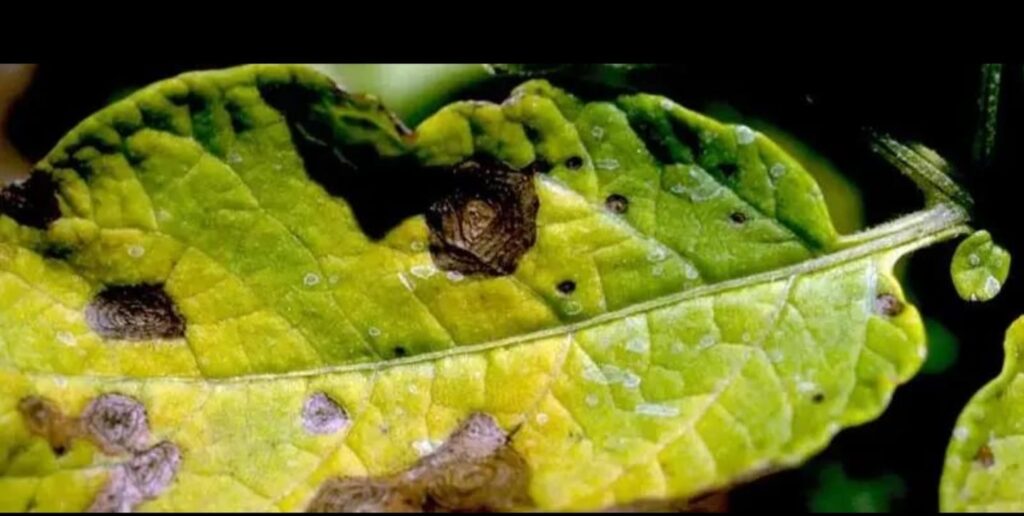
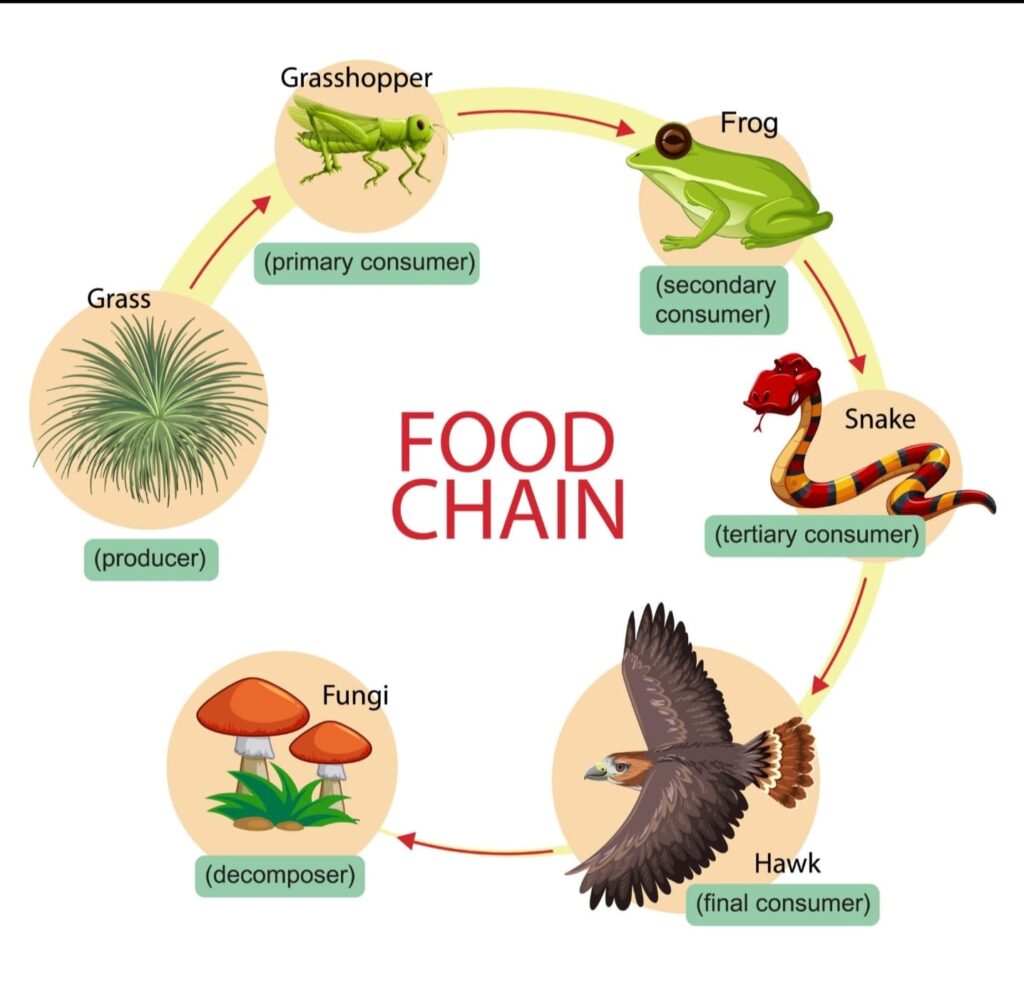
Among the three fundamental elements—air, water, and food—that are absolutely essential for the survival of all living beings, ‘food’ stands as the primary resource providing both energy and growth; and the true foundation of this entire food system lies with plants. Harnessing sunlight—the ultimate source of all life energy on Earth—plants transform carbon dioxide and water into food (glucose) through a remarkable process known as photosynthesis. In the course of this process, while releasing life-sustaining oxygen, plants serve as the “primary producers.”
While the vegetarian food we consume comes directly from plants, non-vegetarian food is derived indirectly from animals that, in turn, depend on plants; in other words, every food chain begins with plants. If this food production—carried out by plants through the harmonious interplay of atmospheric carbon dioxide, water, and sunlight—were to cease, the food chain would collapse, leading to widespread famine, the destruction of biodiversity, and a rise in global temperatures that would ultimately endanger the very existence of life on Earth. In short: without sunlight, there would be no plants; without plants, there would be no food; and without food, there would be no life in this universe. Therefore, conserving plants is not merely about protecting the environment; it is, fundamentally, about safeguarding our own survival.
*Biodiversity and Ecological Balance:*
Healthy plants serve as the primary foundation for sustaining biodiversity. Forests, grasslands, and aquatic habitats are all established upon plants. When plants are healthy, birds, insects, and animals find their natural habitats. This helps maintain the balance of the food chain and the food web. Climate change has a significant impact on plant health. Plants play a pivotal role in mitigating climate change by absorbing carbon through carbon sequestration. However, issues such as pollution, climate change, water scarcity, and soil degradation are compromising plant health. Consequently, ecological stability faces a grave threat in the future. Scientific management and conservation measures are therefore absolutely essential. Scientific methods are required to safeguard plant health. Approaches such as Integrated Pest Management, organic farming, soil health conservation, and efficient water utilization are crucial. Practices such as crop rotation, the use of bio-fertilizers, and the utilization of natural predators enhance plant health.
*Plant Conservation: Our Responsibility for a Sustainable Future:*
It is a scientifically proven truth that all living organisms can remain healthy only if plants remain healthy. Therefore, every individual must undertake measures such as planting trees, protecting the environment, and reducing chemical pollution. The International Day of Plant Health serves to remind us of this responsibility.
Plant health is not merely an agricultural concern; it forms the very foundation for the health of the entire ecosystem. Food security, biodiversity, and climatic balance are all attainable only if plants remain healthy and sustainable. For this reason, everyone must understand and put into practice the concept that “if plants are healthy, life is healthy.”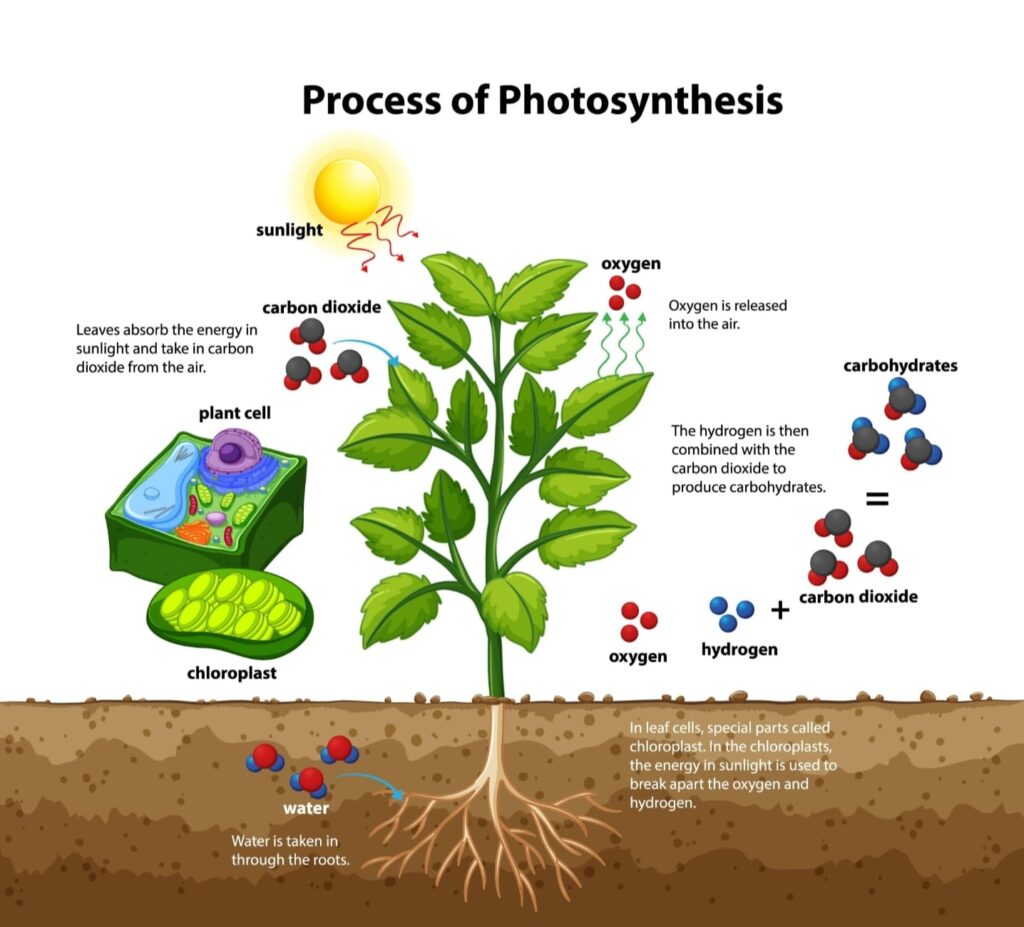
*Global Tree Wealth – Per Capita Availability Analysis:*
An examination of the global distribution of trees in relation to population ratios reveals significant disparities among nations. According to scientific estimates, there are approximately 3 trillion (3,000 billion) trees worldwide; when considering a global population of 8 billion, the global average works out to roughly 375 trees per person. However, this distribution varies depending on a country’s geographical expanse and population size. For instance, Russia leads the world with the highest number—642 billion trees—followed by Canada (318 billion), Brazil (302 billion), and the United States (228 billion). In Canada—a nation characterized by a sparse population and extensive forests—there are approximately 8,000 to 9,000 trees available per person, whereas in Russia, this figure stands between 4,000 and 5,000. In contrast, in India—the world’s most populous nation—despite possessing a total of 35.2 billion trees, demographic pressures mean that each individual has access to only 25 to 30 trees. This figure represents a mere 0.05 hectares per person—significantly lower than the global average of 0.5 hectares per person. While countries like Guyana and Suriname lead the world in per capita forest cover, China, for instance, averages only 100 trees per individual. These statistics serve as a stark warning: to prevent the disruption of ecological balance—particularly in nations like India—it is imperative to increase per capita natural resources and undertake massive-scale tree-planting initiatives. The global distribution of trees is highly uneven; while some nations boast thousands of trees per individual, others possess very few. This disparity poses a formidable challenge to the ecological stability of the future. The future of our planet can be secured only if every individual commits to nurturing at least 10 trees.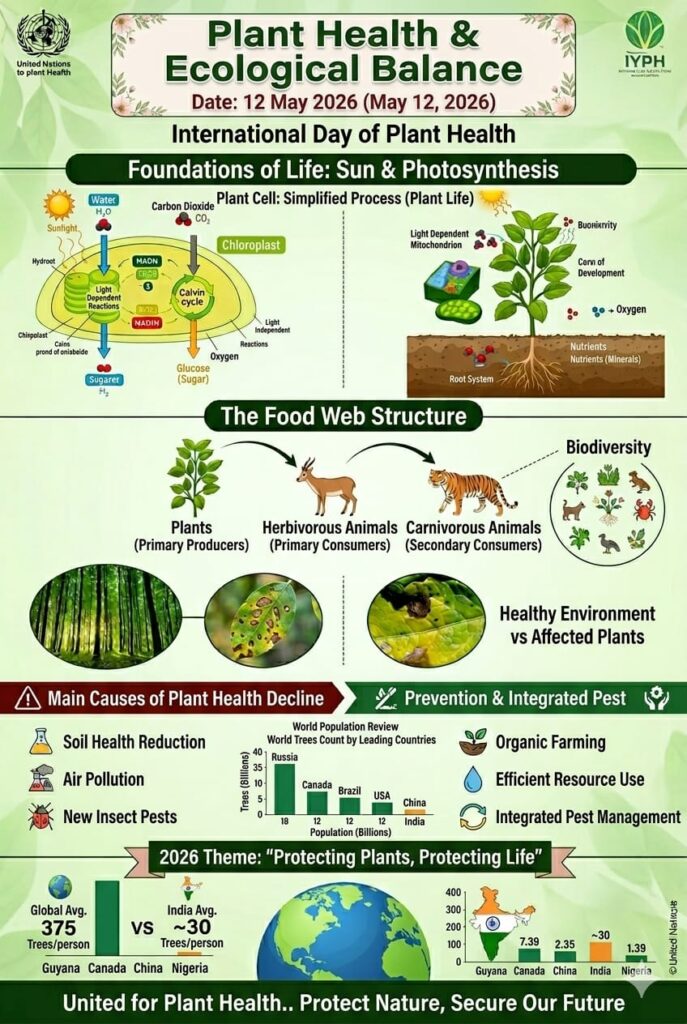
*Human Activities – A Growing Threat to Plant Health:*
Today, largely due to human-induced activities, plant health faces a threat of unprecedented severity—a situation that indirectly endangers the entire biosphere. The excessive use of chemical fertilizers and pesticides in agriculture disrupts the delicate balance of natural microorganisms within the soil, thereby eroding the plants’ innate immunity. Furthermore, driven by globalization and climate change, new strains of viruses, bacteria, and fungi are spreading rapidly, causing plant diseases such as root rot and stunted growth. As the ecological balance is disrupted by deforestation and pollution, the photosynthetic efficiency of plants declines, leading to a drop in crop yields. If this trend persists, it will not only compromise food security and disrupt the food chain but also inflict irreparable damage upon human health and biodiversity. Therefore, only by adopting scientific approaches—such as Integrated Pest Management (IPM), organic farming, and forest conservation—can we safeguard nature and, in turn, ensure our own survival.
*Key Causes of Declining Plant Health on Earth:*
Plant health is the lifeblood for the survival of all living beings.
In exploring various perspectives, it is essential to understand the causes, impacts, and protective measures regarding plant health. Plant health is not merely confined to the growth of forests or crops; it is absolutely critical for the survival of every living organism on this planet. Only when plants are healthy can vital biological processes—such as photosynthesis and nutrient cycling—occur efficiently, thereby providing the environment with oxygen and food. However, plant health is being severely compromised by both biotic factors (biological agents like bacteria, viruses, and insects) and abiotic factors (non-biological elements such as climate change, pollution, and soil degradation). This manifests in symptoms such as yellowing of leaves and stunted growth, which subsequently lead to reduced crop yields and jeopardize food security. If plant health declines, the foundational level of the food chain is disrupted; this not only results in a loss of biodiversity but also leads to unchecked carbon accumulation and an escalation in global warming. To safeguard plant health, the adoption of scientific cultivation methods, the use of organic fertilizers, and efficient resource management are absolutely indispensable. Practices such as Integrated Pest Management (IPM) and crop rotation play a vital role in bolstering the immune systems of plants. If plant health deteriorates, it directly reduces crop yields and jeopardizes food security, thereby exerting an adverse impact on human health. Furthermore, severe environmental issues arise, such as disruptions to the food chain, a decline in biodiversity, and a diminished capacity for carbon sequestration, leading to an increase in greenhouse gases. Ultimately, this leads to desertification and rising temperatures, causing ecological imbalances; therefore, plant conservation is not merely an agricultural concern but an indispensable imperative for the very survival of the Earth. It is only when plants remain healthy that food, oxygen, biodiversity, and climatic equilibrium can be preserved.
*Our Future Lies in the Hands of Plants:*
On the occasion of the International Day of Plant Health, the concluding message—underscoring that plants are the very lifeline for the survival of all living beings on Earth—is this: “Our future lies in the hands of plants.” The International Day of Plant Health is not merely a celebration; it serves as a warning from nature regarding the survival of every living organism on the planet. The principle—”Plant Health = Earth Health = Human Health”—is a fundamental truth that the current generation must fully grasp. As scientific analyses reveal, in densely populated nations such as India, the number of trees per capita is alarmingly lower than the global average. If this deficit is not addressed, the future of food security, as well as the availability of clean air and water, will become a matter of grave uncertainty. It is our immediate duty to protect plants from pollution caused by human activities, the indiscriminate use of chemicals, and the impacts of climate change. To ensure a sustainable and secure tomorrow, every individual must take the responsibility to plant at least ten saplings and nurture them. Only by living in harmony with nature, promoting scientific cultivation methods, and conserving our forests can this ‘Blue Planet’—our sole home in the vast universe—continue to flourish with lush greenery. With best wishes on the International Day of Plant Health… let us move forward with the firm resolve that protecting plants is our paramount duty today.
*”If we protect nature… that very greenery will protect us and our future generations.”*
*– Ravi Babu Pittala, Environmentalist, Former Assistant Professor, JNTUH, Hyderabad. Cell: +91 9849425271.*