Hussain Sagar Pollution — The Result of Government and Administrative Negligence
*Hussain Sagar Pollution — The Result of Government and Administrative Negligence*
*— A Comprehensive Analysis: Public Health Risks, Misuse of Public Funds, and Impacts on Ecological Balance Caused by Unscientific Methods.*
*— Hussain Sagar: Unscientific Policies — A Catastrophic Impact on Health, Economy, and the Environment.*
*— A Once-Pristine Freshwater Lake Vanishing Right Before Our Eyes.*
*— Author: RAVI BABU PITTALA, Environmentalist.*
*Hussain Sagar and the Politics of Diversion – Is Public Money Being Poured Down the Drain?*
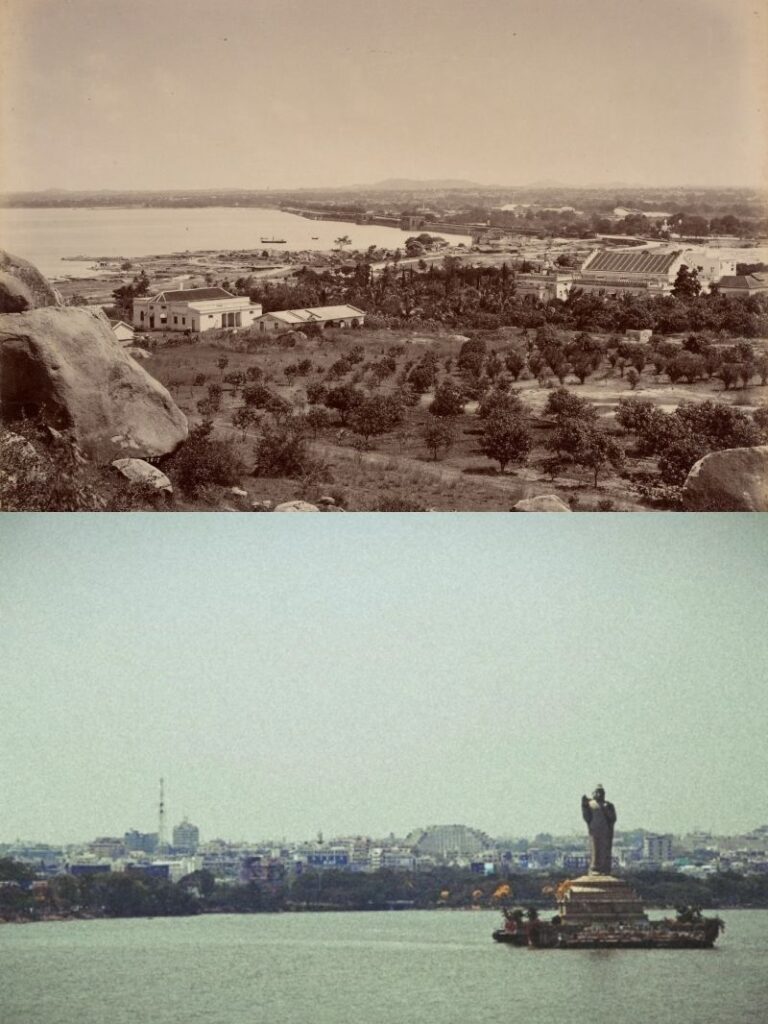
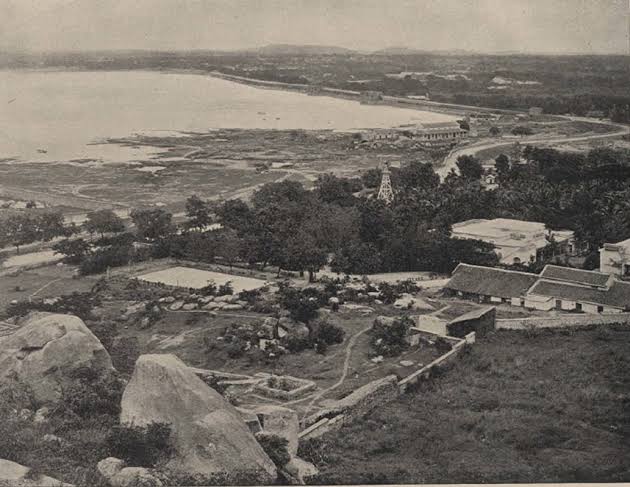
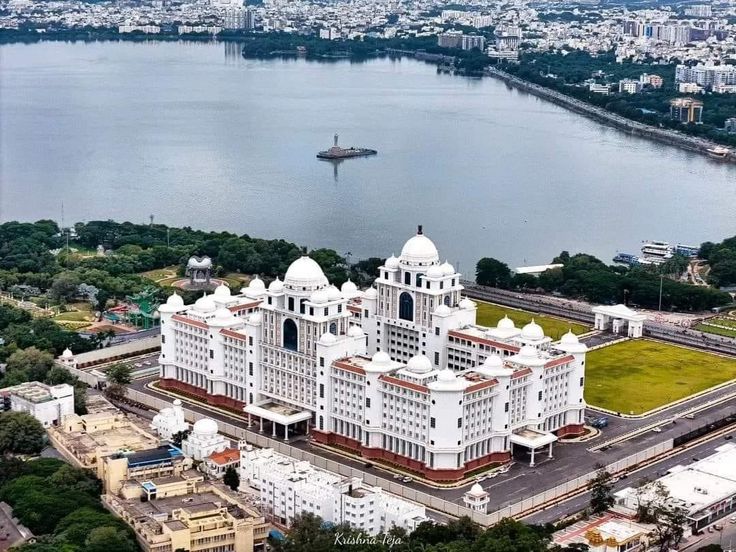
Located in the very heart of Hyderabad, Hussain Sagar was once a magnificent reservoir that fulfilled the city’s drinking water needs. It served as both a source of potable water and a major tourist attraction. Today, however, it has become a symbol of the city’s pollution. It has turned into a receptacle for “grey water” flowing in from Kukatpally and toxic “black water” from Jeedimetla. The confluence of domestic sewage and chemical waste discharged by industries has pushed the lake into a state of grave peril. Despite decades of changing administrations and the expenditure of thousands of crores of rupees, the condition of the lake remains unchanged. The root causes behind this dire situation are administrative failures, a greed for commissions, and the sheer wastage of public funds. This issue is not merely an environmental concern; it raises profound questions regarding governance, accountability, and the utilization of public resources.
*The Hunt for Profits Amidst the Clutches of Sewage Pollution:*
Under the guise of “cleaning up” Hussain Sagar, various governments have, to date, spent hundreds of crores of rupees. Although records indicate the construction of interceptor drains and diversion pipelines, in reality, effluent continues to flow into the lake through the drainage channels. Rather than enhancing the capacity of Sewage Treatment Plants (STPs)—which offer a permanent solution—authorities consistently opt for temporary measures, such as repetitive excavation and pipeline alterations. A scientific analysis of the failures within the Hussain Sagar rejuvenation projects reveals that this situation is not merely a result of a lack of funds; rather, it constitutes “systemic environmental destruction” stemming from misplaced priorities and failures in technical management. From a scientific perspective, for a lake to be effectively restored, the ‘organic load’ (Biological Oxygen Demand—BOD) and ‘chemical load’ (Chemical Oxygen Demand—COD) flowing into it must be brought under complete control.
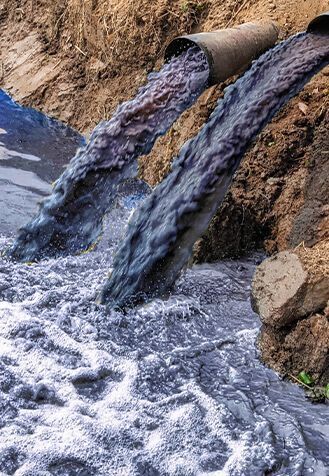
The ₹50-crore diversion project undertaken by the government has remained confined to mere cosmetic fixes, failing to permanently stem the flow of the toxic mixture of ‘grey water’ and ‘black water’ entering the lake through the drainage channels. Data indicates that due to the failure to segregate the city’s storm water drains from its sewage lines, the diversion systems malfunction during the monsoon season, resulting in the accumulation of tons of sediment at the bottom of the lake. As a result, the process of ‘eutrophication’ in the lake has accelerated, causing oxygen levels to plummet and leading to the death of aquatic life. Instead of constructing high-capacity STPs on a permanent basis—and treating industrial effluents at the source through CETPs—the decision to limit interventions to mere temporary excavations and pipeline diversions clearly reveals underlying financial motives. Consequently, not only has the lake’s natural ‘self-purification’ capacity been compromised, but public tax money—intended for environmental restoration—is instead finding its way into the pockets of contractors and, in the form of commissions, into the hands of those operating under political patronage; this has become a severe blow to the city’s ecological balance. It is an open secret that the interests of contractors and the pursuit of commissions by politicians lie behind this situation.
*Kukatpally and Jeedimetla: The Royal Road to Sagar’s Pollution*
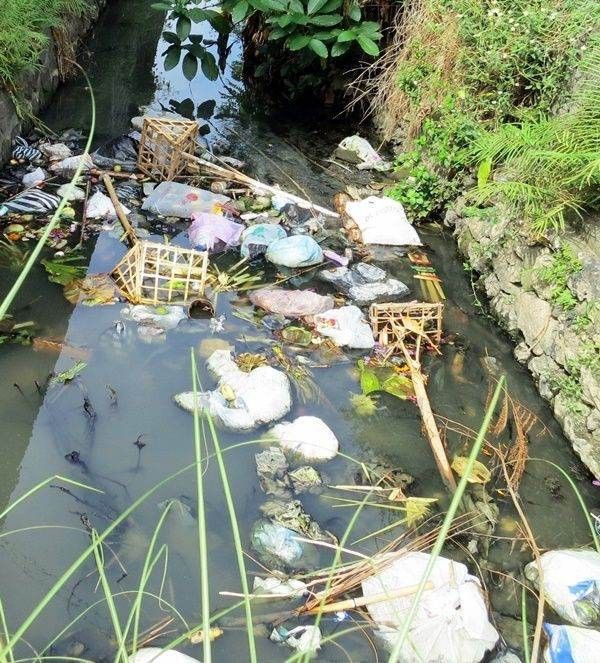
Domestic wastewater (grey water) and chemical effluents from industries (black water) have combined to transform Hussain Sagar into a toxic cesspool. Domestic Sewage (Grey Water): The wastewater flowing from the Kukatpally area is heavily laden with detergents, phosphates, and organic waste. When these substances enter the lake, they elevate nutrient levels in the water, leading to excessive algal blooms. Industrial Effluents (Black Water): The discharge from industries in Jeedimetla contains toxic chemicals and heavy metals. These substances adversely affect not only the water but also the soil and aquatic life over the long term. Through blatant disregard for regulations, heavy metals originating from industrial zones like Jeedimetla are flowing directly into the lake. The regulations set forth by the Pollution Control Board have effectively remained confined to paper alone. The relentless stream of waste emanating from the industrial hubs of Kukatpally and Jeedimetla has become a death knell for Hussain Sagar—a crisis that highlights not merely an environmental failure, but a glaring lapse in oversight by the government machinery. While phosphates and detergents present in domestic wastewater (grey water) contribute to the proliferation of water hyacinths and algae in the lake, heavy metals—such as chromium, lead, mercury, arsenic, and antimony—contained in highly hazardous industrial effluents (black water) flowing from areas like Jeedimetla are poisoning the very core of the lake. Due to the failure to implement Pollution Control Board (PCB) regulations at the ground level, industries have abdicated their responsibilities and are discharging toxic waste directly into drainage channels. Instead of curbing this anarchy and taking strict action against the polluters, the government’s decision to undertake purification projects costing crores of rupees—funded by the taxes paid by the common people—stands as the epitome of governmental incompetence. This approach not only contravenes the international environmental principle of “The Polluter Pays” but also starkly highlights a situation where public health and public funds are being sacrificed to safeguard the profits of industrialists. Government Failure: The inability to regulate industrial waste, coupled with the promise to treat it using public tax money, represents the ultimate failure of governance.
*Diversion Projects: A Solution? A Mere Eye-wash?*
The diversion projects undertaken for the cleanup of Hussain Sagar have not only failed to offer a permanent solution but have effectively devolved into a process of “pollution shifting”—merely transferring contamination from one area to another. The problem cannot be resolved simply by diverting water from one location to another; instead, pollution must be curbed at its very source. While diverting water through pipelines—rather than addressing pollution at its origins—may create the illusion that Hussain Sagar is receiving some relief, these toxic wastes ultimately flow into the Musi River, where they trigger environmental devastation. This approach not only disrupts ecological balance but essentially amounts to offloading the problems of one region onto another. Furthermore, regarding technical failures, these diversion systems—constructed at a cost of thousands of crores—are proving incapable of withstanding the massive inflows generated during the monsoon season; consequently, sewage mixed with floodwater is flowing right back into the lake.
These unscientific approaches result not only in the wastage of public funds but also in rendering expensive infrastructure entirely useless. The decision to limit efforts solely to diversion measures—rather than purifying water through permanent Sewage Treatment Plants (STPs) and Effluent Treatment Plants (ETPs)—clearly highlights the administration’s tokenistic approach and the blatant misuse of public funds. During the monsoon season, these diversion systems fail completely. Through this sewage transfer process, wastewater diverted from Hussain Sagar ultimately finds its way into the Musi River or other surrounding areas. Consequently, while the city may appear clean in one locality, it becomes toxic in another. Floodwaters and sewage intermingle and flow back into the lake. This implies that the pipelines, constructed at a cost of thousands of crores, become entirely useless whenever it rains. The primary reasons for the failure of these systems during the monsoon include illegal connections, treatment plants with insufficient capacity, and the practice of merely shifting sewage from one location to another. In essence, this constitutes not a resolution of the problem, but merely a relocation of it from one place to another.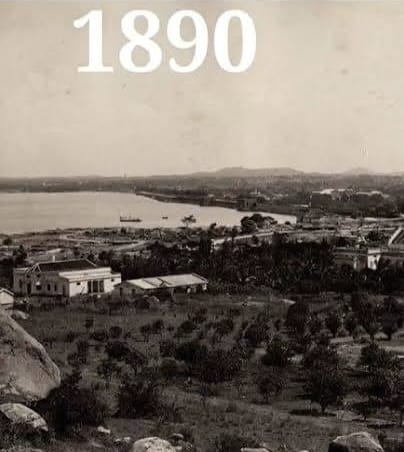
*Playing Games with Public Health and Ecological Balance?*
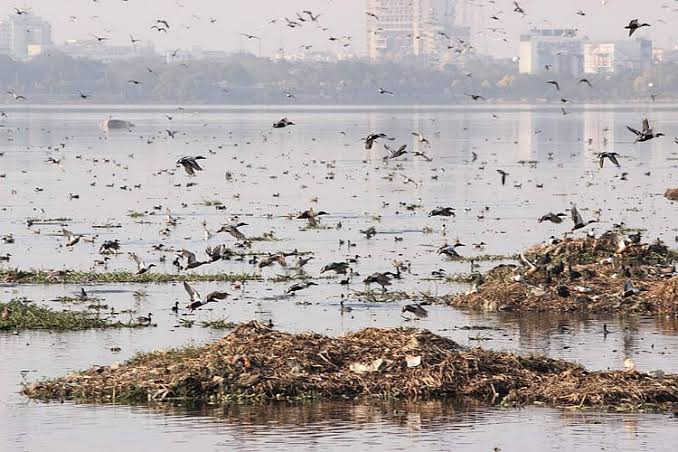
The pollution of Hussain Sagar poses a grave threat to our health. For the residents living in the vicinity, the consequences include respiratory and skin ailments, foul odors, and the emission of toxic gases (such as methane and hydrogen sulfide). Furthermore, the mass mortality of fish, the destruction of biodiversity, and the complete deterioration of water quality indicate that this is not merely a problem concerning the lake itself—it is a direct threat to the health of the entire city. The noxious fumes and methane gases released by this pollution are having a severe impact on the health of the millions of people residing in the surrounding areas. Most notably, the lake’s biodiversity is being decimated; once teeming with fish and birds, the lake is now choked with algae and water hyacinths. This constitutes nothing less than ecological devastation.
The pollution of Hussain Sagar has evolved from being a mere environmental issue into a severe health crisis that is recklessly endangering the lives of millions of people. The methane and hydrogen sulfide gases—generated by chemical reactions and the accumulation of decaying organic waste within the lake—are causing respiratory ailments, skin diseases, and chronic health issues among the residents of the surrounding localities. In particular, the unbearable stench that emanates from the lake—especially during the summer months—is severely degrading the quality of life within the city. Moreover, this pollution has resulted in the complete eradication of the lake’s biodiversity. The fish and other aquatic creatures that once thrived in these pristine waters have vanished, their place usurped by toxic ‘algal blooms’ and invasive water hyacinths. These water hyacinths have completely depleted the dissolved oxygen levels in the water, transforming the lake into a ‘dead zone.’ This is not merely an act of environmental destruction; it is a man-made disaster—a tragedy in which a magnificent natural resource has been turned into a toxic cesspool due to unscientific practices and the sheer negligence of those in power.
*Utilization of Public Funds – Where is the Transparency?*
Despite massive expenditures on various projects, tangible results remain conspicuously absent. Amidst unfinished works, a glaring lack of oversight, and negligent maintenance, the public is compelled to ask the critical question: “How much was spent? And what were the actual results?” Furthermore, if one examines the issue from the perspective of industrial regulation—specifically, why it lacks rigor—the answer becomes clear. Industries are mandated to treat their waste before discharge; however, due to a failure in enforcement, this is not happening. Regulations remain confined solely to paper; in particular, the lack of oversight by administrative officials and political leaders is glaringly evident. Additionally, weaknesses and lapses in the enforcement of laws and the imposition of penalties constitute major contributing factors to this crisis. Consequently, the lake is becoming increasingly toxic. This environmental degradation is inflicting irreparable damage, leading to a drastic decline in the lake’s biodiversity. It is an undeniable reality that we are witnessing the collapse of an ecosystem—manifested in the dwindling populations of birds and fish in the Sagar, and the destruction of the water body’s natural self-purification capacity.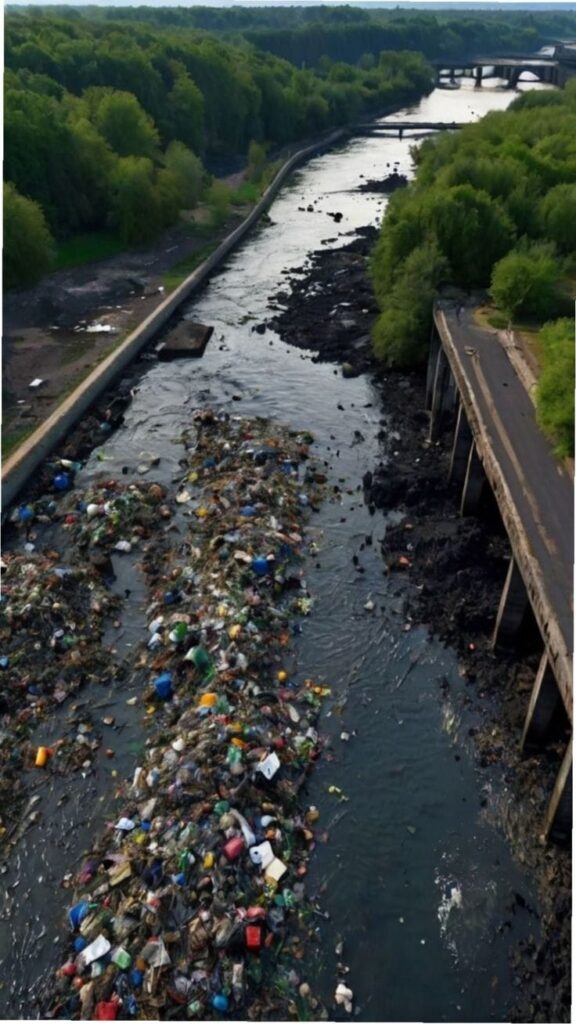
*The System Must Change – Accountability Must Increase:*
To ensure that public funds are not squandered, merely constructing projects is insufficient; a ‘Social Audit’ must be conducted to assess the actual impact and effectiveness of these initiatives. A real-time monitoring process must be implemented, utilizing online sensors to continuously track the toxic waste flowing into the drains. The licenses of industries that violate environmental regulations must be revoked. Taking meaningful strides toward the restoration of Hussain Sagar requires more than just engineering projects; a fundamental systemic overhaul and a heightened sense of accountability among those in power are absolutely essential. To prevent the wastage of public money, a ‘Social Audit’ must be conducted on every single penny spent, and the tangible results of these projects must be transparently presented to the public. The government must not only leverage technology to install ‘real-time online sensors’ for the continuous monitoring of toxic effluents flowing through the drains but also demonstrate the resolve to act sternly against non-compliant industries by revoking their licenses.
True change becomes possible only when environmental protection is viewed not merely as a tool for vote-bank politics or a means to siphon off funds, but rather as a profound moral obligation. In conclusion, the issue of Hussain Sagar is not merely a technical failure; it is a test of the sincerity of those in power. Governments must abandon their greed for commissions and take concrete steps toward implementing permanent, grassroots-level solutions. As citizens, only when we question the misappropriation of our tax money can we hope to bequeath a historical legacy in a healthy state to our future generations; otherwise, there is a grave risk that this historical treasure will be reduced to nothing more than a toxic memory. The pollution of Hussain Sagar is not merely an engineering challenge; it is fundamentally a political and ethical issue. It is high time that governments—eschewing their obsession with ‘commissions’—move towards implementing lasting, ‘root-level’ solutions. Otherwise, the next generation will witness not a historic lake, but merely a toxic cesspool. This cycle of exploitative projects can be brought to a halt only when the public begins to question how their hard-earned tax money is actually being utilized.
*Solutions – Actions to be Taken Now:*
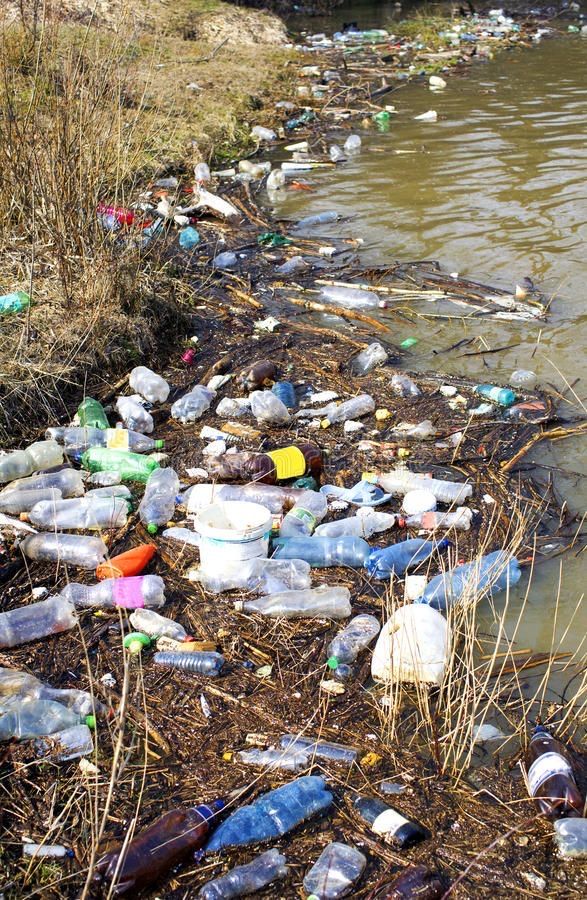
To ensure that the restoration of Hussain Sagar does not remain merely a dream, eco-friendly scientific solutions and a robust monitoring system must be implemented on a war footing. This primarily entails adhering to the principle of “Source Control”—treating 100% of domestic sewage at the source—while simultaneously taking strict legal action against industries that discharge toxic chemicals. Installing state-of-the-art “real-time monitoring sensors” and making pollution data continuously available to the public online will significantly enhance transparency. While upgrading existing Sewage Treatment Plants, new facilities must be constructed to accommodate the growing population. Rather than relying solely on machinery, “nature-based solutions”—such as creating natural wetlands and floating plant beds (floating islands) along the water’s inflow channels—can be utilized to naturally remove nutrients like nitrogen and phosphorus from the water. Finally, no matter how many measures the government implements, no plan can succeed without public participation; citizens must act responsibly by refraining from dumping solid waste and plastics into the drainage channels. Only such a comprehensive, environmentally conscious approach can restore Hussain Sagar to its former glory. 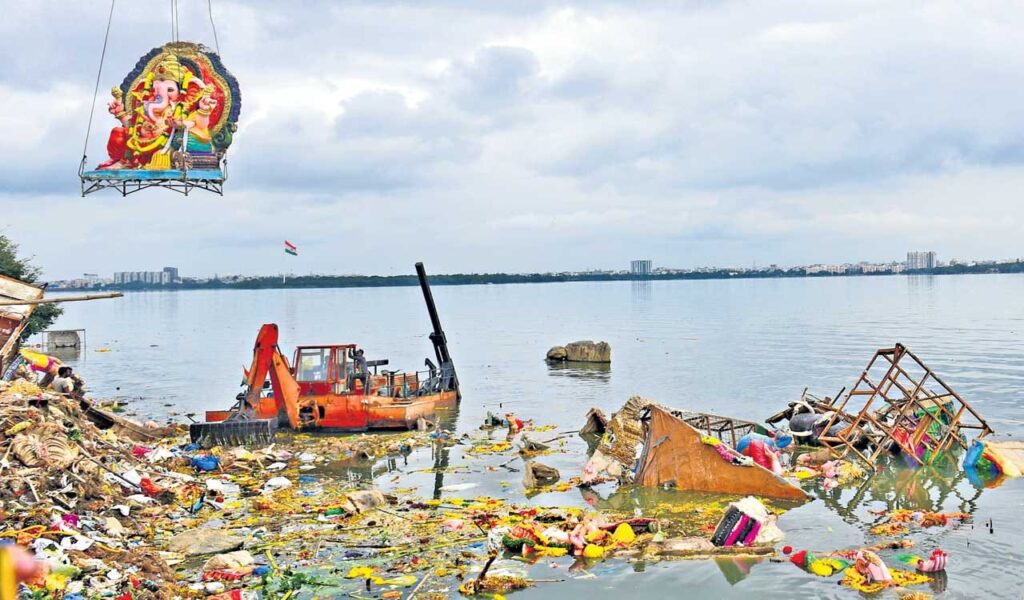
 *Hussein Sagar Restoration – A Social Responsibility:*
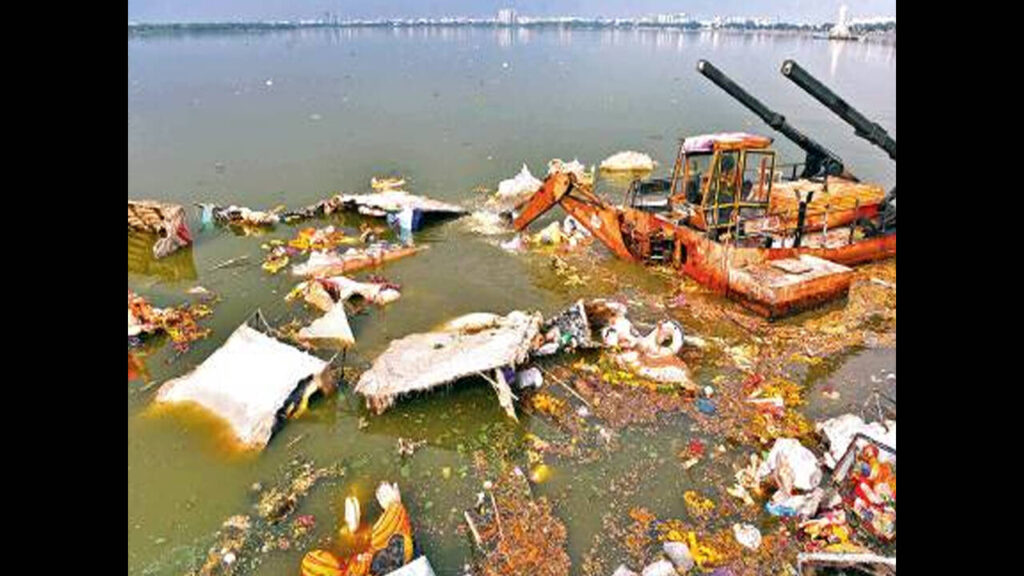
The restoration of Hussein Sagar is not merely an issue of cleaning up a lake; it serves as a touchstone that tests our environmental consciousness and social responsibility. We must recognize the truth that protecting nature is, in essence, protecting ourselves and our future generations. Without accountability and transparency in governance, environmental conservation remains confined solely to paper. By conducting a ‘Social Audit’ for every project, the misuse of public funds can be curbed; furthermore, by releasing public reports on the actual changes observed at the ground level, the government’s performance becomes clearly evident to the public. A robust mechanism must be in place to initiate strict action against relevant officials and contractors who violate environmental norms or display negligence in project implementation. We can safeguard natural assets like Hussein Sagar only when the sincerity of the administration is coupled with the continuous vigilance of the public. True systemic change begins when we, as citizens, raise questions whenever there is a lack of transparency in government-initiated projects or when public funds are being squandered.
Traditional methods alone are insufficient for the restoration of Hussein Sagar; a scientific and robust administrative strategy is imperative. Primarily, every drain must be intercepted, and wastewater treated at the local level through decentralized STPs (DEWATS); furthermore, tertiary treatment methods—specifically designed to remove nitrogen and phosphorus—must be implemented at these plants. Regarding industries, a ‘real-time monitoring’ system must be established, and authorities must act with sufficient strictness to revoke the licenses of those found in violation of regulations. In addition to mechanical treatment, nature-based solutions—such as the restoration of constructed wetlands and littoral zones—will significantly enhance the lake’s natural self-purification capacity. Above all, an Integrated Lake Basin Authority operating under a unified command structure must be established, and a system of ‘outcome-based budgeting’—which prioritizes tangible results over mere expenditure—must be introduced. Accountability within the system will be strengthened—and the Sagar will regain its pristine vitality—only when data is maintained with transparency via public dashboards and quarterly social audits are conducted. Whether Hussain Sagar once again sparkles with clean, vibrant waters depends entirely on the sincerity of the administration and the active participation of the public. If we do not wake up and take appropriate action right now, the only legacy we will leave for future generations is toxic waste. Therefore, we must take the responsibility of ensuring clean air and water into our own hands, and carry forward the cause of environmental protection as a continuous, enduring movement. Only by taking action right now can we provide future generations with clean cities, a habitable Earth, and livable environments.
The restoration of Hussain Sagar is not a task that can be accomplished solely through engineering projects; it is achievable only through a comprehensive process that integrates a scientific approach, strict law enforcement, transparent governance, and public participation. It must be recognized that mere ‘diversion’ works—which simply channel water from one location to another—do not resolve the problem at its roots; they merely displace the pollution. It is imperative to establish decentralized Sewage Treatment Plants (STPs) capable of treating 100% of domestic wastewater, and to act with strict resolve by monitoring industries that discharge chemical waste 24/7 via online sensors, revoking the licenses of those found in violation. Government accountability is enhanced only when a ‘social audit’ is conducted regarding the utilization of project funds and when transparent reports are placed before the public. This historic lake will truly come back to life only through the creation of natural wetlands combined with responsible behavior from citizens—specifically, by refraining from dumping waste into drainage channels; for *“the lake becomes clean only when the source is purified; the future is secure only when responsibility is shared.”*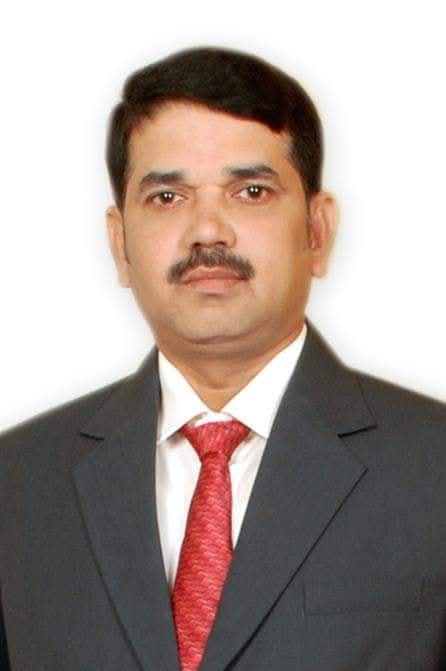
*– RAVI BABU PITTALA, Environmentalist, Former Assistant Professor, JNTUH, Hyderabad, Cell: +91 9849425271.*