Wetland conservation – Sustainability of agriculture, environment and ecosystems
*Wetland conservation – Sustainability of agriculture, environment and ecosystems*
*– Water bodies – Homes of biodiversity: Pillars of agriculture.*
*– Agricultural sustainability through conservation of natural water systems.*
*– Integrated water management – A solution to the peasant crisis*
*– Water resources-biodiversity-agriculture: A comprehensive relationship analysis.*
*– Author: Ravibabu Pittala, environmentalist.*
*Sustainable agriculture – The role of the peasantry in water resources and environmental conservation*
Water, agriculture and the environment function as a single interdependent ecosystem; if any of them weakens, the peasantry is inevitably in crisis. In India, since ancient times, local water resources like ponds, ponds, and wetlands have not only fulfilled the irrigation needs but also maintained the ecological balance, but in modern times, problems such as overuse of groundwater, encroachment of ponds, excessive use of chemical fertilizers and pesticides, as well as the impact of climate change have become acute, such as water scarcity, reduction in soil productivity, and loss of biodiversity. The main reasons behind these problems are uncontrolled development, lack of proper water management, lack of environmental awareness, and careless use of natural resources. To overcome this situation, we need to move forward with a comprehensive and scientific approach; by implementing methods such as restoration of ponds, rainwater harvesting, watershed management, micro-irrigation methods like drip and sprinkler, organic and natural farming, and crop rotation, we can not only reduce water consumption but also protect the environment. In this direction, programs like Mission Kakatiya being implemented in Telangana are yielding good results in the restoration of ponds. Ultimately, sustainable agriculture and future security are possible only if the entire society works together, with the understanding that the farmer is not just a food grower but also a custodian of water resources and a protector of the environment.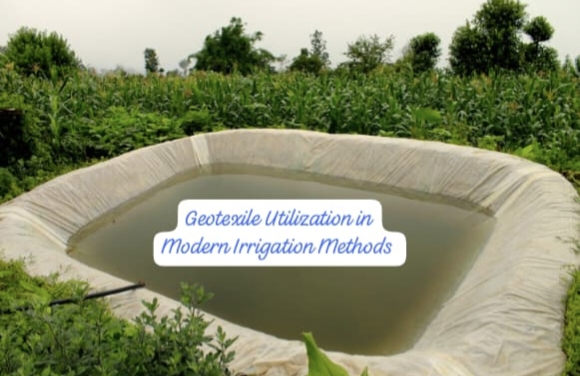
*Decline of ponds – a blow to the rural economy*
In rural areas, ponds are not just water sources, they are the economic and ecological livelihoods of the village. The chain pond system of the Kakatiya era reflects our water management skills. But today, that system has reached a point of collapse. *Problems:* Even when it rains, the water does not stagnate in the ponds. The pond embankments are breaking after even a little rain or drying up before the onset of the dry season. Due to this, the ayacut farmers do not get timely irrigation water. Fishermen and artisans who depend on the ponds are losing their jobs. *Causes:* The main reason is the encroachment of natural streams and inflow channels into the ponds. The ponds are being filled with silt due to the washout of chemical fertilizers and the accumulation of plastic waste. The illegal encroachment of the pond ridge lands for brick kilns or real estate has severely reduced their water storage capacity.
*Water conservation and management issues*
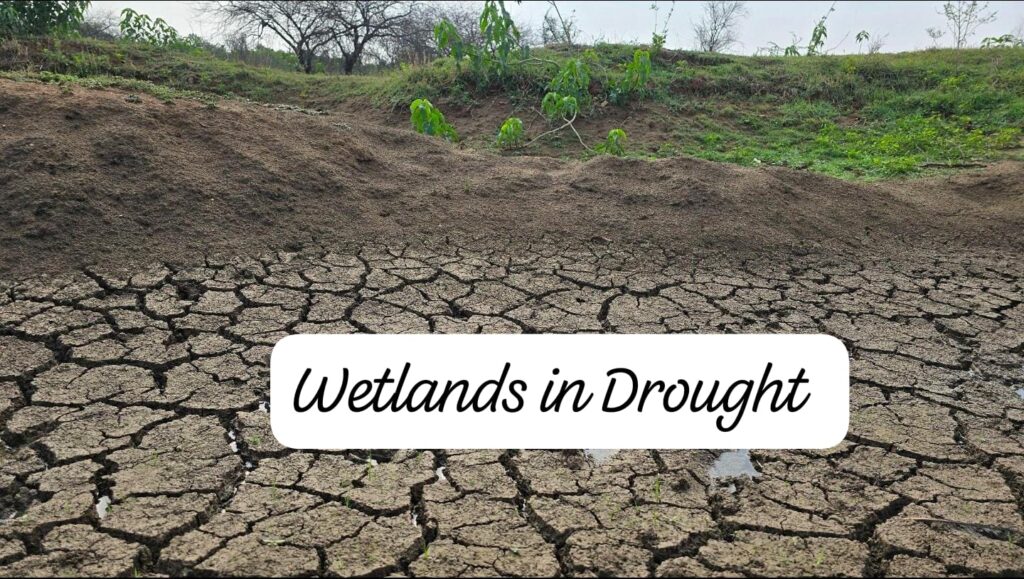
The biggest challenge facing the farmers today is not just the availability of water, but also the improper management of the available water and the excessive dependence on groundwater alone, leaving aside traditional water conservation methods. In the current era, these water problems, agricultural crisis and environmental degradation have become a serious challenge; due to excessive and irregular consumption and over-reliance on bore wells, the groundwater levels are falling to the bottom, while traditional ponds and ponds in the villages are drying up. In addition, climate change is causing extreme rainfall inequities, and water is being wasted in areas with free electricity. Lack of crop rotation and cultivation of water-intensive crops like rice and sugarcane in areas with low water availability are leading to water scarcity. The main reason for this crisis is the lack of awareness among farmers about scientific water management methods and the lack of environmental awareness that groundwater is not infinite; and the current lack of active local water users associations to regulate water use has further complicated the problem. This water crisis is directly affecting the agricultural sector, causing crops to wither due to water scarcity; In addition, the use of excessive chemicals has reduced soil productivity, and the increase in investments in digging new boreholes for receding groundwater has led to farmers going into debt, which has not yielded a corresponding increase in yields. This devastating impact does not stop here, but is also destroying the environment; the disappearance of wetlands, which are like the kidneys of the earth, and the pollution of water by industrial and agricultural chemicals are severely affecting local biodiversity. Therefore, if we are to save the rural economy and agriculture, it is urgent to identify these three problems as a single ecosystem and address them comprehensively, not separately.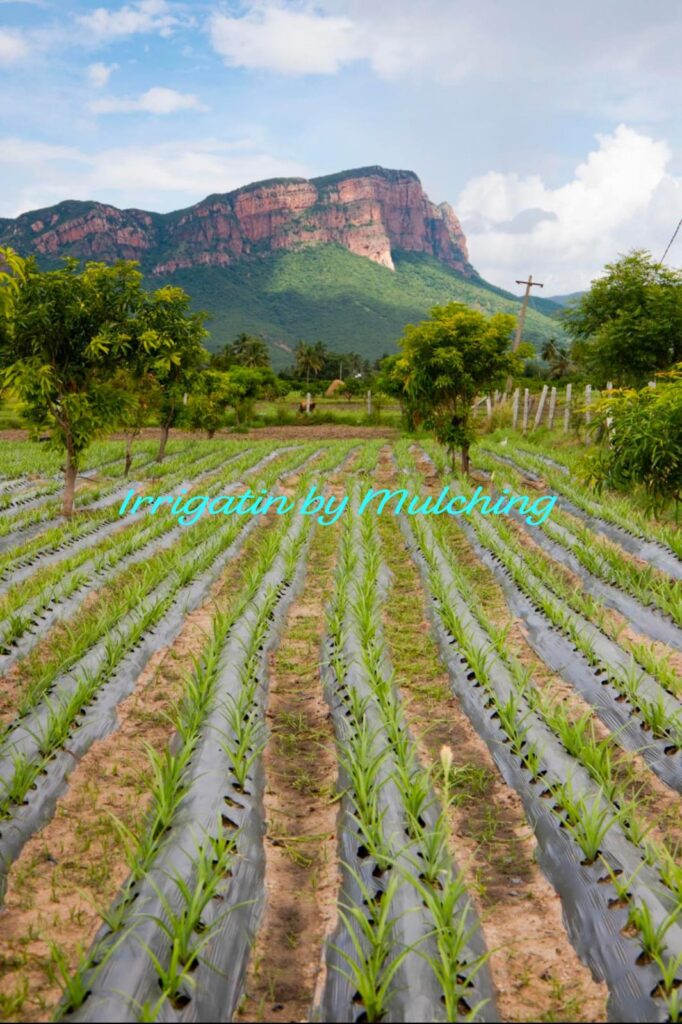
*Causes leading to water and environmental crises*
If we look at the causes leading to the current water and environmental crises, they are mainly linked to human errors, development patterns, climate change and governance failures. The most important of the human causes is the exploitation of groundwater resources for short-term benefits; while groundwater is being depleted due to uncontrolled drilling of boreholes, excessive use of chemical fertilizers and pesticides for agricultural production is directly poisoning the soil and running water. In addition, the illegal encroachment of ponds and ponds, which are the basis of the rural economy, is completely destroying the natural water storage systems. On the other hand, due to the pressure of modern development, wetlands, which are the heart of the earth, are being filled in to make way for the expanding real estate sector, road construction and industries, resulting in the disappearance of natural ecosystems. In addition to this local devastation, global climate change is exacerbating the problem; rainfall patterns have completely changed, with no rains in time or when they do fall, they fall in a cloudburst pattern, causing floods, and the rapid drying of reservoirs due to increased sun intensity. All this is compounded by the governance and institutional weaknesses in addressing these problems; the lack of implementation of scientific water management practices at the field level, and the inability of local institutions (village panchayats, water associations) to play an active role in conserving water resources, which is causing this crisis to spiral out of control.
*Water, agricultural, and environmental sustainability*
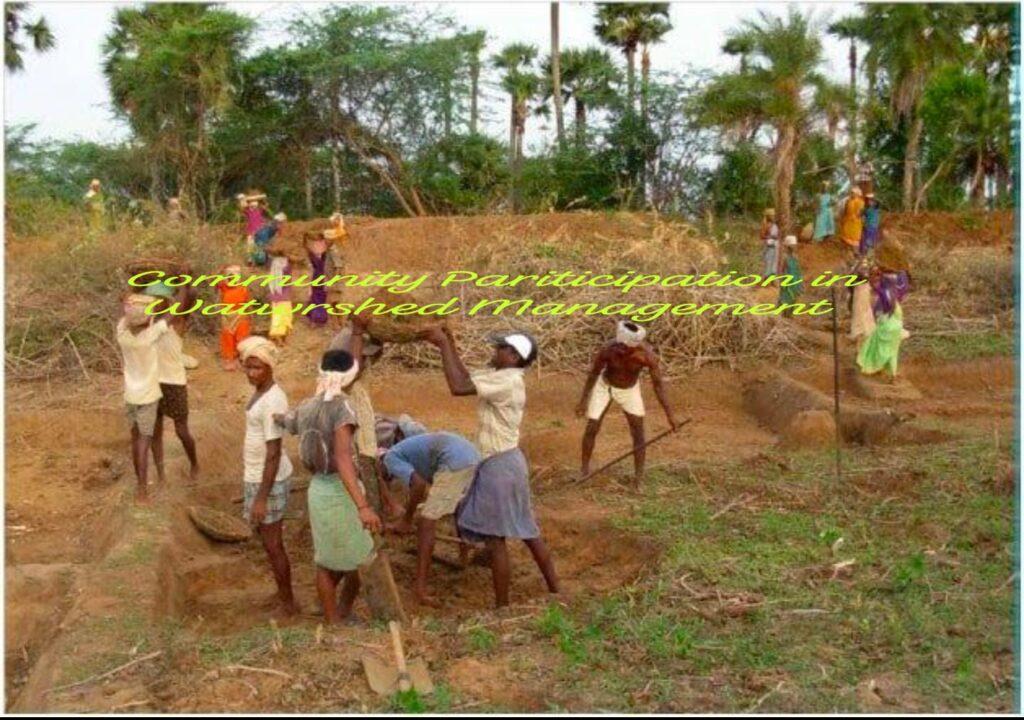
A comprehensive strategy involving scientific solutions, sustainable practices, and community participation is urgently needed to overcome the current water, agricultural, and environmental crises. The first step for this is to adopt effective water management; As part of this, measures should be taken to ensure that rainwater is not wasted by taking up groundwater recharge structures like inkudu pits and check dams, and to retain water locally through development of watershed areas (watershed management). To use this conserved water economically in agriculture, sustainable farming methods like drip and sprinkler irrigation should be expanded; switching to organic or natural farming instead of chemicals, and adopting crop rotation and mixed cropping can increase soil productivity and water retention capacity. Along with this, the storage capacity of surface water resources should be increased by reviving traditional tanks, removing silt from them (desiltation) and strictly preventing encroachment of tank ridge lands, inspired by successful schemes like ‘Mission Kakatiya’ in Telangana. For environmental restoration, large-scale afforestation in the catchment areas of reservoirs, protection of catchment areas and implementation of soil conservation methods to prevent soil erosion are very crucial. However, since all these works cannot be done through government laws alone, mass participation should be enhanced by strengthening water user associations at the field level and providing special training and awareness to farmers to conduct water audits based on water availability at the village level. Ultimately, to achieve all this, an integrated approach should be introduced in our thinking; If water is the lifeblood of agriculture, then agriculture depends on the environment, and the environment controls the water cycle in nature. Therefore, only when these three are recognized and treated as a single integrated ecosystem, not as separate elements, will today’s farmers and nature have a sustainable future.
Scientific Agricultural Water Management – Environmental Benefits*
*Micro-irrigation:* Traditional flood irrigation should be abandoned and methods like drip irrigation and sprinklers should be widely implemented. This reduces water consumption by 40% to 60% and ensures that nutrients reach the roots directly. *Crop diversification:* Cultivation of high-yielding wet crops, millets, and pulses with less water should be encouraged. *Natural recharge structures:* Rainwater can be collected on site by digging ‘field ponds’ or ‘farm ponds’ in each field, which increases the life of local borewells. *Chained pond construction systems:* The chained pond system should be surveyed scientifically (through Geographical Information System (GIS) and satellite mapping), encroachments should be removed and water flow channels should be restored. *Natural desilting and bio-technology:* Silt taken from the ponds should be spread in the farmers’ fields as an alternative to chemical fertilizers. This gives strength to the field and increases the efficiency of the pond. The ponds can be protected from breaking by planting trees like vetiver grass, eita, and tadpole, which have strong roots on the pond banks.
Community Governance: Similar to the traditional water distribution experts of the past like ‘Neerati’ or ‘Nelakolatha’, farmers’ committees should be formed in the villages and given full responsibility for the protection of ponds.
*Conservation and Conservation of Wetland Biodiversity*
Wetlands are like the kidneys of the earth. They not only purify water, but also recharge groundwater and help to withstand climate change. Agricultural productivity indirectly depends on the health of these wetlands. *Problems:* There is a misconception in society that wetlands are wastelands. Their drying up and conversion into farmland or residential areas is destroying local biodiversity. Migratory birds have decreased, and with the disappearance of frogs and native insects, crop pests are increasing. *Causes:* The excessive use of pesticides and chemical fertilizers in modern agriculture is washing away these wetlands through rainwater. This leads to ‘eutrophication’ – excess nutrients in the water (weeds like horseshoe crabs grow and oxygen is reduced) and aquatic life is dying.
*Eco-friendly scientific solutions*
Eco-buffer zones: Buffer zones should be established between crop fields and wetlands with dense native plants. These plants absorb chemical residues from the fields and provide natural filtration (bio-filtration) so that only clean water passes into the wetland. *Natural pest control methods:* Birds and frogs in wetlands eat insects that damage crops. Therefore, farmers should reduce the use of chemicals and lean towards organic or natural farming. This not only protects the biodiversity of wetlands, but also reduces the investment cost for the farmer. *Demarcation and legal protection:* Every wetland in the villages should be identified and given legal protection. Local water bodies should be declared as ecologically sensitive areas inspired by the Ramsar (Wetland) norms.
*A new path to sustainable development*
The slogan “Save water, save agriculture, save environment” is not just a saying; it is the ultimate truth of our existence. In today’s modern society, seeing a farmer only as a laborer who grows food grains is a testament to our narrow-minded thinking. In fact, a farmer is a unique ecological steward who is very close to nature. From ploughing the land to harvesting the crop, every work he does is linked to the protection of water systems, the balance of groundwater and the preservation of local biodiversity. When a farmer practices agriculture while following scientific water management methods and protecting ponds and wetlands, only then is environmental sustainability possible.
This environmental sustainability is the real fuel for the economic and social development of the country. In an agrarian country like India, lack of water security can lead to the collapse of the rural economy; it can lead to increased migration to cities and social unrest. Therefore, restoration of ponds, organic farming and integrated water management are not just environmental protection measures; they are socio-economic strategies that will shape the future of the country and its food security. Sustainable agriculture that respects nature and preserves every drop of water as a vital resource will sustain the environment. It is the environment that will enrich the country economically. Therefore, it is our collective responsibility to recognize the breadwinner as an environmental savior and provide him with water literacy and lead him on a new path of progress that is in harmony with nature.
*– Ravi Babu Pittala, Environmentalist, Former Assistant Professor, J.N.T.U.H., Hyderabad and Joint Secretary, Orugallu Wildlife Society N.G.O., Telangana, India. Cell: +91 9849425271.*