*If Earth is the foundation of life, the ocean is the life-support system for Earth
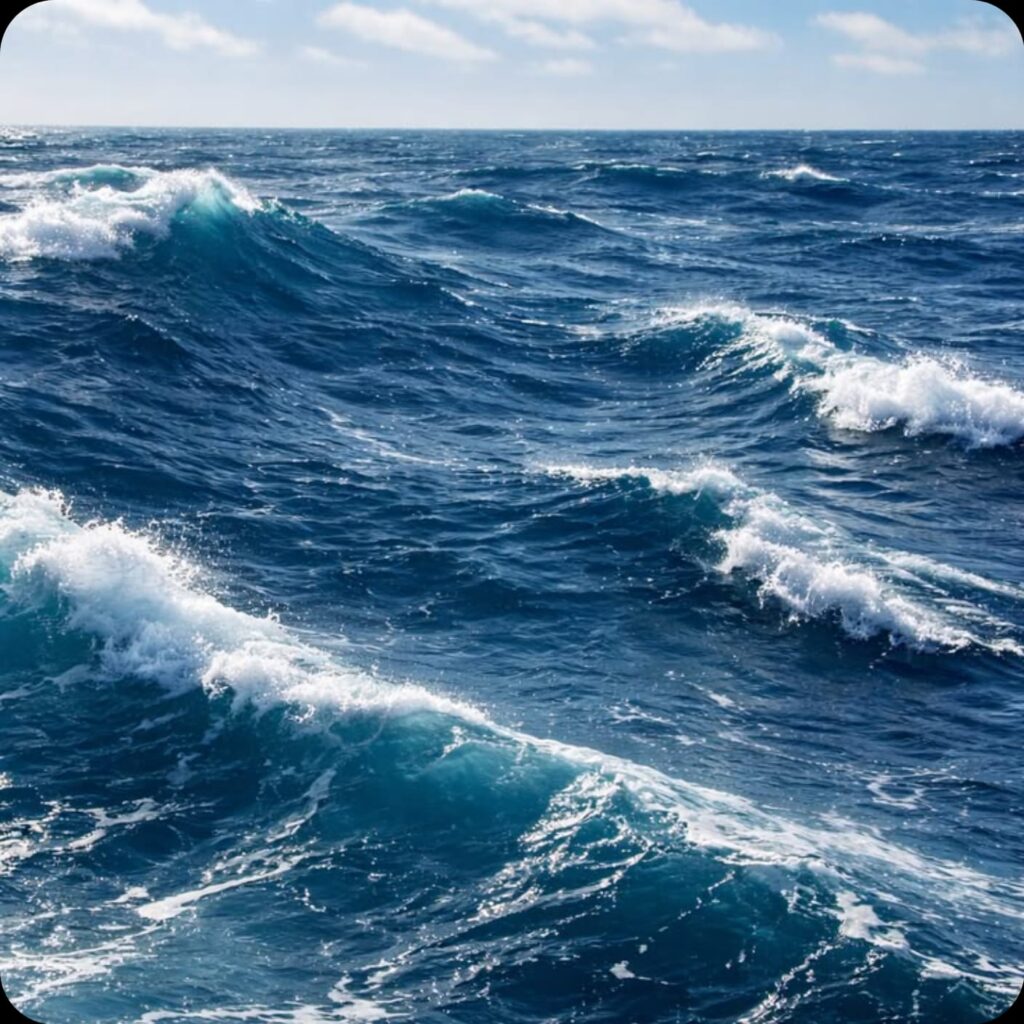
*If Earth is the foundation of life, the ocean is the life-support system for Earth.*
*– As long as the ocean exists, life endures.*
*– The ocean is the source of our vitality; protecting it secures our future.*
*– There is no life without the ocean—it is the true foundation of life.*
*– The very essence of life—the ocean is the ultimate life-support.*
*– Protecting the ocean means protecting life itself.*
*– Author: Ravibabu Pittala, Environmentalist*
*World Oceans Day – June 8, 2026*
World Oceans Day is an international environmental observance celebrated annually on June 8. The idea for this day was first proposed during the Earth Summit (United Nations Conference on Environment and Development) held in Rio de Janeiro, Brazil, in 1992. At that conference, the need for a dedicated day to highlight the importance of oceans to the world was put forward. For many years thereafter, environmental organizations and volunteers observed the day informally. Finally, in 2008, the United Nations officially designated June 8 as World Oceans Day, and it has been officially celebrated worldwide since 2009. This day serves as a reminder of the vital importance of oceans to our lives. This year, awareness programs are being organized globally with the core message: *“Strong Marine Protected Areas for Our Blue Planet.”* Oceans are not merely sources of water; they are vital powerhouses that sustain life on Earth.
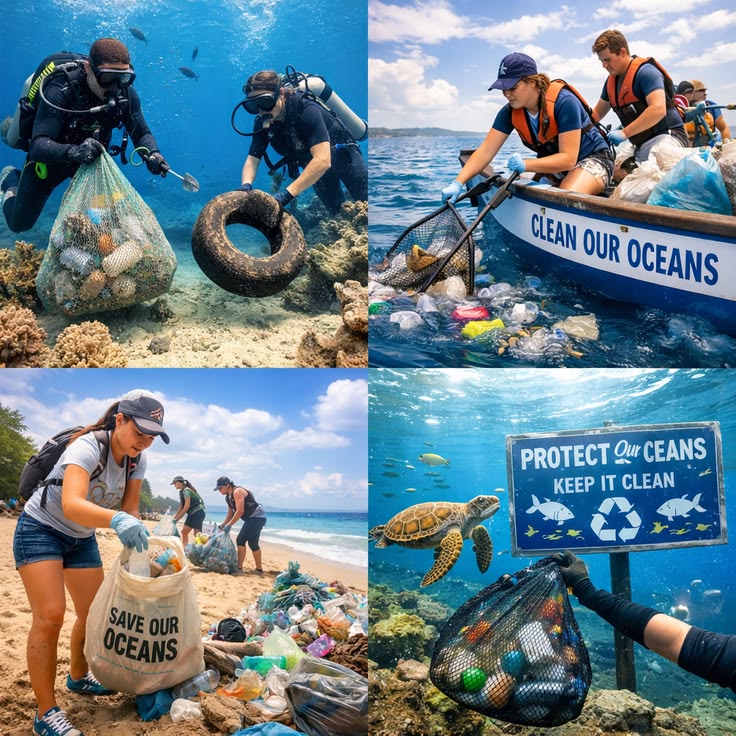
This day is observed in various ways across the globe. Schools, colleges, government bodies, and voluntary organizations collaborate to conduct awareness programs on ocean conservation. Activities such as beach clean-ups, river and lake cleaning drives, seminars, rallies, and poster and essay competitions are organized. Additionally, campaigns like #WorldOceansDay are run on social media to foster public awareness. Scientists, environmentalists, and policymakers engage in discussions regarding ocean protection. The primary objective of World Oceans Day is to highlight the importance of oceans and encourage everyone’s participation in their conservation. Oceans play crucial roles, such as providing oxygen, regulating the climate, and serving as habitats for biodiversity. However, oceans are currently at risk due to factors like pollution, plastic waste, overfishing, and climate change. Therefore, the main goal of this day is to raise global awareness and promote actions to protect our oceans.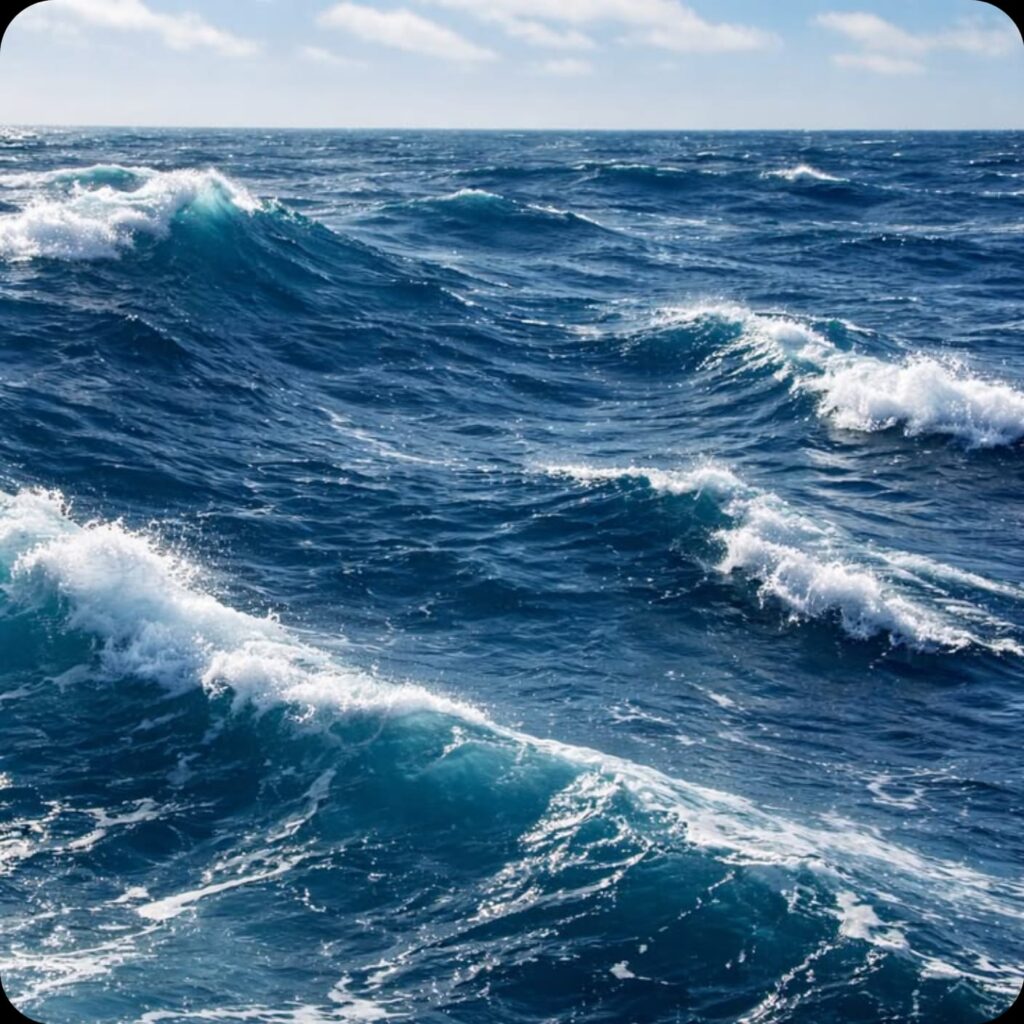
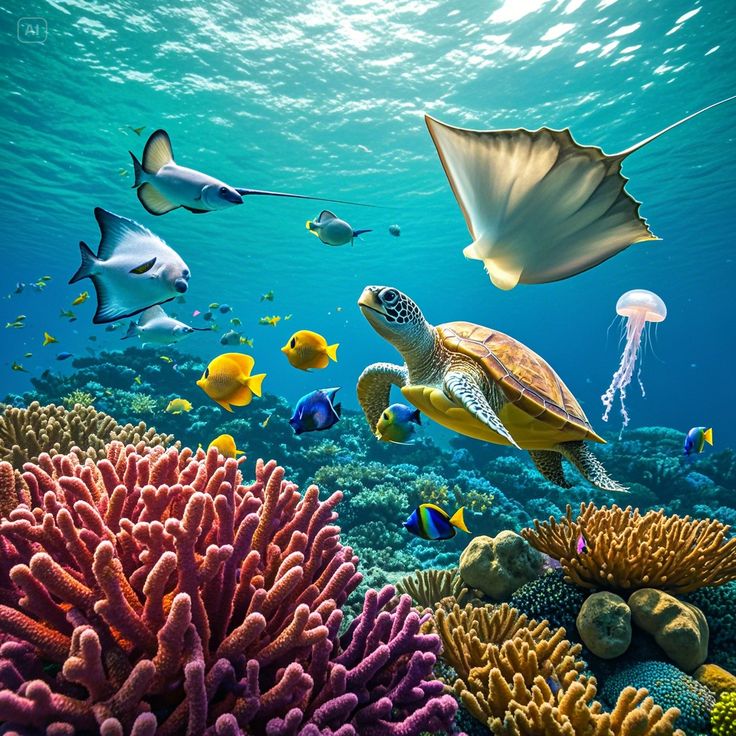
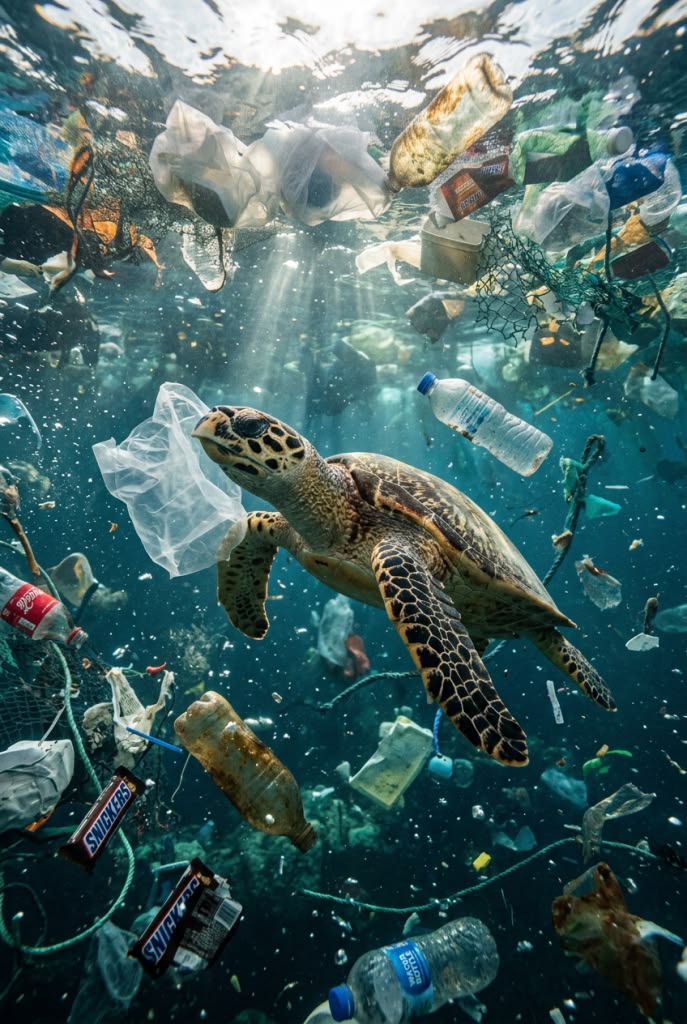
The oceans produce a significant portion of the oxygen we need. They play a key role in controlling climate change. They are home to millions of species of life in the world. From small fish to large whales, many creatures depend on the oceans for their survival. Many salts, minerals, and food sources are also obtained from the oceans. In this context, protecting the oceans is directly related to the future of humanity. Currently, countries around the world are moving forward with the 30×30 goal. That is, the determination to protect at least 30% of land and ocean areas by 2030. This is the most crucial step to protect marine biodiversity. Problems such as overfishing, pollution, climate change, and plastic waste in the oceans are increasing day by day. In these circumstances, it is imperative to protect the oceans.
There are many answers to the question of why it is necessary to protect the oceans. First, it is essential for the protection of fish and other marine life. Second, the oceans help regulate the earth’s temperature. Third, the livelihoods of people living in coastal areas depend entirely on the oceans. Fourth, the role of the oceans in maintaining the balance of nature is immense. In recent times, marine pollution has become a major problem. Plastic waste, industrial waste, and pollutants entering the oceans through rivers are putting marine life at risk. Millions of marine creatures lose their lives every year due to plastic waste. This is becoming a serious environmental crisis. The impact of climate change is also having a serious impact on the oceans. Due to global warming, ocean temperatures are increasing. This is destroying coral reefs and reducing marine biodiversity. Rising sea levels are posing a threat to people living in coastal areas.
Every individual can be a partner in ocean conservation. Marine pollution can be reduced by reducing plastic consumption. The environment can be protected by participating in programs to clean beaches, ponds, and rivers. Fish resources can be preserved by consuming only sustainable seafood products. It is also very important to adopt an environmentally friendly lifestyle. Rainwater conservation is also part of ocean conservation. Groundwater can be recharged through rainwater harvesting and watershed management. This will ultimately improve the quality of water that reaches the oceans through rivers. Through integrated management of water resources, we can keep the environment in balance. Another important factor is awareness. Schools, colleges, NGOs, and governments should work together to raise awareness about ocean conservation. It is essential to instill a sense of responsibility towards the environment among the youth. This will lead to positive changes in the future.
Only by protecting our lakes, rivers and forests can we protect our oceans. We must always remember that every drop of water eventually reaches the ocean. Therefore, protecting the ocean is not just about the coasts; it is everyone’s responsibility. Even small changes we make can have a big impact. A change that starts with not using a plastic bag can become a big movement to protect the oceans in the future. We should consider it our responsibility to love and protect nature. In other words — protecting the ocean means protecting our future. If we want to provide a healthy environment for our generations, we must focus on protecting the ocean from now on. If we change ourselves, the world will change.
This day sends an important message — protecting the ocean is not only the responsibility of coastal people, but everyone’s responsibility. The water we use, the waste we throw away eventually reaches the oceans. So, by making small changes, for example, by reducing plastic consumption, conserving water resources, and adopting an eco-friendly lifestyle, we can also be partners in protecting the oceans. Ultimately, protecting the ocean means protecting our future.
*— Ravi Babu Pittala, Environmentalist, OWLS *