Biodiversity Bridges between Terrestrial and Aquatic Ecosystems: These Wetlands
*Biodiversity Bridges between Terrestrial and Aquatic Ecosystems: These Wetlands*
*- A comprehensive analysis of wetlands*
*- Author : Ravi Babu Pittala, Environmentalist*
Wetlands are areas of land that are heavily influenced by water (surface or groundwater), and act as transitional zones (ecotones) between land and water. These areas are permanently or seasonally flooded, forming special hydric soils, which have anaerobic conditions with low oxygen levels. Hydrophytic vegetation, i.e. plants that love water, such as grasses, reeds, and mangroves, grow abundantly in wetlands. They are important centers of biodiversity, serving as breeding and feeding grounds for many species of birds, fish, insects, and amphibians. They also play a key role in nutrient cycling, recycling nutrients and slowing decomposition. Wetlands are of great physical and ecological importance, providing hydrological services such as water storage, groundwater recharge, and flood control. They also act as “nature’s kidneys” that naturally purify water by filtering pollutants and heavy metals. Their main uses include providing fertile soil for agriculture and supporting livelihoods such as fisheries. Coastal wetlands such as mangroves provide protection from storms and tsunamis. Wetlands also play a key role in climate regulation by storing carbon and helping to mitigate global warming. However, wetlands are under threat from threats such as urbanization, encroachment, pollution, climate change and overuse. Overall, wetlands are critical ecosystems that maintain hydrology, ecology and climate balance.
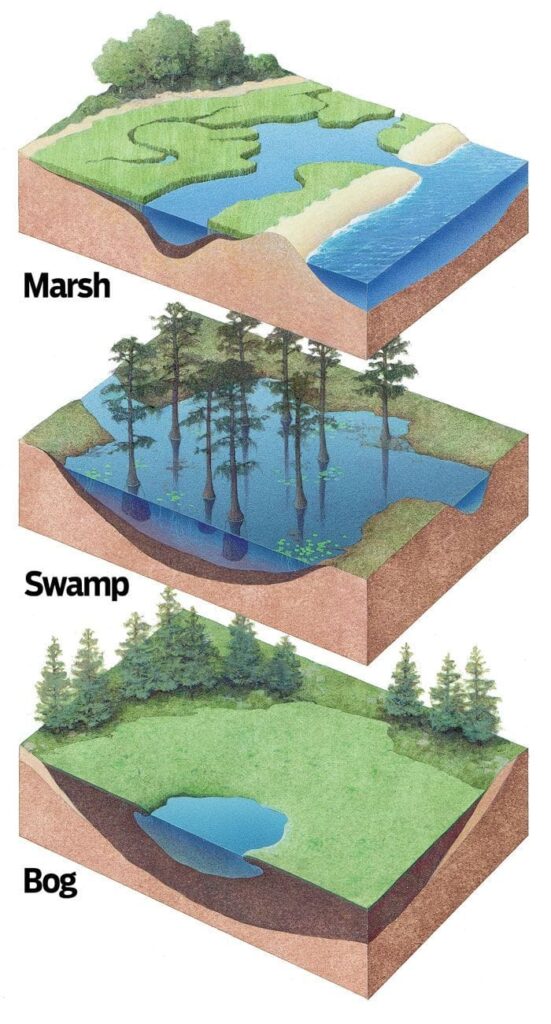
Wetlands are unique ecosystems where water plays a central role. They are considered “ecotones” between terrestrial and aquatic systems. The presence of water in wetlands, whether permanent or seasonal, creates unique soil, plant and animal communities. In addition to being a haven for biodiversity, they also provide key environmental services such as water storage, groundwater recharge, flood control and natural purification of pollution. Wetlands are mainly divided into six types. Marshes are shallow bodies of water that are mostly grasses and small plants; they can be found in both freshwater and saltwater. Swamps are areas of water that are mostly trees, either freshwater or mangrove (saltwater). Bogs are areas of water that are low in nutrients and highly acidic, especially in colder regions. Fens are wetlands that are fed by groundwater and are therefore more productive than bogs. Mangroves are wetlands that grow in saltwater along the coast, and are natural defense systems that protect the shoreline. Finally, floodplains are seasonal wetlands that fill with water when rivers flood, providing fertile land that is ideal for agriculture. Overall, wetlands serve as key ecosystems that maintain the balance in nature.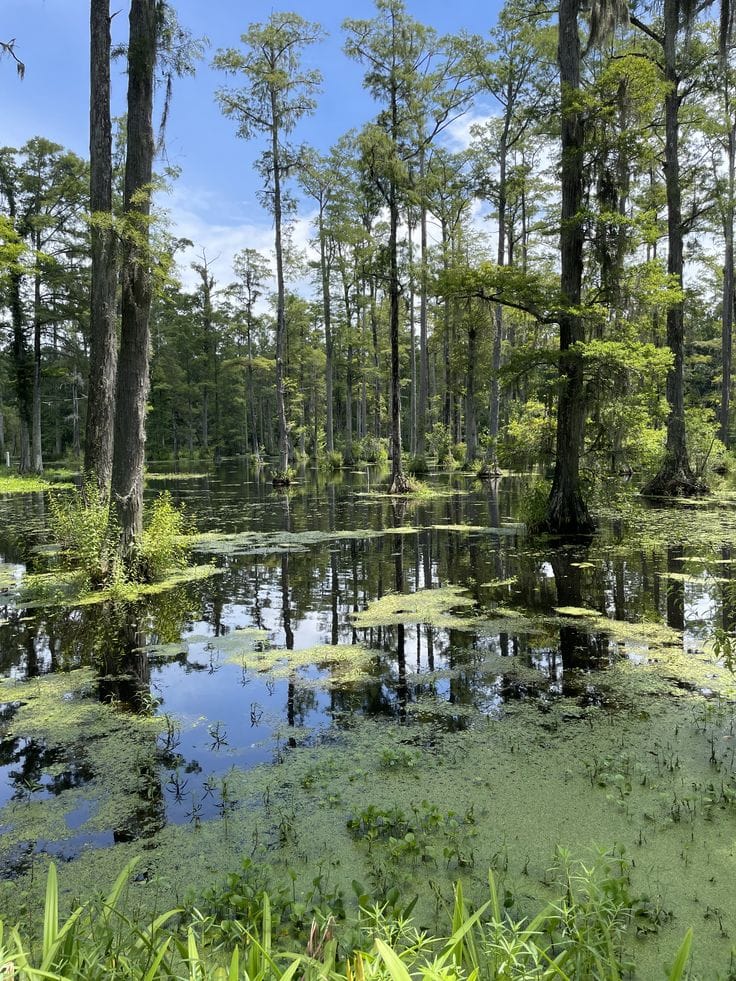
Marshes are important wetlands that store water at shallow depths. They are mainly filled with small plants such as grasses, reeds, and sedges, and trees are rarely seen. Marshes can be seasonal or year-round, and can be both freshwater and saltwater. Freshwater marshes are usually found near rivers and lakes, while salt marshes are found in coastal areas. They are considered highly productive ecosystems and provide important habitat for birds, fish, insects, and amphibians. Marshes play a key role in flood control by storing large amounts of water, and they also naturally filter and purify water. They also play an important role in nutrient cycling. However, marshes are threatened by urbanization, pollution, land degradation, and climate change. Overall, marshes are grass-based wetlands that are of great importance for biodiversity conservation, water purification, and flood control.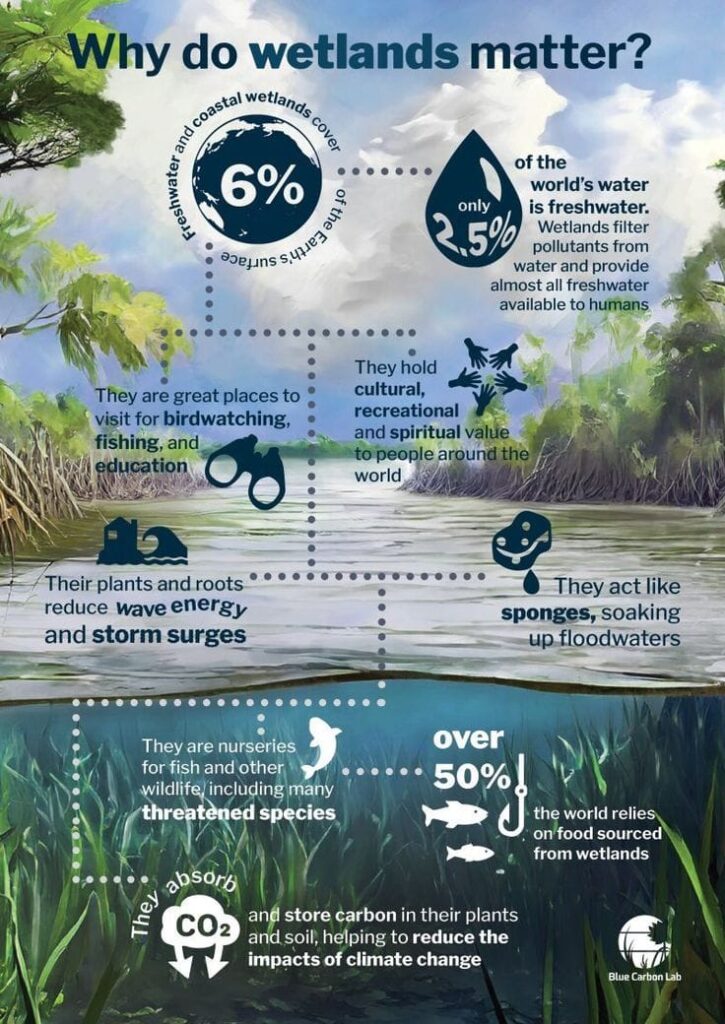
Swamps are water-filled, forest-like wetlands, where large trees predominate. The soil in these areas is constantly wet or waterlogged, allowing trees to grow in the water and develop specialized root systems. Swamps are mainly of two types: Freshwater swamps, which occur in low-salinity water near rivers and lakes; and Mangrove swamps, which are composed of trees growing in saltwater along coastal areas. Mangrove swamps act as natural barriers that protect coastal areas from storms and tsunamis. Swamps are important habitats for biodiversity, and also play a key role in water retention, flood control, and carbon storage.
Bogs are specialized wetlands, which occur mainly in cold regions and contain very low-nutrient and highly acidic water. They are mainly dependent on rainwater and do not receive much nutrients from groundwater, so they are less fertile than other wetlands. Bogs are mainly dominated by moss plants such as Sphagnum moss, which play a key role in storing water and increasing acidity. Due to the low oxygen levels in these areas, organic matter does not completely decompose, resulting in the formation of peat, which is important for carbon storage. Bogs are not only a refuge for unique species in terms of biodiversity, but also play a key role in climate regulation. Overall, bogs are highly ecologically important wetlands with low nutrients, high acidity, and moss-based vegetation.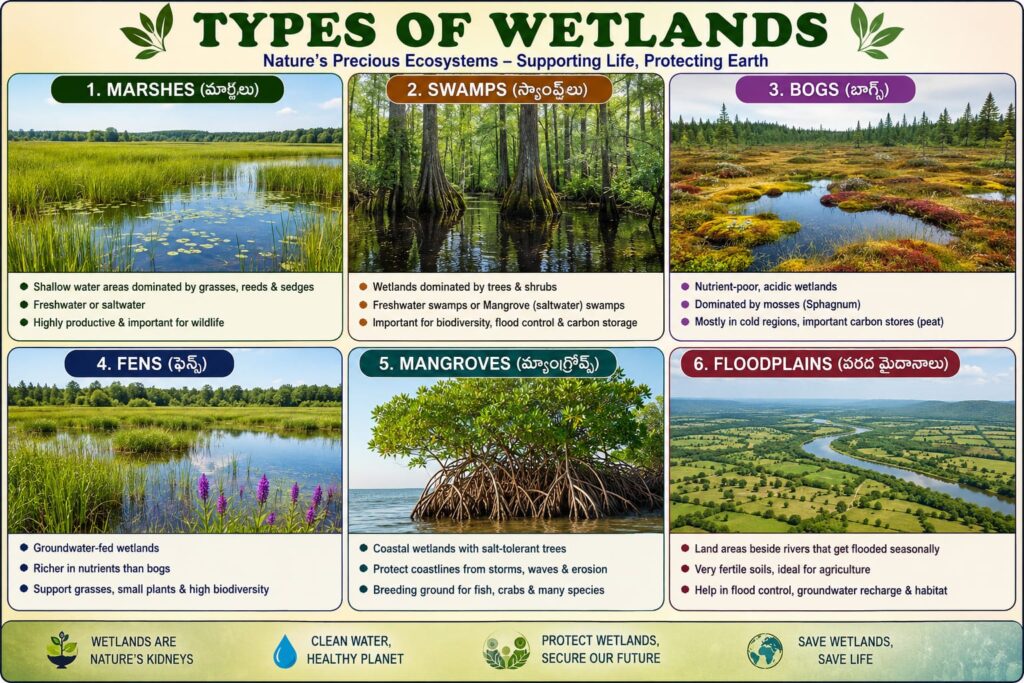
Fens are specialized wetlands formed by the influence of groundwater, which are considered fertile ecosystems because they are more nutrient-rich than bogs. Fens are a wetland where water carries minerals from deep within the ground, so they are usually less acidic or slightly alkaline. This allows grasses, sedges, small plants, and some flowering plants to grow in abundance. Fens are rich in biodiversity and provide important habitat for birds, insects, and other organisms. They also play a role in water storage, nutrient cycling, and carbon storage. Overall, fens are important systems that maintain ecological balance as they are more fertile, grass-based wetlands fed by groundwater than bogs.
Mangroves are specialized wetlands that grow in coastal areas, especially in brackish and shallow coastal areas. They are composed of salt-tolerant trees that can survive underwater through their specialized root system (prop roots, pneumatophores). Mangroves act as natural defenses that protect coastal areas from storms, tsunamis, and wave action. Similarly, they reduce soil erosion and stabilize the coast. Mangroves are important centers of biodiversity, serving as breeding and feeding grounds for many organisms such as fish, crabs, and birds. They also play a key role in carbon sequestration, helping to mitigate climate change. Overall, mangroves are specialized wetlands that are of great importance in environmental protection, coastal protection, and biodiversity conservation.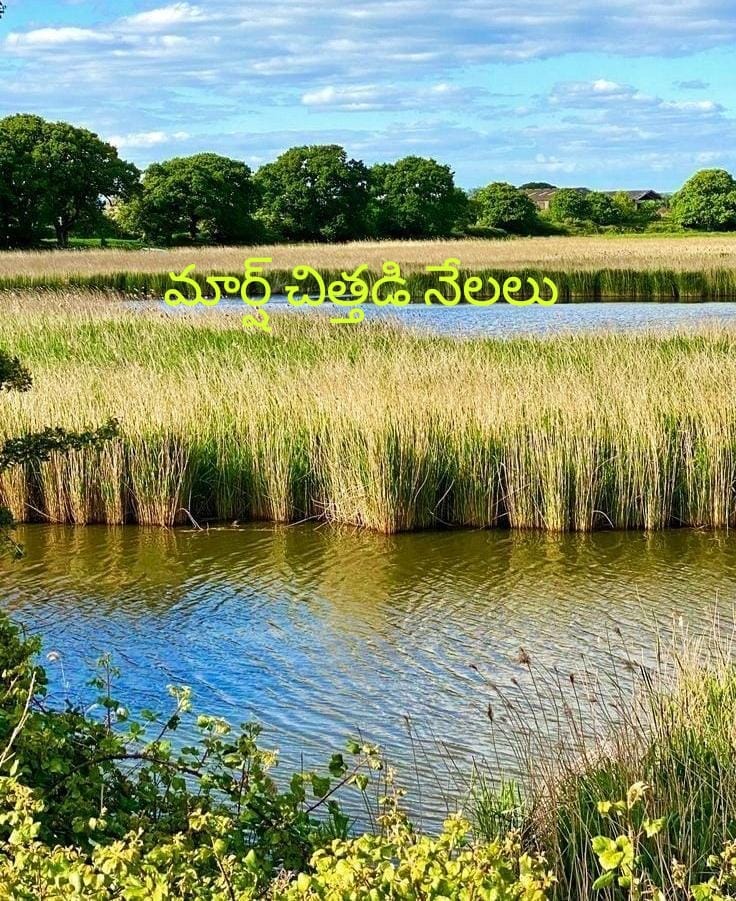
Floodplains are flat areas of land that are filled with water during floods, and are mainly considered seasonal wetlands. These areas located along the banks of rivers reduce the impact of floods by allowing water to spread out during floods and temporarily storing excess water. In floodplains, silt and nutrients that come with floodwaters accumulate in the soil, making these lands highly fertile and suitable for agriculture. They help recharge groundwater and increase groundwater levels. They also serve as temporary habitats for birds, fish and other wildlife, increasing biodiversity. However, floodplains are being destroyed due to excessive human encroachment, construction and pollution, which is increasing the risk of floods. Overall, floodplains are important wetlands that play a key role in flood control, agricultural development and ecological balance.
Wetlands are currently facing serious threats. With increasing urbanization, wetland areas have been encroached upon for residential and commercial purposes. Industrial waste, domestic sewage and chemical pollution are affecting the water quality of wetlands. Similarly, due to climate change, rainfall patterns are changing, causing wetlands to dry up or become more prone to flooding. The natural structure of wetlands is gradually being destroyed due to over-exploitation, land conversion and resource misuse. If these threats continue, problems such as loss of biodiversity, scarcity of water resources and increased frequency of floods will arise and disrupt the ecological balance. Therefore, wetland conservation is imperative.
Wetlands are the most valuable and vital ecosystems in nature that maintain balance. They are divided into six main types such as Marshes, Swamps, Bogs, Fens, Mangroves, Floodplains, and they not only provide a haven for biodiversity but also play an important role in water storage, groundwater recharge, flood control, and pollution control. They act as “Nature’s kidneys” and naturally purify water and act as “carbon sinks” to help mitigate climate change. They are also the basis of agriculture, fisheries, and the livelihoods of local people. However, wetlands are under serious threat due to urbanization, pollution, encroachment, and climate change. Therefore, the conservation of wetlands should be considered a responsibility of every human being and by protecting them, we can provide a healthy environment for future generations.
*- Ravi Babu Pittala, Environmentalist, Contact : +919848425271.*