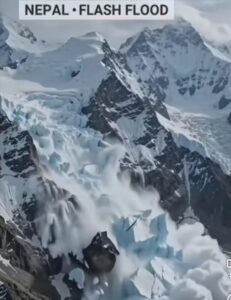
Unchecked Groundwater Depletion and Melting Glaciers: Severe Impact on Earth’s Stability
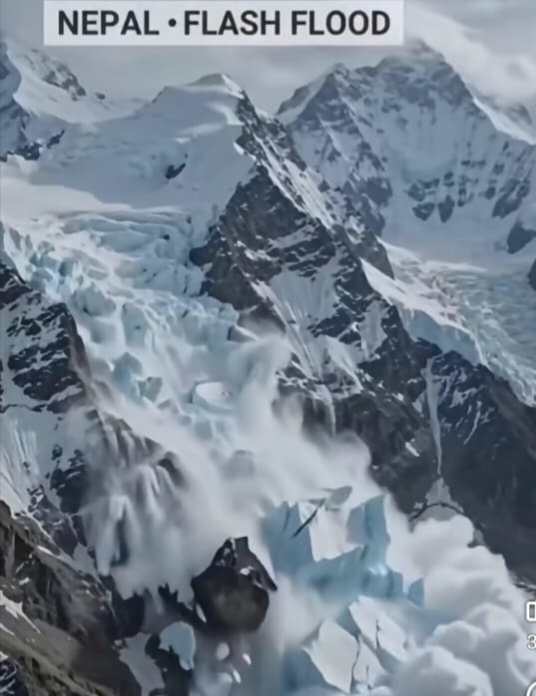
*Unchecked Groundwater Depletion and Melting Glaciers: Severe Impact on Earth’s Stability*
*— Melting Glaciers: The Impact of Climate Change*
*— Impact on Earth’s Stability: Land Subsidence and Earthquakes*
*— Changes in the Water Cycle: Intensification of Floods and Heatwaves*
*— The Role of Human Activities: Environmental Challenges Stemming from Deforestation, Urbanization, and Industry*
*— Article by: Ravibabu Pittala, Environmentalist*
Groundwater is water naturally stored within the pores and fissures of soil layers and rock formations beneath the Earth’s surface. Rather than existing as a single, massive “underground reservoir,” it occupies the myriad small voids and spaces within the soil and rock. When rainwater falls, a portion evaporates, some flows into rivers, and the remainder infiltrates the soil, gradually becoming groundwater. This water is primarily stored in two types of geological formations: the natural pores found in materials like soil, sand, and gravel (primary porosity), and the cracks, crevices, and fractures found in hard rock (secondary porosity). Geological formations that accumulate and store significant amounts of water are known as “aquifers”; these not only store water but also allow it to flow to some extent. Above these aquifers lies the “water table,” below which the ground is fully saturated with water. The process of water seeping into the ground is called “recharge,” which occurs through rainfall, rivers, lakes, and man-made recharge structures. Groundwater plays a pivotal role in the Earth’s natural balance, performing vital functions such as providing moisture to plant roots, sustaining river flows, and serving as a water source for human needs. However, if excessive amounts accumulate within the soil layers, it can damage the land in various ways, causing physical and chemical changes and even altering the geological landscape.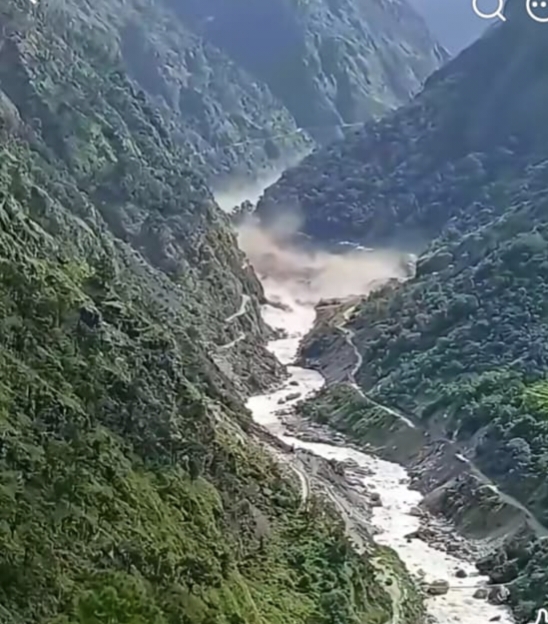
*The Groundwater System and Earth’s Natural Balance*
Groundwater refers to the water naturally stored within the pores of soil layers and rocks beneath the Earth’s surface. It plays a crucial role in maintaining ecological balance, revitalizing rivers, and providing moisture to tree roots. However, any substance is beneficial only within certain limits. According to general assessments, water is not merely a natural resource; it also acts as a fluid support (hydraulic support) for the Earth’s internal structure. When water levels remain within optimal limits, the ground surface stays safe and stable. However, if these water reserves increase uncontrollably or accumulate unevenly, the subsurface physical structure can be compromised, potentially leading to unforeseen geological disasters in the future.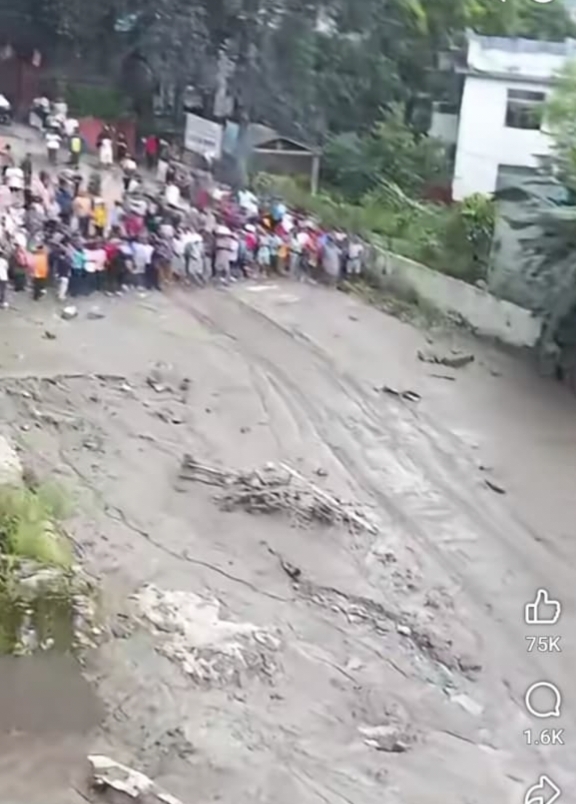
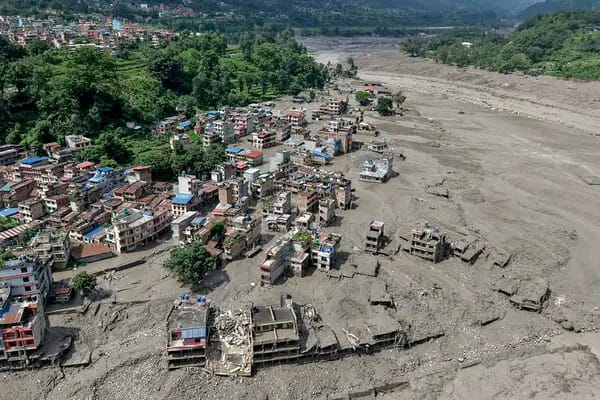
*Reduction in Soil Cohesion and Structural Weakness*
Ground stability relies fundamentally on load-bearing capacity and the internal bonding (cohesion) between soil particles. When groundwater accumulates excessively, the air pockets between soil particles become completely saturated with water. This significantly diminishes the natural friction and cohesive strength between the particles. As water content rises, the soil softens, causing the ground to lose its natural form and stability. Under these conditions, the ground’s ability to support the weight of heavy buildings, infrastructure, and bridges is reduced; consequently, there is a looming risk of structural collapse, even if the structures themselves are free of construction defects.
*Tendency to Erosion and Deep Sinkholes*
If high groundwater levels are constantly moving or flowing within the soil, they can carry away small particles of soil with them. This process is called subsurface erosion or piping. Over time, the erosion of the inner layers of soil can create large voids and tunnel-like structures. Although the ground appears normal from the surface, the loss of soil in the inner layers can cause the roof to suddenly collapse and create large sinkholes. This not only poses a serious threat to road safety, but also causes unexpected loss of property and life in rural and urban areas.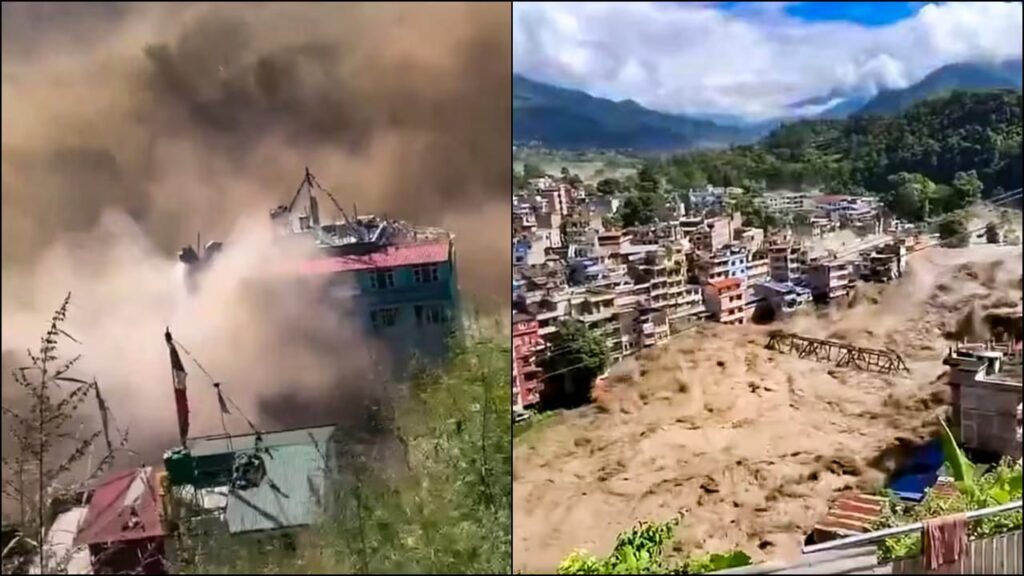
*Land subsidence and building collapse*
Land subsidence is accelerated by severe fluctuations in groundwater levels or excessive accumulation of water in one place. When the soil layers below the ground are subjected to extreme water pressure or when water reserves flow unevenly, the internal pressure becomes unbalanced. As a result, the soil layers above gradually begin to subside. This process causes the ground to tilt to one side, roads and railways to break in the middle, foundations of residential buildings to shift and large cracks to appear in the walls. This is becoming a major geological challenge for urban planning.
*Liquefaction Hazard and Earthquake Hazard*
One of the most dangerous geological processes encountered in areas with saturated groundwater reserves is “soil liquefaction”. When the water content in the soil exceeds the maximum limit, any small earthquake or severe tremor occurs, and the soil loses its rigidity completely due to the pressure. At that time, the soil begins to behave like a liquid rather than a solid. When liquefaction occurs, large structures, columns, and buildings on the ground can tip over or collapse within seconds, as if they were stuck in mud. The damage caused during earthquakes is doubled due to the presence of groundwater beyond the limit.
*Soil Fertility Degradation and Salinity Issues*
Excessive groundwater levels compromise not only the physical stability of the land but also its chemical balance and agricultural productivity. When the groundwater table rises very close to the surface, water ascends through capillary action. As the intense heat of the sun evaporates this water, the dissolved mineral salts remain in the topsoil layers. This leads to a drastic increase in the soil’s salt content (soil salinity). Consequently, soil fertility severely declines, air circulation to crop roots is obstructed, and conditions arise where seeds fail to germinate. Over time, there is a risk that even fertile lands could transform into barren, saline (alkaline) wastelands.
*An Analysis Using the ‘Sponge Principle’*
To easily grasp this complex geological concept, one can consider the example of a sponge. A dry or slightly damp sponge remains firm and capable of withstanding a certain amount of pressure and weight. However, if that same sponge is completely saturated with water, it becomes extremely soft and loses its structural integrity. Even the slightest pressure causes it to lose its shape, and it becomes incapable of bearing any load. Our land functions based on this very same sponge principle. While a moderate amount of water provides structural support to the soil, excessive water accumulation transforms the ground into a weak, shapeless sponge.
*Scientific Remedial Measures and Groundwater Management*
There is an urgent need to adopt comprehensive environmental and technical management strategies to address this critical issue. Rainwater harvesting methods that facilitate systematic storage—rather than pooling water in a single location—should be encouraged. Instead of indiscriminate groundwater extraction, balanced groundwater recharge should be ensured through the use of recharge pits. Water flow patterns and infiltration levels must be scientifically regulated through watershed management. Furthermore, planting trees with deep root systems helps bind the soil firmly, thereby preventing soil erosion and structural instability. We can achieve geological stability only through prudent water management.
*For example, a study of the Nepal flood disaster:*
If we look at the recent flood disaster in Nepal from a scientific perspective, it is not a sudden natural disaster but a combination of many natural and human causes. While heavy rainfall was the main cause, climate change caused more rainfall in a short period of time, rivers and streams lost their natural flow paths, ponds were encroached upon, and drainage systems were not properly installed. Deforestation and urbanization also caused the rapid accumulation of flood water. If we look at the characteristics of these floods, problems such as a sudden increase in water level in a short period of time, roads and houses were submerged, power and transport systems were disrupted, and drinking water was polluted. Many people lost their lives in this disaster; According to official estimates (which may vary by region), the death toll is estimated to be in the tens of thousands, hundreds of people have been displaced, and thousands of acres of crops have been destroyed. Overall, this event reminds us of the importance of early warning systems, sustainable urban planning, water resource conservation, and forest conservation, and clearly demonstrates the need to strictly implement scientific approaches to reduce such disasters in the future.
Uncontrolled groundwater reserves are becoming a complex geological and environmental problem that is seriously disrupting the natural balance of the Earth. Although groundwater generally plays a vital role in nourishing the Earth’s ecosystem, giving life to rivers, and maintaining soil moisture, its unbalanced growth or uncontrolled extraction weakens the internal structure of the Earth. Many geological hazards, such as the reduction of the natural cohesive force between soil particles, the decline in the carrying capacity of the earth, the formation of hollows through internal erosion, the subsidence of the earth due to land subsidence, and the increased risk of liquefaction during earthquakes, are interconnected and have a more severe impact. At the same time, the chemical imbalance in groundwater also increases salinization problems and agricultural lands lose their fertility, which becomes a threat to food security. If all these aspects are understood through the sponge theory, it becomes clear that while limited water gives strength to the land, excess water turns it into a weak and unstable system. Therefore, it is imperative to effectively implement scientific and sustainable groundwater management methods such as rainwater harvesting, recharge pits, watershed management, and tree plantation. Only through balanced water use and environmental awareness can we maintain the stability of the land and provide a safe and stable geographical environment for future generations. In order to reduce disasters like floods in mountainous areas like Nepal, it is essential for humans to live in balance with nature. In particular, forest conservation (reducing deforestation), controlling uncontrolled construction on hills, and protecting natural waterways (rivers, streams) from encroachment are key. To preserve biodiversity, measures to reduce soil erosion, including native plant breeding, wildlife conservation, and soil conservation, should be taken. Similarly, efficient use of natural resources through rainwater harvesting, eco-friendly agriculture, and public awareness can significantly reduce the severity of floods. We can provide a safe environment for future generations by protecting nature, not by plundering it.
*— Ravi Babu Pittala, Environmentalist, Former Assistant Professor, JNTUH, Hyderabad and Joint Secretary, Orugallu Wildlife Society, Telangana. Cell: 9849425271.*