Biodiversity–Wildlife Conservation–Human Responsibility
*Biodiversity–Wildlife Conservation–Human Responsibility*
*– A Public Awareness Programme on the Ooccasion of 72nd, “National Wildlife Week” to be held from 2nd to 8th, October*
*– Theme of 72nd, National Wildlife Week 2026: “Connecting Habitats, Thriving Wildlife”*
*– Priority programs for habitat connectivity, wildlife conservation and public participation*
*— Author: Ravi Babu Pittala, Environmentalist.*
*Importance of 72nd National Wildlife Week*
National Wildlife Week is a public awareness program held every year from October 2 to 8. It is not just a festival to showcase animals; it is an environmental education platform that reminds us of the interdependent relationship between human society and nature. Forests, grasslands, rivers, lakes, coastal areas, mangroves, mountains and urban green spaces together build ecosystems. In these systems, plants, animals, birds, insects, fungi, microbes and human communities are interconnected. The extinction of an organism in a region affects many organisms that depend on it. Therefore, wildlife conservation is not just about saving the tiger, elephant or leopard; it is about protecting their habitats, food chains, water sources, breeding grounds and migration routes. The 72nd week-long celebrations should promote environmental responsibility among the people through nature walks, bird watching, plant identification, waste clean-up, school competitions, village assemblies and scientific lectures. This awareness programme is not a one-day campaign but is organised by the government, forest department, people, NGOs, schools, social workers, environmentalists and environmentalists, either collectively or separately, with the important objective of leading to a change in lifestyle.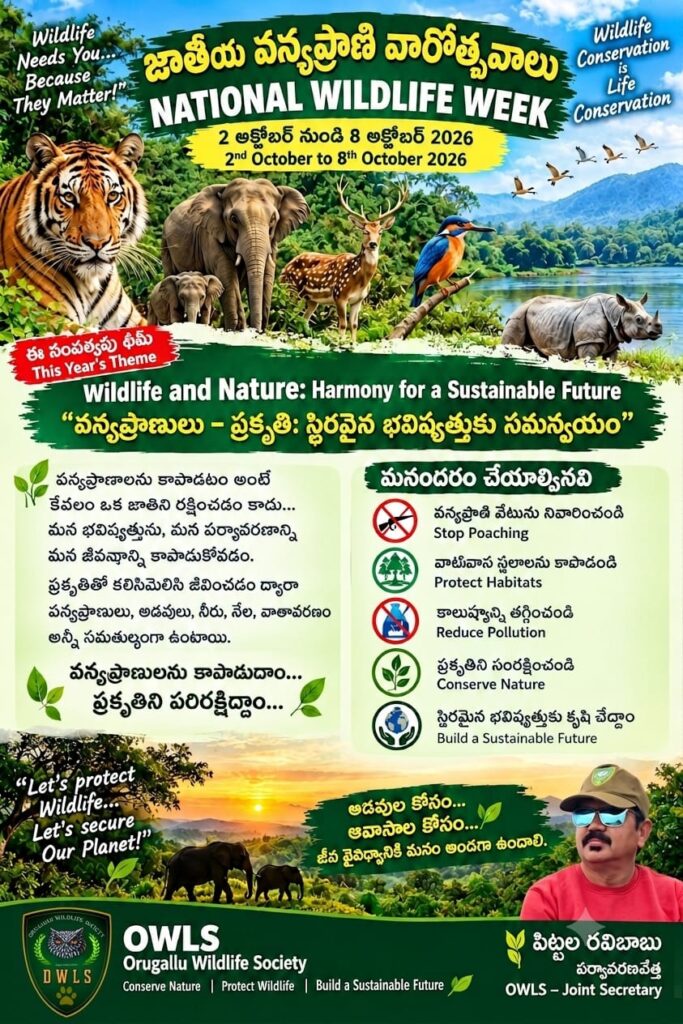
*2026 Theme: “Connecting Habitats, Thriving Wildlife”*
The theme “Connecting Habitats, Thriving Wildlife” has two key concepts: habitat connectivity and sustainable development of wildlife. Wildlife does not stay in the same protected area for its entire life. It travels from one forest to another for food, water, reproduction, migration and genetic exchange. The natural routes that serve this journey are called wildlife corridors. If these corridors are blocked by roads, railways, mines, industries, urbanization, agricultural expansion and fences, the chances of animals entering human settlements increase. Moreover, habitats that are fragmented into small forest patches decrease animal populations and genetic diversity decreases. Tigers, elephants, leopards, wild dogs, gaurs and many birds need connected territory. Therefore, buffer zones, forest paths, green bridges, underpasses, overpasses, riverbank greenways and native vegetation areas should be developed around protected areas. Connecting habitats is not just about planting trees; it is about restoring natural migration, food availability, water security and ecological connectivity.
*Biodiversity: Nature’s Security System*
Biodiversity is not just the number of living things; it is a comprehensive concept that includes genetic diversity, species diversity, and ecosystem diversity. Genetic diversity within a species increases its ability to withstand diseases, drought, temperature changes, and other environmental stresses. Species diversity stabilizes food chains and ecological processes. Ecosystem diversity contributes to water regulation, soil conservation, carbon storage, coastal protection, and climate balance. Apex predators like tigers and leopards control the number of herbivores. Bees, butterflies, and other insects pollinate. Birds, monkeys, and elephants spread seeds over long distances. Fungi, bacteria, and microbes break down dead matter and restore soil fertility. If these relationships are weakened, agriculture, drinking water, health, and the economy will be affected. Therefore, biodiversity is a kind of “insurance policy” for nature. Diversity helps prevent the complete collapse of the entire system if one organism is reduced. Preserving biodiversity means protecting the future security of humanity.
*Lifeline of forest ecosystems*
Forest ecosystems are much broader biological systems than just groups of trees. Trees convert sunlight into energy and make food; herbivores live on food, and carnivores on food. Microorganisms in the forest soil break down leaves, branches, and dead organic matter, returning nutrients to the soil. Tree roots reduce soil erosion and allow rainwater to infiltrate the ground. Forests store carbon and slow down climate change. Mountain forests protect the source areas of rivers, while mangrove forests protect coastal areas from storms, floods, and ocean waves. Forests provide honey, bamboo, lac, medicinal plants, fruits, seeds, and other forest products. The livelihoods of tribal and forest-dependent communities are linked to these resources. It is scientifically and socially wrong to view forests as mere timber reserves. In addition to the number of trees, natural regeneration, plant diversity, soil health, water availability, wildlife migration, and the livelihood security of local communities should be considered when assessing the quality of forests.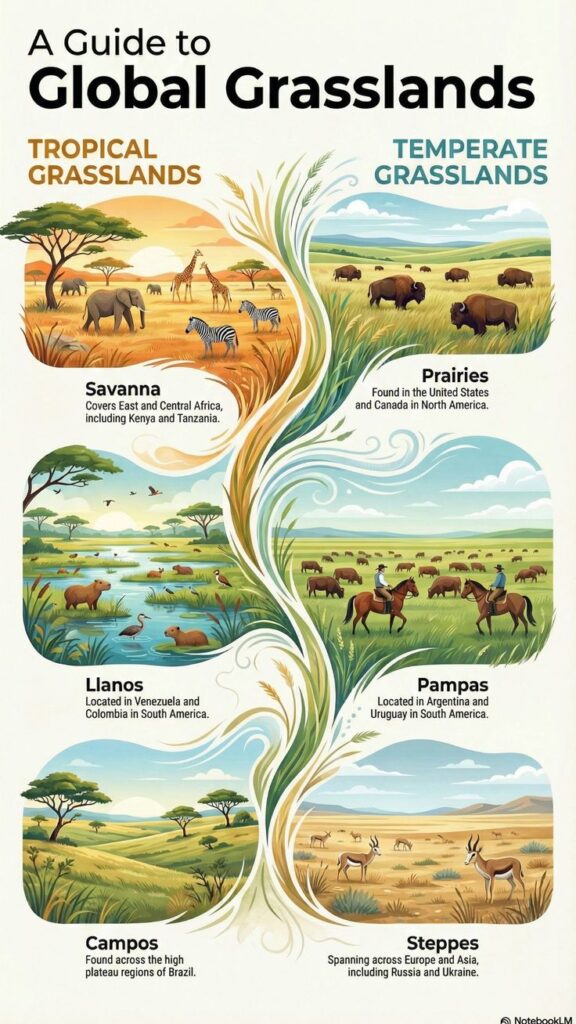
*Habitat fragmentation and climate change*
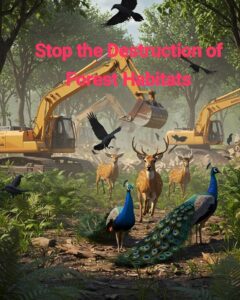
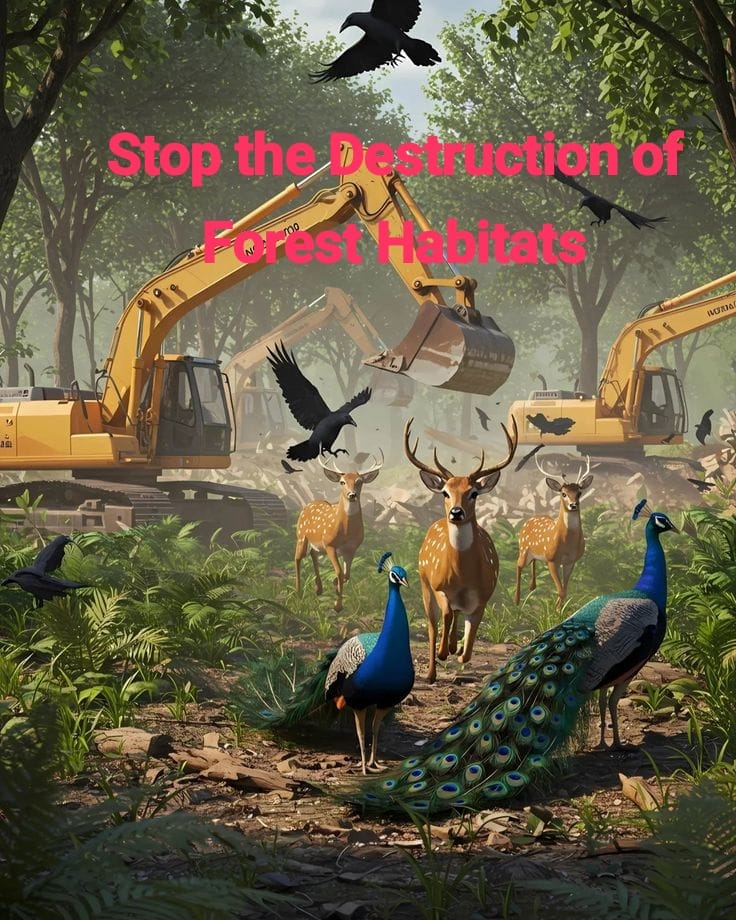
Habitat fragmentation is the most significant of the major threats facing wildlife today. Large areas of forest are being fragmented by roads, railways, mines, industries, dams, farms, and cities. When once-continuous forest is fragmented, animal movement is reduced; access to food and water sources becomes difficult. Inbreeding in small populations can increase, compromising genetic health. Climate change is exacerbating this problem. Rising temperatures, erratic rainfall, prolonged droughts, wildfires, water scarcity, and shifting flowering times are affecting the behavior of organisms. Some species are being forced to move to higher altitudes or new geographic areas. This leads to increased competition between new species, the spread of diseases and human-wildlife conflicts. The solution to this problem should be climate-friendly conservation plans, water resource restoration, forest fire early warning systems, restoration of native species and strict implementation of environmental impact assessments.
*Scientific restoration of wildlife corridors*
Wildlife corridors are biological pathways that connect two or more natural habitats. They can be physically narrow strips of forest, riverbanks, grasslands or natural paths between hills. Animals move between food, water and breeding grounds through corridors. The first step in protecting corridors is to scientifically map them. Camera traps, Global Positioning System (GPS) collars, footprints, dung samples, observations by local people, satellite imagery and Global Positioning System (GPS) analysis should be used to identify animal migration routes. Then, the roads, railways, power lines, fences and structures along those routes should be studied. Wildlife underpasses, overpasses, tunnels and natural bridges should be constructed where necessary. Native flora, natural grasses and water sources should be given priority in the restoration of corridors. A corridor cannot be created by simply planting trees; long-term monitoring should be done to see whether animals are using it, whether human interference has decreased and whether road accidents have decreased. Coordination between the forest department, local bodies, road-rail organisations and village communities is required in managing the corridor.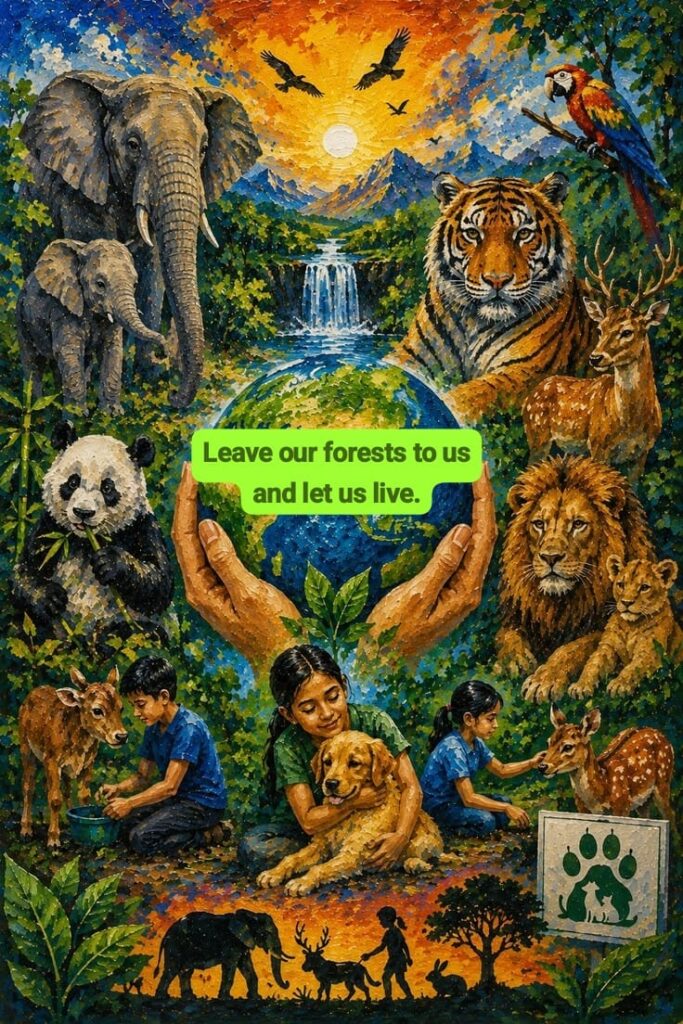
*Science, Technology and Research*
Technology plays a key role in modern wildlife conservation. Camera traps can track the numbers of tigers, leopards and other animals. GPS collars help understand animal movements, habitat range, corridor use and human-influenced areas. Drones can monitor wildfires, illegal logging, encroachment and the condition of animals in remote areas. Satellite imagery shows changes in forest cover, water resources and habitat fragmentation. Artificial intelligence-based image analysis can rapidly identify thousands of images recorded by camera traps. Temperature sensors, early warning systems and real-time information platforms for wildfires are useful. But relying on technology alone is not enough. Local knowledge, forest staff experience, scientific research and social information are equally essential. The data collected must be managed transparently, in accordance with privacy regulations and in a way that can be used to inform conservation decisions. The goal of technology is not to control nature; it is to better understand and protect nature.
*Participation of tribals and local communities*
Tribals, farmers and local communities living in the heart and fringes of the forest are natural partners in wildlife conservation. They can identify animal migrations, water sources, medicinal plants, forest fire risk areas and the effects of climate change through their own experience. This traditional knowledge can be linked to scientific monitoring to make conservation more effective. Conservation without respecting the rights of local people can lead to dissatisfaction and failure of programmes. Sustainable forest-based livelihoods, value-added products, local tree nurseries, ecotourism, nature guide training and alternative employment opportunities should be developed. However, ecotourism should not lead to over-commercialisation; it should preserve local culture, forest capacity and wildlife sanctuaries. Village councils should be involved in identifying corridors, protecting water resources, controlling wildfires and preventing human-wildlife conflict. When people are involved, conservation becomes a collective responsibility rather than an external mandate.
*Human-wildlife coexistence*
When habitat is reduced, wildlife may come closer to human settlements in search of food, water or safe passage. Incidents like elephants entering crop fields, leopards appearing on the edges of villages, and wild boars destroying crops are examples of human-wildlife conflict. The solution is not to capture and move animals indiscriminately; it is to address the land, water, food and corridor issues that are causing the conflict. Governments should identify conflict hotspots and provide early warning systems, rapid response teams, safe animal shelters, crop protection measures and rapid compensation. Villagers should not go into the forest alone at night, do not go in groups, do not throw stones and immediately inform the forest department when they see an animal. Keeping livestock in secure rooms at night, growing less attractive crops on the edge of the forest and setting up natural fences are useful. Coexistence does not mean ignoring the risks; Living with scientific precautions, immediate communication, and mutual respect.
*Cities, Ponds and Urban Biodiversity*
Wildlife conservation is not limited to forests. Parks, ponds, lakes, roadside green spaces, vacant lots and home gardens in cities provide habitat for many birds, frogs, butterflies, dragonflies, insects and small mammals. Urban water sources are polluted with garbage, sewage, plastic and chemical pollution, which can lead to a decline in local biodiversity. Urban planning should include biodiversity parks, pond buffer zones, green corridors with native plants and bird-friendly gardens. Growing native flowering plants in balcony gardens, providing clean water bowls for birds, reducing pesticide use and controlling night-time light pollution can help. Organisations such as the National Zoological Park organise nature walks on trees, birds, butterflies, dragonflies, spiders, amphibians and reptiles. Such programs engage citizens in citizen science and increase responsibility for urban nature. The various natural ecosystem biodiversity development programs of the *HYDRA* project, which the government has undertaken with a special focus in the state of Telangana, can be said to be an example not only for the country but also for the entire world, and to provide a guide to sustainable living assets for future generations.
*Pollution, Plastic and Waste Management*
Plastic bags, bottles, packaging materials, fishing nets, wires and other waste are a direct threat to wildlife. Animals can eat plastic, mistaking it for food; it can get stuck in the digestive tract and lead to death. Plastic mixed in water bodies affects fish, frogs, waterfowl and microorganisms. Pesticides, industrial chemicals and sewage can accumulate in the food chain and cause long-term toxic effects. Light and noise pollution can change the behavior of nocturnal animals, birds, insects and amphibians. It is necessary to segregate waste at source, reduce single-use plastic, do not litter in forests and ponds and follow a policy of taking it back to tourist areas. Hospital, industrial and sewage waste should not be discharged into natural resources without treatment. The concept of “Clean habitat means safe wildlife” should be reflected in every family, school, market and village panchayat activity.
*Youth, laws and collective action*
Youth and students are the main force for change in wildlife conservation. Schools and colleges should organize nature walks, bird counting, plant identification, biodiversity registers, photography, poster competitions, debates and cleanliness programmes. One activity can be taken up every day during the week of October 2–8: plant conservation, pond cleaning, identification of five birds, wildlife documentary, awareness speech in Gram Sabha, social media campaign and biodiversity quiz. However, legal awareness is also needed along with campaigning. The public should be aware of the Wildlife Protection Act, Forest Conservation Regulations, Protected Areas Rules and the ban on illegal wildlife trafficking. The government should strengthen law enforcement, scientific planning and compensation system. The forest department, local bodies, scientists, NGOs, tribal communities and citizens should work in coordination. Wildlife protection is not the responsibility of the government department alone; it is the responsibility of every individual to avoid wasting water, reduce plastic, grow local plants, do not buy illegal wildlife products and respect nature.
*If nature is protected, our future is protected*
The message “Save the forest wealth – let’s breathe life into the ecosystem” should not remain just a slogan but should be translated into action. Biodiversity, wildlife, forest ecosystems and human society are interdependent. If habitats are destroyed, not only the survival of wildlife but also water security, agricultural productivity, climate stability and public health are at risk. The main scientific message of “Connecting Habitats, Thriving Wildlife” is that to conserve animals, we need to comprehensively protect their habitats, migration routes, food chains and the livelihoods of local communities. The government must provide laws, funding and scientific governance; the forest department must provide effective monitoring; scientists must provide evidence-based solutions; NGOs must raise awareness; local people must be partners in conservation; every citizen must exercise environmental responsibility in their daily lives. When habitats connect, organisms migrate; when organisms thrive, the environment is balanced; when the environment is healthy, the human future is secure.
*“Prakriti Rakshati Rakshitha” — If we protect nature, nature will protect us.*
*— Ravi Babu Pittala, Environmentalist, Former Assistant Professor, JNTUH & Joint Secretary, Orugallu Wildlife Society (OWLS NGO) Telangana.*
Cell: +91 98494 25271.
eMail: [email protected]