Compassion Without Borders: A Global Pledge for Animal Dignity
*Compassion Without Borders: A Global Pledge for Animal Dignity*
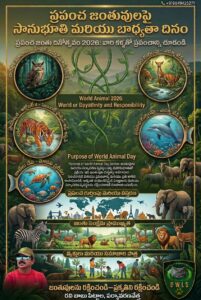
*— 2026 Theme: World Animal Day 2026: See the World Through Their Eyes*
*— One Planet, Many Voices: Listening to the Silent Cry of Animals*
*— From Empathy to Action: Walking in Their Pawprints*
*— Every Eye Tells a Story: Honouring Life on World Animal Day*
*— Not Just Observance, But Oath: A Day for All Living Beings*
*— A Day of Global Empathy and Responsibility*
*— Author: RAVI BABU PITTALA, Prominent Environmentalist.*
World Animal Day, observed every year on October 4, stands as a profound reminder of humanity’s shared responsibility toward the countless species that inhabit our planet. In 2026, this international observance carries the deeply reflective theme, *”See the World Through Their Eyes,”* inviting people to transcend human-centered thinking and attempt to understand life from the perspective of animals. This theme is not merely symbolic; it is a clarion call for empathy, awareness, and tangible action. Animals—whether wild or domesticated—experience the consequences of human activities in ways that often go unnoticed or ignored, from habitat destruction to climate change. World Animal Day serves as a vital platform to bring these issues to light and encourage meaningful change across societies. It unites individuals, organizations, and governments worldwide to advocate for animal welfare and rights with renewed urgency. By fostering compassion and understanding, this day inspires people to rethink their relationship with nature and all living beings. The 2026 theme strengthens this message by urging society to imagine how animals perceive their environment—what they feel, how they respond, and how human actions shape their existence. Ultimately, World Animal Day is about creating a more humane and sustainable world where all living beings are respected and protected.
*Theme 2026: Understanding Animal Perspectives*
The theme for World Animal Day 2026, “See the World Through Their Eyes,” emphasizes the importance of empathy in human-animal relationships. Animals perceive the world through senses and instincts that differ significantly from humans; while we rely heavily on vision and reasoning, many animals depend on heightened senses such as smell, hearing, and instinctive awareness. This difference in perception means that human actions, which may seem harmless, can have profound effects on animals. For example, loud urban noises can create stress for wildlife, while artificial lighting can disrupt natural behaviors such as migration and reproduction. The theme encourages individuals to consider these perspectives and make more conscious choices in their daily lives. It challenges society to reflect on how animals experience fear, safety, hunger, and comfort in environments increasingly shaped by human activity. Understanding these aspects is crucial in creating policies and practices that minimize harm and promote coexistence between species. The theme also highlights the interconnectedness of all life forms, reminding us that human well-being is closely linked to the health of animal populations and ecosystems. By adopting this perspective, people can develop a deeper sense of responsibility toward animals and the natural world. This shift in thinking is essential for addressing global challenges such as biodiversity loss and environmental degradation. Ultimately, the 2026 theme serves as a powerful tool for promoting compassion and encouraging a more harmonious relationship between humans and animals.
*Historical Origins of World Animal Day*
World Animal Day has its roots in the early 20th century, when German writer and animal welfare activist “Heinrich Zimmermann” initiated the movement in 1925. His vision was to create a global platform that would raise awareness about the importance of protecting animals and promoting their welfare. The first celebration took place in Berlin on March 24, 1925, where Zimmermann organized events at the Sports Palace to highlight the plight of animals and the need for compassionate treatment. Over time, his efforts gained momentum, attracting support from animal lovers and organizations worldwide. The movement was driven by the belief that animals deserve respect and protection, not exploitation. Zimmermann’s initiative marked a significant step in the evolution of animal rights advocacy, laying the foundation for future campaigns and policies. His work also emphasized the moral responsibility of humans to care for other living beings. As awareness grew, World Animal Day became more than just an event; it evolved into a global movement that continues to inspire change. The historical significance of this day lies in its ability to unite people from different backgrounds under a common cause. It serves as a reminder of how individual efforts can lead to global impact. Today, World Animal Day stands as a testament to Zimmermann’s vision and dedication to animal welfare, surviving even through the darkest periods of human history.
*Significance of October—4*
The choice of October—4 for World Animal Day holds deep symbolic meaning that resonates across cultures and faiths. This date coincides with the Feast Day of Saint Francis of Assisi, who is widely regarded as the patron saint of animals and ecology. Saint Francis was known for his compassion toward all living creatures and his belief in the interconnectedness of life. He treated animals with kindness and respect, considering them as part of a larger spiritual family. By aligning World Animal Day with his feast day, the movement reinforces the values of empathy and care for all beings. This connection adds a spiritual dimension to the observance, reminding people that compassion toward animals is not just a moral duty but also a reflection of humanity’s ethical and cultural values. The significance of October—4 extends beyond religious symbolism; it serves as a universal reminder of the importance of coexistence and respect for nature. Celebrating World Animal Day on this date encourages individuals to reflect on their actions and their impact on the environment. It also provides an opportunity to promote awareness and inspire change on a global scale. The alignment with Saint Francis’ teachings underscores the importance of compassion and reinforces the message that all life forms deserve dignity and protection. This date has become synonymous with animal welfare advocacy worldwide.
*Global Recognition and Expansion*
World Animal Day gained international recognition in 1931 during a congress of animal protection organizations held in Florence, Italy. This marked a turning point in the movement, as it expanded beyond its origins in Germany to become a global event. Since then, it has been celebrated in countries across the world, bringing together individuals, communities, and organizations dedicated to animal welfare. The global reach of World Animal Day highlights the universal importance of protecting animals and preserving biodiversity. Different countries observe the day in various ways, including awareness campaigns, educational programs, and conservation initiatives. Despite cultural differences, the underlying message remains the same: animals deserve respect and protection. The expansion of World Animal Day reflects the growing recognition of animal welfare as a critical issue in modern society. It also demonstrates the power of collective action in addressing global challenges. By uniting people from diverse backgrounds, the movement fosters collaboration and encourages the sharing of ideas and solutions. The international adoption of World Animal Day underscores its significance as a platform for advocacy and change. It serves as a reminder that protecting animals is a shared responsibility that transcends borders and cultures. Today, the day is observed in nearly every country, making it one of the most widely recognized animal welfare events globally.
*Official Artwork and Symbolism*
The official artwork for World Animal Day 2026, designed by illustrator “Emma Jayne Allsup”, carries a powerful message through its creative symbolism. The design features a fish-shaped lens inspired by the Coral Triangle region around Papua New Guinea, known for its rich biodiversity. This unique visual element represents the idea of seeing the world from the perspective of animals, particularly marine life. The fish-shaped lens acts as a metaphor for understanding how animals perceive their environment and the challenges they face. It encourages viewers to look beyond their own experiences and consider the struggles faced by other species. The artwork also highlights the importance of protecting marine ecosystems, which are among the most vulnerable to human activities such as pollution and overfishing. By focusing on the Coral Triangle, the design draws attention to one of the world’s most diverse and ecologically significant regions. The symbolism in the artwork aligns closely with the theme of the year, reinforcing the message of empathy and awareness. It serves as a visual reminder of the need to protect biodiversity and promote sustainable practices. The use of art as a medium for communication enhances the impact of the message, making it accessible and engaging for a global audience. This creative approach helps bridge the gap between human understanding and animal experience.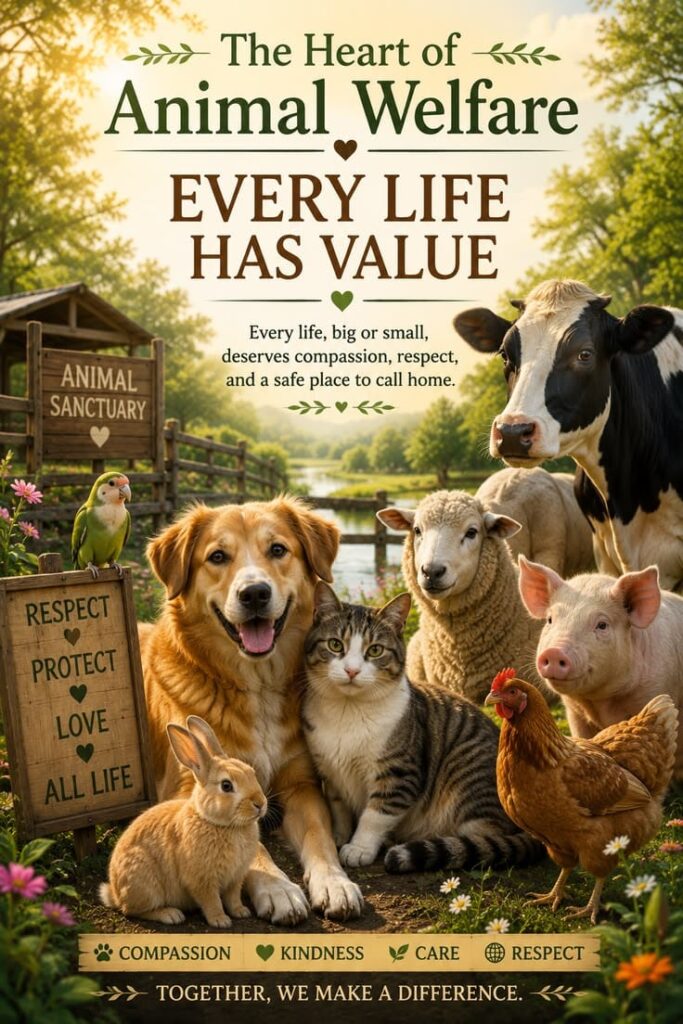
*Purpose of World Animal Day*
The primary purpose of World Animal Day is to raise awareness about the importance of animal protection, rights, and welfare. It aims to promote humane treatment of all species and encourage individuals to take action in their daily lives. This includes advocating for better laws, supporting conservation efforts, and adopting ethical practices in agriculture, pet ownership, and wildlife interaction. The day also highlights the role of animals in maintaining ecological balance and supporting human life through pollination, seed dispersal, and nutrient cycling. By bringing attention to these issues, World Animal Day seeks to inspire change at both individual and collective levels. It serves as a platform for organizations to share their work and for communities to engage in meaningful activities such as adoption drives, educational workshops, and fundraising events. The purpose extends beyond awareness; it is about creating a lasting impact that improves the lives of animals. This involves addressing issues such as cruelty, neglect, habitat destruction, and illegal wildlife trade. The day also emphasizes the importance of education in fostering a culture of compassion and responsibility. By promoting understanding and empathy, World Animal Day encourages people to make informed choices that benefit animals and the environment. Ultimately, its purpose is to create a world where animals are treated with respect and dignity.
*Human Impact on Animal Life*
Human activities have a profound impact on animal life, often leading to negative consequences that ripple through ecosystems. Deforestation, pollution, urbanization, and climate change are some of the major factors affecting animal habitats and survival. These activities disrupt ecosystems, reduce biodiversity, and threaten the existence of many species, pushing some toward extinction. Animals are forced to adapt to changing environments, often with limited success, as their natural habitats shrink or disappear entirely. The 2026 theme highlights the importance of understanding these impacts from the perspective of animals. It encourages individuals to consider how their actions affect other species and to take steps to minimize harm. For example, reducing plastic use can prevent marine animals from ingesting harmful materials, while protecting natural habitats can ensure the survival of wildlife. Addressing human impact requires collective effort and commitment from all sectors of society. Governments, organizations, and individuals must work together to implement sustainable practices and policies that prioritize animal welfare. By acknowledging the role of human activities in shaping the environment, society can take responsibility for its actions. This awareness is crucial in creating a more balanced and sustainable world. The theme serves as a reminder that the well-being of animals is closely linked to human behavior and choices.
*Importance of Animal Welfare*
Animal welfare is a critical aspect of creating a compassionate and sustainable society. It involves ensuring that animals are treated with respect and provided with conditions that allow them to live healthy and fulfilling lives. This includes proper care, protection from harm, and the preservation of natural habitats where animals can thrive. Animal welfare is not only an ethical issue but also an environmental one, as healthy animal populations contribute to the stability of ecosystems, which in turn support human life. The importance of animal welfare extends to various sectors, including agriculture, wildlife conservation, and urban development. By prioritizing the well-being of animals, society can promote sustainable practices that benefit both humans and the environment. The 2026 theme reinforces this importance by encouraging empathy and understanding. It reminds people that animals are sentient beings with their own needs and experiences. Recognizing this fact is essential in creating policies and practices that promote welfare across all domains. Education and awareness play a key role in achieving this goal by informing people about the importance of animal welfare. By spreading knowledge and inspiring action, World Animal Day helps build a culture where animals are valued and protected. Ultimately, it emphasizes that the treatment of animals reflects the values of society.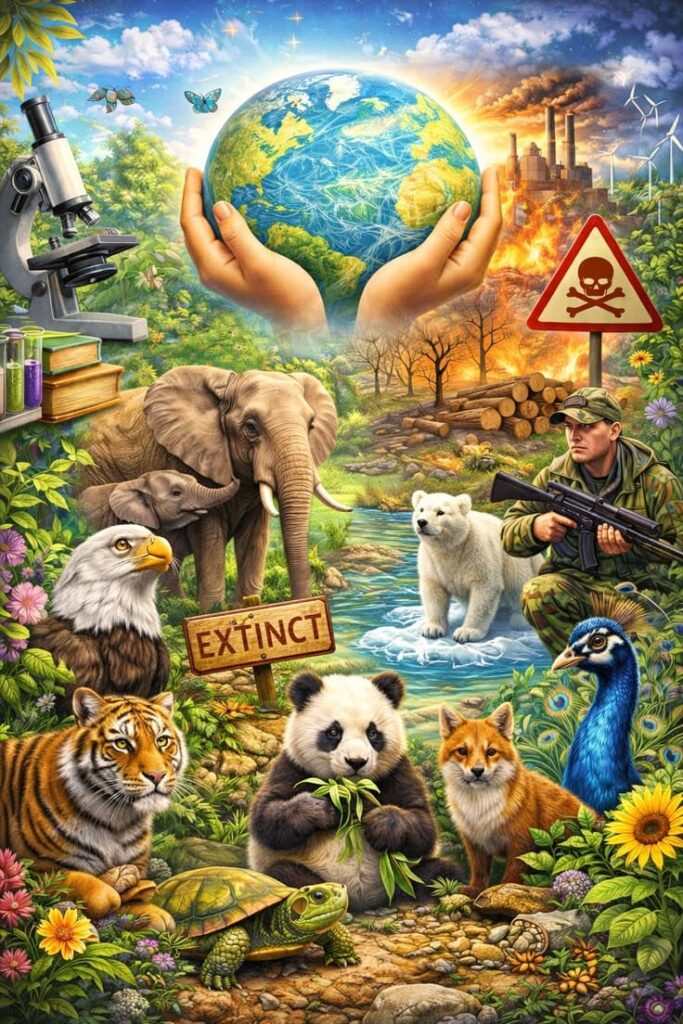
*Role of Individuals and Communities*
Individuals and communities play a vital role in promoting animal welfare and conservation efforts worldwide. While large-scale policies are important, everyday actions can also make a significant difference in the lives of animals. Simple steps such as adopting pets responsibly, reducing waste, supporting ethical products, and avoiding single-use plastics can contribute to the well-being of animals. Communities can organize awareness campaigns, educational programs, and conservation activities to spread the message of compassion and responsibility. The 2026 theme encourages people to think from the perspective of animals and make choices that minimize harm to their habitats and lives. This involves being mindful of how daily habits impact the environment and other species, from the food we consume to the products we purchase. Collective efforts can lead to meaningful change, as small actions add up to create a larger impact on animal welfare. Community involvement also fosters a sense of responsibility and connection to nature, inspiring others to join the movement. By working together, people can address local issues and contribute to global solutions for animal protection. The role of individuals and communities is crucial in building a culture of compassion and sustainability. World Animal Day provides an opportunity to strengthen these efforts and inspire others to join the movement.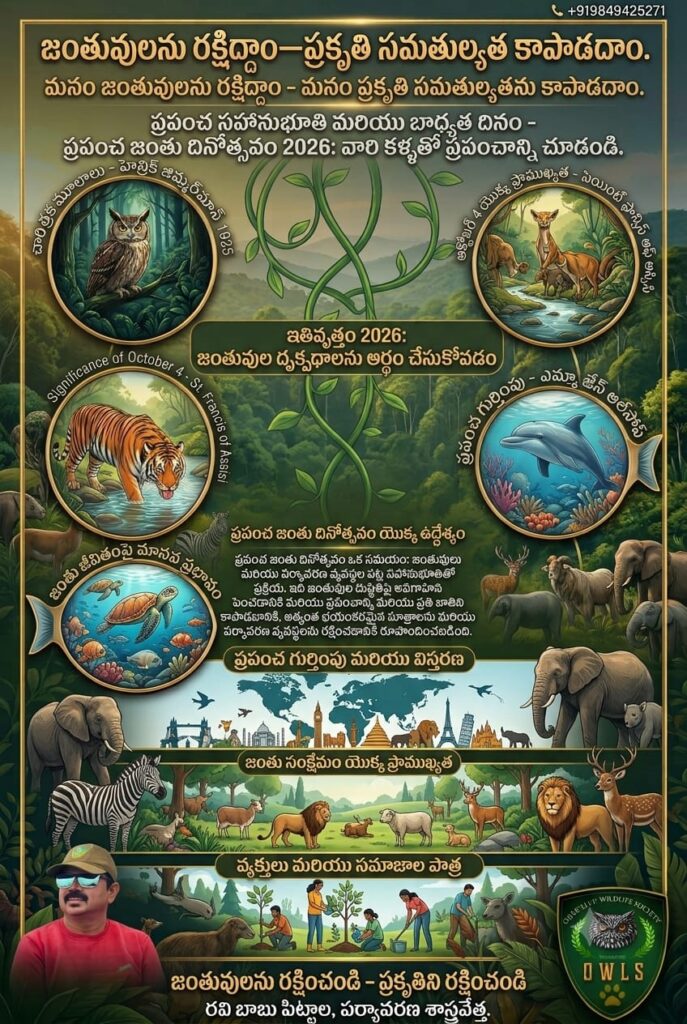
*Education and Awareness Initiatives*
Education and awareness are key components of promoting animal welfare and conservation efforts globally. World Animal Day serves as a platform for schools, organizations, and governments to educate people about the importance of protecting animals and their habitats. Awareness campaigns can highlight issues such as habitat loss, climate change, animal cruelty, and the illegal wildlife trade. Educational programs can teach individuals about the role of animals in ecosystems and the impact of human activities on biodiversity. The 2026 theme provides an opportunity to incorporate empathy into these initiatives by encouraging people to see the world through the eyes of animals. By fostering a deeper understanding of their needs and experiences, education can lead to more compassionate attitudes and behaviors toward all species. Awareness initiatives can also involve creative methods such as art, storytelling, and digital media to make the message more engaging and accessible to a wider audience. These tools can help bridge the gap between human understanding and animal experience. By spreading knowledge and inspiring action, education plays a crucial role in achieving the goals of World Animal Day. It empowers individuals to make informed decisions and contribute to a more sustainable future for all living beings. Schools and universities can integrate animal welfare topics into their curricula to nurture compassion from a young age.
*Towards a Harmonious Future*
World Animal Day 2026 is a powerful reminder of the need for compassion, responsibility, and action in our relationship with animals. The theme “See the World Through Their Eyes” encourages humanity to adopt a more empathetic perspective and recognize the impact of its actions on other species. By understanding how animals experience the world, people can make more informed and ethical choices in their daily lives. This shift in perspective is essential for addressing global challenges such as biodiversity loss and environmental degradation. The importance of World Animal Day lies in its ability to inspire change and promote a culture of respect for all living beings. It serves as a call to action for individuals, communities, and governments to work together in protecting animals and preserving ecosystems. By embracing the values of empathy and sustainability, society can create a future where humans and animals coexist in harmony. This vision requires commitment, collaboration, and continuous effort from all sectors of society. Ultimately, World Animal Day is not just a celebration but a commitment to building a better world for all species. It challenges us to imagine a future where every animal is treated with dignity and respect. Through collective action and compassionate choices, we can create a world where all living beings thrive.
*”Save Animals—Save Nature”*
*— RAVI BABU PITTALA*
*Environmentalist, Former Asst. Professor, JNTUH, Hyderabad* and *Joint Secretary, Orugallu Wildlife Society NGO, Telangana.* Contact: +919849425271,
Mail: [email protected]