Measures to be Taken to Prevent Human-Wildlife Conflict
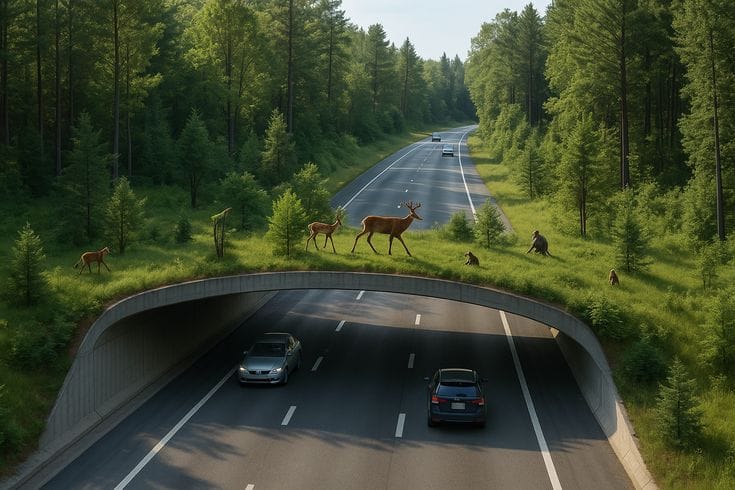
*Measures to be Taken to Prevent Human-Wildlife Conflict*
*— Article written by: Ravi Babu Pittala, Environmentalist
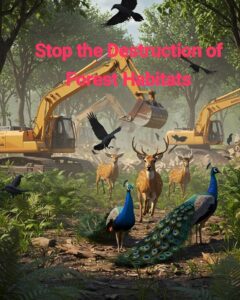
Human-wildlife conflict is increasing due to deforestation, expansion of human settlements, encroachment of agricultural lands, roads, railways, mines and industries into the natural habitats of wildlife. In addition to damage to crops, livestock, houses and human lives, wildlife is also being injured or killed. To control this problem, the Central and State Governments are taking measures based on scientific monitoring, early warnings, rapid response, protection of corridors, compensation and public participation.
*National Policies and Guidelines*
The Ministry of Environment, Forest and Climate Change has issued guidelines for states and union territories on management of human-wildlife conflict. These include inter-departmental coordination, identification of conflict hotspots, standard management procedures, formation of rapid response teams and prompt compensation to victims. The guidelines issued in 2021 and the guidelines issued in 2022 for managing conflicts, including crop damage, are the basis for this policy.
*Identification of conflict hotspots*
The Forest Department, Revenue, Agriculture, Police, Railways, Power and Panchayat departments should jointly identify conflict hotspots. Details of past attacks, crop damage, animal movements, water sources, village locations and roads will be collected and maps will be prepared. Risk areas will be scientifically identified with the help of GIS, satellite images, camera traps and GPS collars. Area-wise action plans will be prepared based on these hotspots.
*Early warning systems*
People should be informed through SMS, mobile apps, sirens, public announcements, WhatsApp groups and helplines when elephants, leopards, bears or other wild animals come near villages. Local communication systems should be set up so that villagers can inform the forest department as soon as they spot an animal. Early warnings can help reduce casualties, especially in elephant-prone areas, railway tracks and forest edge villages.
*Rapid Response Teams*
One of the government’s key initiatives is to set up Rapid Response Teams in each conflict area. These teams will consist of forest officials, veterinarians, trained personnel, police and, if necessary, disaster management personnel. They are responsible for rescuing injured animals, evacuating people to safer places, controlling crowds and diverting the animal back to the forest. In dangerous situations, people should inform these teams instead of chasing the animal away themselves.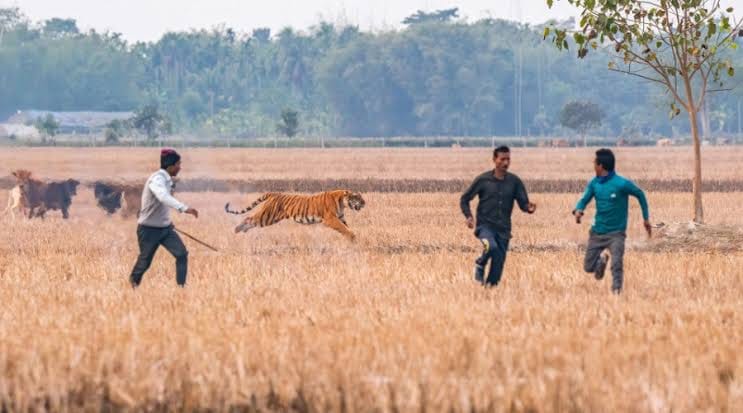
*Protecting wildlife corridors*
Elephants, tigers and other animals need corridors to move between forest areas. If corridors are built with structures, roads, railways, mines or power lines, the risk of animals moving towards human settlements increases. The government should include wildlife corridors in land use planning and protect them legally. Official guidelines suggest identifying obstacles in corridors through Geographic Information Systems and remote sensing.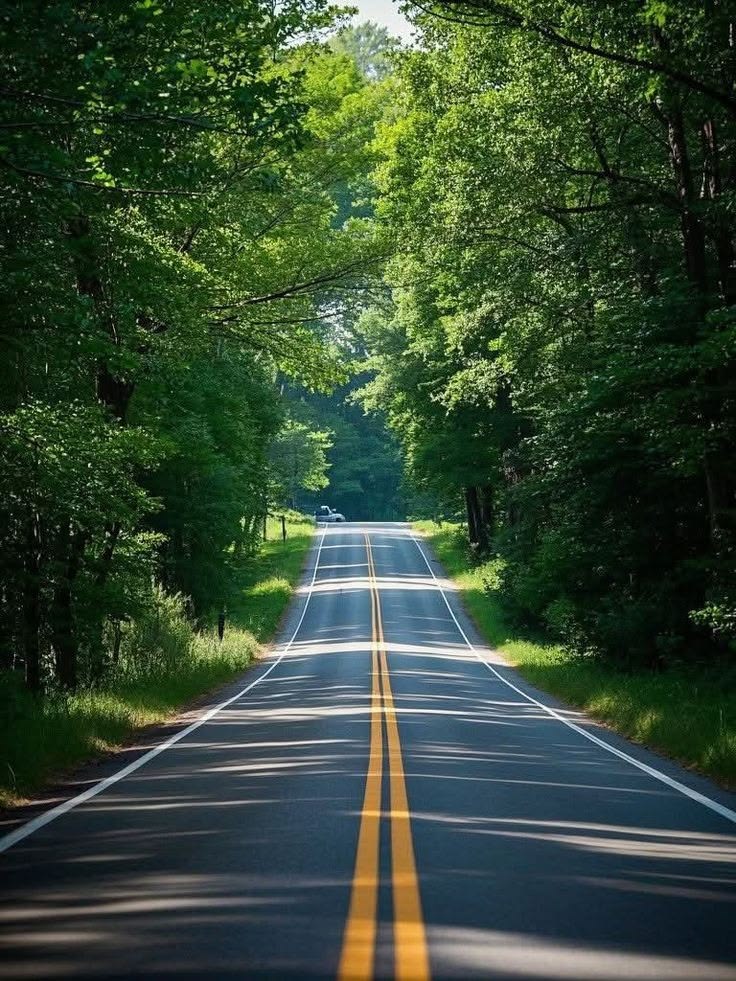
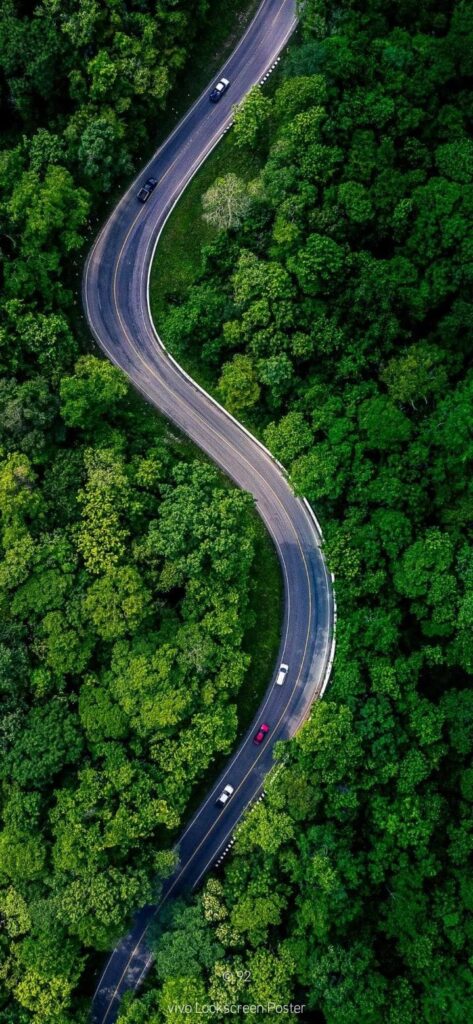
*Forests—Roads—Wildlife Movements—Conservation*
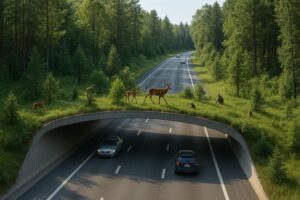
In India’s diverse geographical conditions—Himalayan hill ranges, Western Ghats, Eastern Ghats, Central Indian forest zones—when six- and eight-lane highways, thermal, and hydro projects are built in the name of development, habitat fragmentation of wildlife habitats is a major problem. In this context, many measures should be taken scientifically and based on modern technology for wildlife conservation. It is especially imperative to establish “wildlife crossings” on roads—which are in the form of underpasses and overpasses (eco-bridges) to help animals cross the road safely. To identify animal movements, migration routes should be mapped through GPS collaring, camera traps, and drone surveys, and special routes should be developed in those areas. Noise barriers along the roads and light pollution control measures can be taken to reduce disruption to animal behavior. Speed control zones and sensor-based animal detection systems provide advance information to motorists. In hilly areas, slope stability, natural drainage and afforestation with native species should be ensured in road construction. In addition, land-use planning (landscape-level planning) should be followed to ensure the continuity of “wildlife corridors” between forests. Only when scientific planning, modern technology and strict law enforcement come together can a balance between development and wildlife conservation be achieved.
*Safety on roads and railways*
Underpasses, overpasses, tunnels and bridges should be constructed in wildlife migration areas. Speed limits, warning boards, night patrols and early warning systems for drivers should be established on railway lines. Risks to elephants, birds and other animals can be reduced by placing power lines at a safe height or by converting them underground. New roads, railways and industries should be scientifically assessed for their impact on wildlife before permission is given.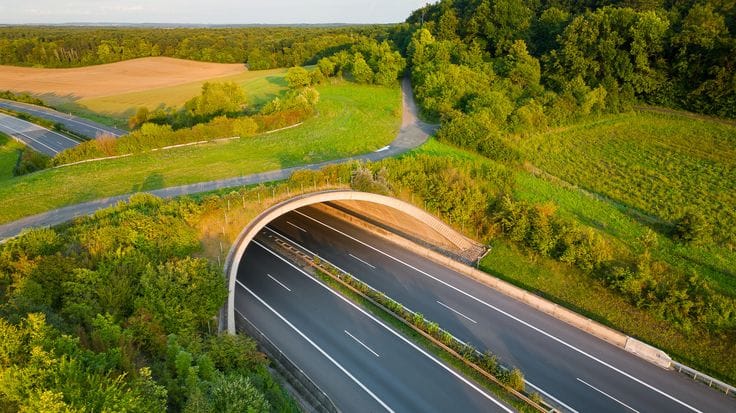
*Habitat Development*
Developing natural waterholes, check dams, small reservoirs and grazing areas in forests can reduce the need for animals to come towards villages. Restore native flora and increase natural food sources. However, deliberately feeding animals or creating artificial water sources near villages should be avoided; this can lead to their habituation to human habitation. Improving the quality of forest habitats is important for a long-term solution.
*Changes in agricultural practices*
In forest fringe areas, crops that attract animals can be replaced with chilli, lemongrass, khas grass, lemon and some cash crops. Agroforestry, solar fences, bio-fences, bee fences and crop diversification can be used. Central guidelines encourage mixed farming patterns with trees and shrubs and crops that are less attractive to wildlife in forest edge areas.
*Compensation and Financial Assistance*
State governments provide compensation for death, permanent disability, injuries, crop damage, loss of livestock and property damage in wildlife attacks. As per the Central Government guidelines, states should take steps to provide temporary relief in case of human death or serious injuries at the earliest, and wherever possible within 24 hours. The compensation model suggested in 2024 mentions amounts like ₹10 lakh for human death or permanent disability, ₹2 lakh for serious injuries and treatment cost for minor injuries; actual payments will depend on the state norms.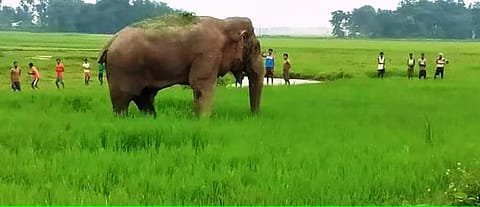
*Participation of local people*
Tribals, farmers and people of forest fringe villages should be involved in conservation programmes. Incidents can be identified early with the help of village level wildlife friendly groups, monitoring committees, NGOs and panchayats. Safety rules such as not going alone to the forest at night, not chasing animals in groups, not throwing garbage in the forests should be propagated through schools, village councils and farmer training centres.
*Law enforcement and monitoring*
Strict action should be taken against illegal hunting, poisoning, electric fences, illegal electricity connections and illegal trafficking of wildlife products. Along with the forest department, the police, railways, power department, highways agencies and local administration should work in coordination. State and district level committees should review the incidents of conflict and decide on compensation, preventive measures and future plans. The central government is also prioritizing inter-departmental coordination, scientific monitoring and cooperation between states.
A single measure is not enough to prevent human-wildlife conflict. Identification of hotspots, early warnings, rapid response teams, protection of corridors, road-railway security, development of forest habitats, crop rotation, rapid compensation and public participation should be implemented comprehensively. Conservation does not mean only protecting wildlife; Protecting people’s lives, livelihoods and safety is also important. Wildlife conservation with human safety is only possible when government, local communities, scientists and NGOs work together.
*Protection of Forests – Economic Protection of the Country*
*— Ravi Babu Pittala, Environmentalist, Former Assistant Professor, JNTUH & Joint Secretary, Orugallu Wildlife Society (OWLS NGO) Telangana.*
Cell: +91 98494 25271.
eMail: [email protected]