*Life of the Indian Roller — A Threat to the Culture of Dussehra Festival*
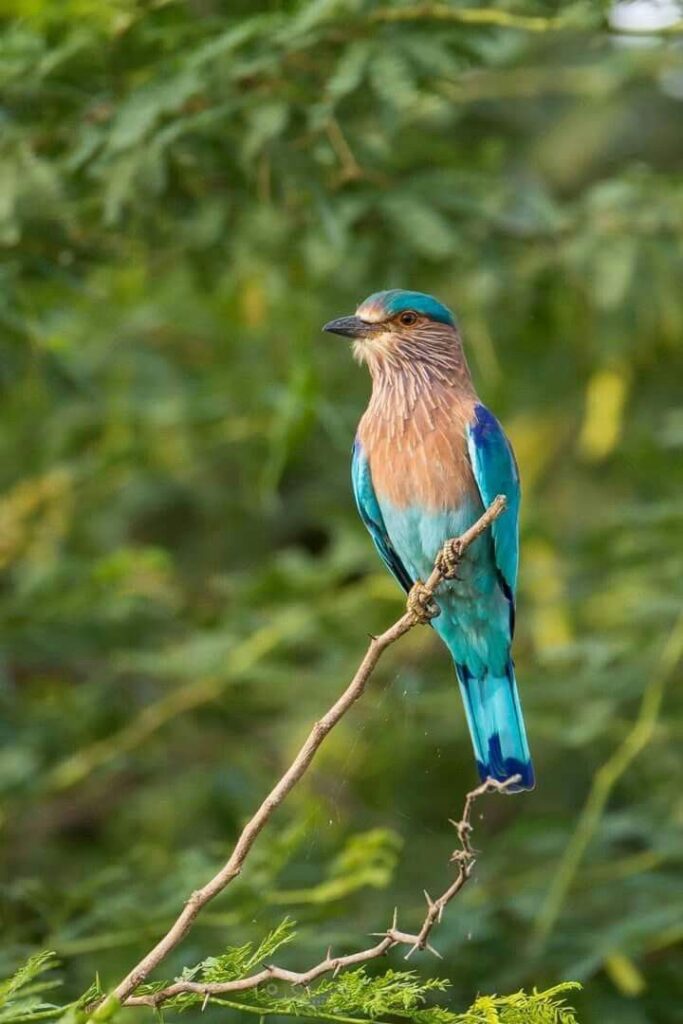
*Life of the Indian Roller — A Threat to the Culture of Dussehra Festival*
*What does it mean for our culture if Dussehra is not celebrated?*
*Is Indian Roller confined? Keeping it in a cage a crime*
*Expansion of commercial crops – Impact on agricultural biodiversity*
*Bird survey data is a warning for the decline of Indian Roller!*
*Nature conservation is the foundation for the conservation of fruits*
*Article: Pittala Ravibabu, Environmentalist.*
*Indian festivals born in the lap of nature – the source of life for our culture*
Indian culture has an inseparable connection with nature. Our ancestors considered nature not just a wealth of resources, but also a mother who is the basis of life. Customs such as worshipping trees, worshipping rivers as sacred, respecting animals and birds as divine forms, and celebrating the changes of seasons in the form of festivals are evidence of that love of nature. The joy of harvest, gratitude for rain, decoration with flowers, devotion to ponds, hills and forests all speak volumes about the place given to nature in our festivals. Elements of nature can be seen everywhere in festivals like Sankranti, Ugadi, Bonalu, Dussehra, Deepavali, Bathukamma and Vinayaka Chavithi and so on. The joy of harvest, gratitude for rain, decoration with flowers, devotion to ponds, hills and forests all speak volumes about the place given to nature in our festivals.
However, today, the external pomp of festivals, plastic decorations, POP idols, overused sound systems, chemical dyes, and excessive electricity consumption are blurring the true essence of festivals. While worshipping nature, polluting nature and destroying its habitats is against our tradition. The right to use nature is not limited to humans alone. All living beings have an equal right to live on this earth. A festival is not just a celebration of joy; It is a message of life passed down from generation to generation to live in harmony with nature. For our festivals to reach future generations, the trees, water, air, soil, birds, and insects that give them life must also be safe. Their role in nature, their biodiversity, are important to every living being. Only if we recognize their importance and protect and respect nature, the sanctity, tranquility, and existence of festivals will remain.
*Dussehra Festival – Spirituality and Cultural Importance of Palapitta Darshan*
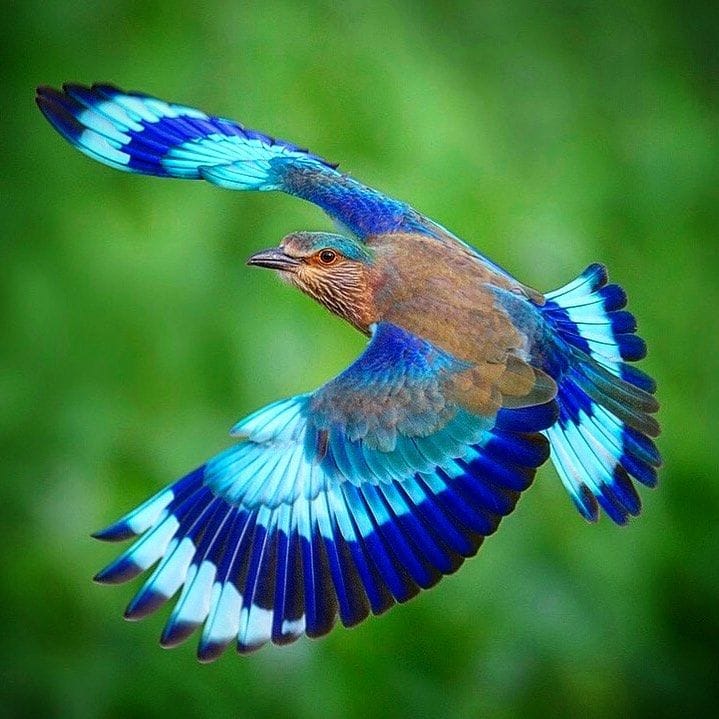
The Dussehra festival has a special cultural importance in Telangana. On the day of Vijayadashami, the worship of Jammichettu, blessings of elders, gathering of relatives, and exchange of good wishes have been going on for generations. People also believe that seeing Palapitta (Indian Roller (Coracias benghalensis)) Darshan is auspicious. The Telangana government has recognized Palapitta as the state bird; the people’s belief that its darshan on the day of Dussehra is an auspicious sign has also been officially stated. But this belief should be understood in the right perspective. Catching a milkweed, displaying it in pavilions or temple pavilions, and disturbing its nests is not auspicious; it can cause severe pain, stress, and loss of life to the bird. The Telangana Forest Department has also clearly warned against trapping and displaying milkweed during Dussehra. The real auspiciousness is not just in seeing the bird; it is in behaving in a way that allows it to live freely and safely. To preserve the tradition of milkweed viewing, it is our duty to protect its trees, fields, grasslands, and food sources throughout the year.
*An Indian Roller Habitat – Its Role in Ecological Balance*
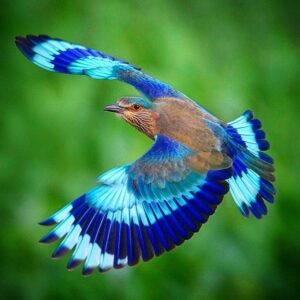
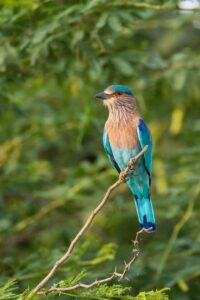
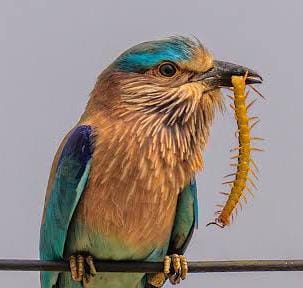
This beautiful bird with a mixture of blue, brown, and green colors is the state bird of Telangana. It is usually found in agricultural lands, open grasslands, thickets, and rural areas with trees. It sits motionless on roadside trees and wires, waiting for food. Most of the Indian Roller diet consists of insects. It feeds mainly on insects such as caterpillars, beetles, grasshoppers, and grasshoppers; it also occasionally eats small reptiles and frogs. It is therefore a beneficial bird that contributes to natural pest control in agricultural ecosystems. The decline in Indian Roller numbers is not just a problem for a single bird species; it is also an indicator of the impact on the balance of insects in the fields, the food chain, and biodiversity. Indian Roller numbers are low in an area, many factors such as food availability, nesting trees, pesticide use, and land use changes should be scientifically examined. Protecting the Indian Roller means protecting its ecosystem.
*Chemical pesticides – an invisible toxic threat to bird life*
Pesticides are necessary in agriculture to reduce crop losses. But their use, more than necessary, without scientific recommendations, or in high doses, is dangerous. Pesticides can affect not only the target insects but also bees, subterranean microorganisms, and other insects that birds eat. When birds eat poisoned insects, the chemicals can enter the birds’ bodies. The effects vary depending on factors such as the nature of the chemical, the dose, the bird species, and the exposure period. In some cases, birds may experience behavioral changes, reproductive problems, food shortages, and death. Therefore, the approach of completely eradicating insects from fields is not right. Integrated crop protection, biological control, crop rotation, and the use of pesticides only when necessary at recommended doses are necessary. Farmers should be educated on bird-friendly farming practices. If nature is threatened in the name of protecting crops, it will be detrimental to agriculture in the long run.
*Treeless Fields – The Natural Habitat of the Milkweed That Is Disappearing*
In the past, trees, shrubs, and natural fences were common on the edges of fields in rural areas. They served as resting places for birds, branches to wait for food, and nesting opportunities for some species. Fields with open spaces, trees, and insects are suitable habitats for birds like the Indian Roller. But due to agricultural mechanization, land expansion, roads, construction, and land conversion for commercial purposes, trees and shrubs on the edges of fields are decreasing. Treeless fields may be useful for crop production; but they also provide shelter for birds, insects, and other creatures. The solution to this is not to remove all trees; it is to plant native trees on the edges of fields, preserve old trees, and erect natural fences. The farmer’s field should become a source of life not only for crops, but also for other creatures in nature. Only then will birds like the Indian Roller be seen flying freely between our fields.
*Expansion of commercial crops – Impact on agricultural biodiversity*
Agriculture is not just about food production; it is a living system in which soil, water, plants, insects, birds and microorganisms are interdependent. Once upon a time, diverse crops such as sorghum, millet, sorghum, yam, lentil, millet, and vegetables were cultivated. Currently, due to market demand, prices, water availability, and cultivation costs, there has been an increase in the trend towards commercial crops such as rice, cotton, chili, and onion. Cultivation of commercial crops is not wrong. However, extensive cultivation of the same type of crop, reduction of crop diversity, and removal of natural vegetation in the fields can reduce food and shelter for some organisms. Practices such as crop rotation, mixed crops, cultivation of legumes, and growing native plants on the edges of fields can improve agricultural biodiversity. Balanced agricultural practices that maximize environmental benefits while protecting farmers’ economic interests are needed. Agriculture without a place for nature becomes a challenge to soil health, natural pest control, and bird survival in the long run.
*Destruction of forests – a threat to the existence of wildlife and birds*
Forests are not just groups of trees; they are home to many species of plants, animals, birds and insects. If natural habitats are destroyed due to factors such as deforestation, mining, roads, construction, and agricultural expansion, the survival of the organisms living there is affected. Some wildlife, deprived of food, water, and shelter, migrate to villages, farmlands, and urban areas. However, deforestation cannot be the only reason for the decline of every bird species or every wildlife. The effects vary depending on the needs of each species. Although the Indian Roller is commonly found in open agricultural areas, the loss of native trees, nesting sites, and food sources can affect its survival. Therefore, in addition to conserving forests, we should also protect the natural vegetation of rural forests, hills, grasslands, ponds, and field edges. Every habitat in nature has a special value. Saving forests means securing the future of not only the creatures living there, but also the human society.
*Is it tradition to trap an Indian Roller bird? Keeping it in a cage is a crime!*
In Telangana, watching an Indian Roller (Coracias benghalensis) bird on Vijayadashami continues to be a tradition. However, it is worrying that some people, in the name of this tradition, are catching an Indian Roller birds and locking them in cages, showing them to the public to collect money, and taking advantage of sentiment to gain financial benefits. Indian Roller is a wild bird that should roam freely in nature. It is not right to think that we are following tradition by capturing it and showing it to the public. Watching an Indian Roller bird may be a tradition; but capturing, catching, selling or using it for commercial purposes may be illegal. According to the Wildlife (Protection) Act, 1972, which is in force in India, acts such as hunting, illegal capture, keeping, confining, caging, transporting and selling protected wild animals may be considered as legal offences. The punishments are determined depending on the protection provisions applicable to the wild animal, the relevant schedule and the nature of the offence. Therefore, I request that special surveillance teams be formed in coordination with the Forest Department and the Police Department to prevent acts such as catching, trapping, caging, illegally moving, storing, supplying and selling wild animals from one place to another during the Dussehra festival. On the day of the festival, inspections should be conducted at important intersections, rural areas, markets and places where people gather in large numbers, and if it is found that wild animals are being displayed or illegal trade is going on, cases should be registered as per the law and appropriate action should be taken. If the public also notices such incidents, they should inform the relevant forest officials. True worship of nature is not about worshipping a bird in a cage, but about enjoying the sight of a bird flying freely in nature. Let us celebrate Dussehra by respecting the law and protecting nature, without taking away the freedom of mute creatures in the name of tradition. Saving the bird is about saving our culture, biodiversity, and the natural heritage of future generations!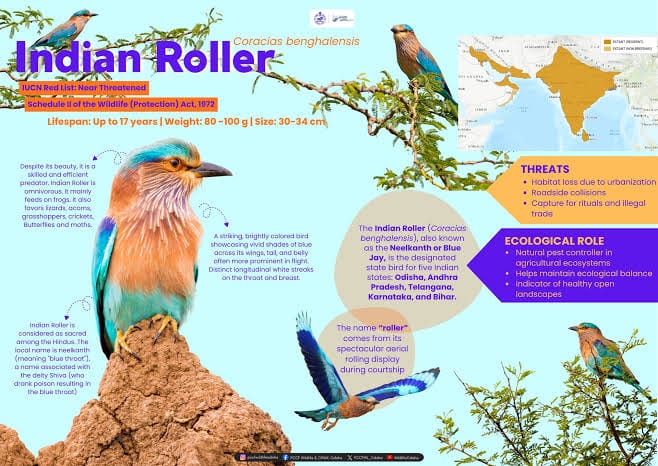
*Relationship between monkeys and birds – Scientific observation*
In some areas, monkeys are seen entering villages, agricultural lands, and urban areas due to the reduction of food, water, and habitat in forests. Monkeys are omnivorous creatures; they eat fruits, leaves, seeds, and insects. In some cases, they may even eat bird eggs or chicks. The problem of bird eggs and chicks posing a threat should be understood from a scientific perspective. Measures should be taken to conserve forests, restore natural food sources, protect the natural habitats of wildlife, and reduce human-wildlife conflict. Torturing or killing monkeys is not the solution. Every living thing has a place in the ecosystem. Instead of viewing one race as an enemy in the name of protecting another race, we need to understand the relationships between them and implement comprehensive solutions.
*Are the numbers of Indian Roller declining? – Observation, research, citizen participation*
Some people may think that Indian Rollers are not as common as they used to be on Dussehra. Such local observations can be useful in raising awareness of environmental changes. However, it is not possible to conclude that their numbers have decreased or are disappearing based on the absence of birds in an area for one or two days. To know the changes in bird populations, repeated surveys should be conducted in the same area, with the same methods, and at specific periods of time. But bird density surveys indicate that species are disappearing. This Indian Roller is on the list, which is a testament to that. By recording details such as dates, locations, numbers of Indian Roller sightings, availability of trees, nature of crops, and pesticide use, useful information can be collected at the local level. Bird watchers, students, voluntary organizations, the forest department, and the agriculture department can work together to conduct citizen science programs. Measures such as identifying and protecting nesting trees, informing the relevant authorities about activities that harm birds, and recording bird photos and observations with date and location can be useful. Only when scientific evidence, local experiences, and public participation come together can we understand the real situation of the roller and take effective conservation measures.
*Bird survey data is a warning about the decline of roller!*
The Indian Roller (Coracias benghalensis), which has a special association with the Dussehra festival, is now a serious concern in terms of conservation. According to the State of Indian Birds updated analysis, based on about 4.8 crore observations recorded by birdwatchers across the country on the e-Bird platform, the status of 942 bird species has been assessed; of these, the long-term population trend of the roller indicates a decline of about 41.52% and the recent annual trend of about 3.77%. Although these are scientific estimates based on citizen science observations rather than direct population counts, they provide a clear warning that this once common bird is gradually declining. As a result, the International Union for Conservation of Nature (IUCN) upgraded the Indian Roller from ‘Least Concern’ to ‘Near Threatened’ in 2025. Indiscriminate use of pesticides in agricultural lands, cutting of trees on field edges, degradation of grasslands and shrubs, reduction of insect prey, and electrocution from electric wires have been identified as threats to its survival. In addition, activities such as catching, caging, and displaying milkweed in the name of Dussehra tradition can cause severe stress and loss of life to the bird; the Forest Department has also issued a warning against such displays. Although the Indian Roller is still found in a wide area, it is dangerous to ignore this decline trend. It is auspicious to see it from a distance on Dussehra; protecting its trees, fields and natural habitats is the real worship. Watching the milkmaid is a tradition… It is the responsibility of all of us to protect the milkmaid! 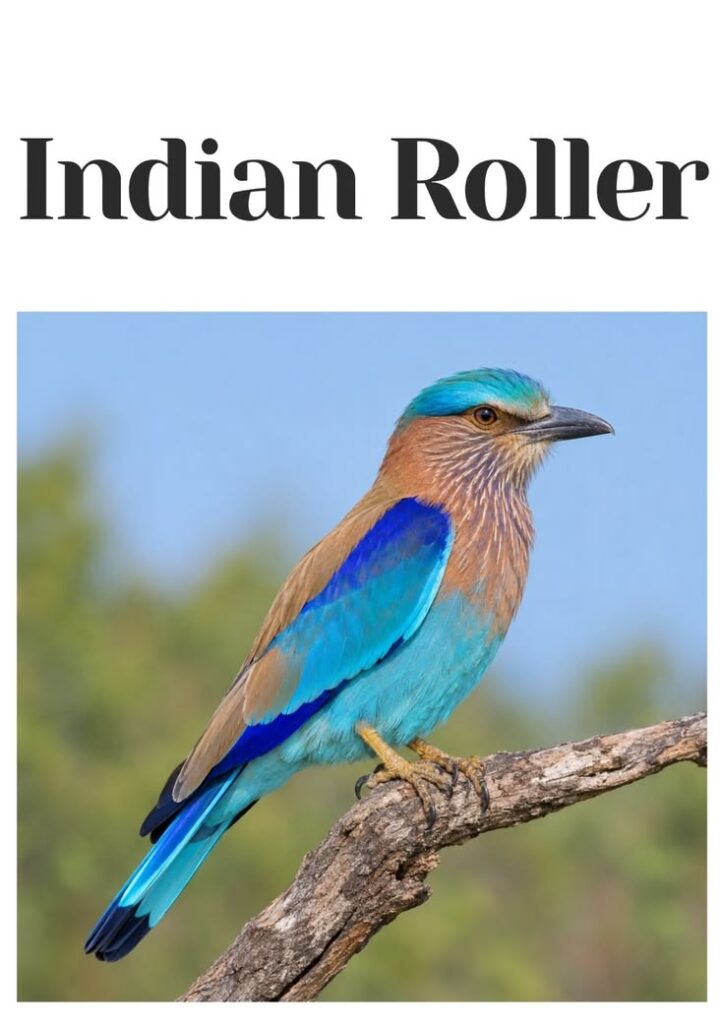
*Environmental responsibility as stated in the Constitution of India – the duty of every citizen*
The Constitution of India has given special importance to environmental protection. According to Article 48A, the State shall strive to protect and improve the environment, and to conserve forests and wildlife. Similarly, according to Article 51A(g), it is the fundamental duty of every citizen to protect and develop the natural environment including forests, lakes, rivers and wildlife, and to show compassion towards living beings. In addition, Article 51A(h) instructs citizens to develop a scientific attitude, humanism, a spirit of inquiry and a sense of reform. Putting these constitutional values into practice means not only planting trees but also protecting existing trees, not polluting water sources, not harassing wildlife, not destroying bird habitats, and promoting environmentally friendly practices in agriculture. Governments must effectively implement laws; local bodies must formulate plans for the conservation of natural resources; NGOs must create awareness among the people; and every citizen must do his or her part. The Constitution should not remain just a subject to be read in books but should be reflected in our daily lives in the form of action.
*Nature conservation is the foundation for fruit conservation – there needs to be a change in practice*
For fruit culture to reach future generations, the nature and biodiversity that underpin it must also be protected. To continue the tradition of going to the fields on Dussehra to see the Indian Roller, the environment in which the bird can live should be protected throughout the year. Measures such as planting native trees on crop ridges, protecting old trees, avoiding unnecessary removal of bushes, adopting integrated crop protection methods that reduce the use of chemical pesticides, and preserving the natural appearance of ponds, ponds, and grasslands are necessary. Bird watching programs should be organized in schools and colleges to create awareness among students about biodiversity. Instead of trapping, catching, or disturbing the Indian Roller during Dussehra, the message of respecting its freedom by observing it from a distance should be conveyed to the public. Activities that harm nature during festivals should be reduced and environmentally friendly customs should be encouraged. Farmers should be trained on bird-friendly agriculture. Public representatives, government departments, NGOs, and village panchayats should work together to take up local biodiversity conservation programs. Celebrating the festival is our joy; it is our responsibility to protect the nature that is the reason for that joy. If you see a Indian Roller bird being caged, immediately inform the forest department!
If you come across any illegal activities like catching Indian Roller birds, cutting their wings, and keeping them in cages to show or sell to the public during the Dussehra festival, do not remain silent. The Telangana Forest Department is promoting toll-free numbers 1800 425 5364 (free toll-free number of the Forest Wildlife Crime Control Unit – available 24/7), 1926 (Forest Department general helpline) and numbers of voluntary wildlife protection organizations (for faster assistance): Animal Warriors Conservation Society (AWCS): 9697887888, People for Animals (PFA) Hyderabad: 9803338666. Protecting wildlife is not only the responsibility of the Forest Department; it is also the basic duty of every citizen. The Forest Department is requested to keep the personal details of the informants like name and phone number confidential, so that the irregularities can be brought to the notice of the authorities without fear. Capturing a milkweed is not a tradition — letting it fly freely is the true love of nature!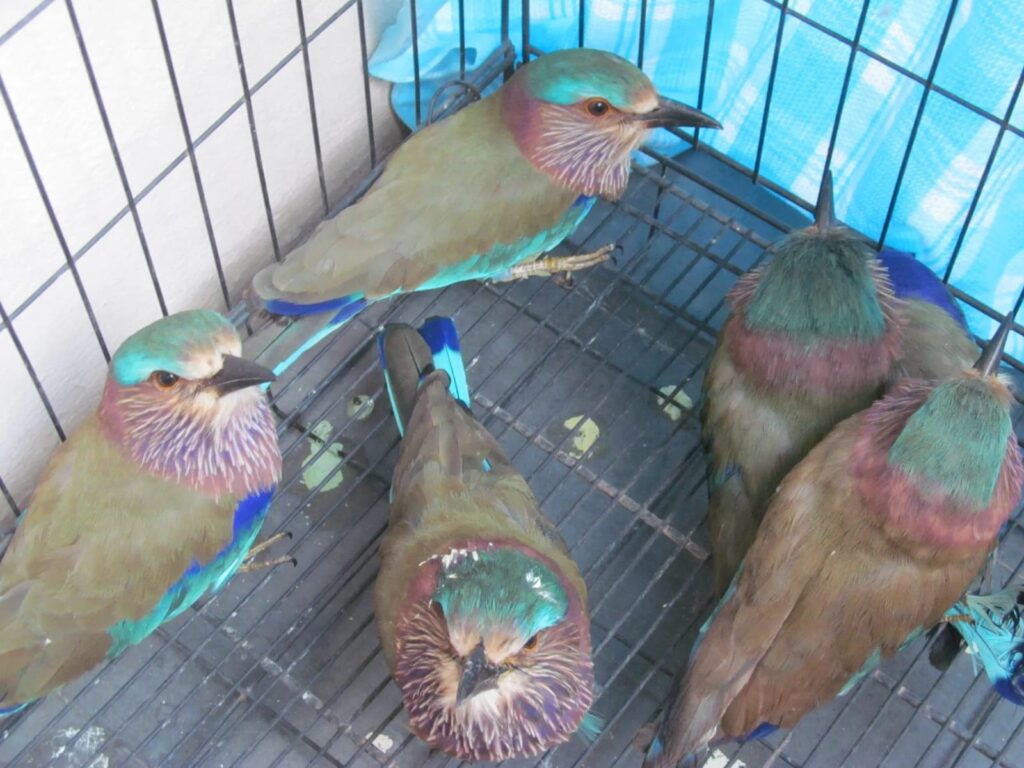
*To see an Indian Roller on Dussehra tomorrow – a change in people is needed*
It is very sad that some people, believing that seeing a Indian Roller on Dussehra will bring success, catch Indian Rollers, cut their wings, lock them in cages and sell them for money. How reasonable is it to deprive a bird of its freedom in the belief that it will bring good luck? These actions not only threaten the survival of Indian Rollers, but also risk causing their offspring to decline. Torturing mute creatures in the name of tradition is not our culture. It is not about catching and watching Indian Rollers, but seeing them flying freely in nature is a real auspicious sign. The forest department and police department should stop such illegalities and take legal action against those responsible. Seeing Indian Rollers is a tradition… It is our responsibility to let it live freely!
For a festival-related tradition to continue for generations, the nature behind it must also be alive. If we want to see the Palapitta (Indian Roller) on a festival day and destroy its habitat on other days, we will be acting against our tradition. Protecting nature is not just the job of the forest department, governments, environmentalists or NGOs; it is the responsibility of every farmer, every student, every family and every citizen. If farmers protect trees in their fields, if the government protects natural habitats, if scientists study the condition of birds, if NGOs create awareness among the people, if people respect wildlife, we can provide better living opportunities for birds like the Palapitta. It is time to see nature not just as a means of economic gain but as a source of survival. Before a Dussehra without the Palapitta becomes a warning to us, we ourselves should build a Dussehra that protects the Palapitta. Our festivals must stand, our traditions must live, our fields must be green, our forests must be alive, and our birds must fly freely. Only then can we pass on not only culture to the coming generations, but also nature, which is the lifeblood of that culture. Watching the Palapitta is a tradition… It is our responsibility to protect the Palapitta! Let us protect nature – let us protect the sanctity of festivals, the safety of future generations. Let us preserve our culture!.
*”Prakriti Rakshati Rakshitha” — Let us protect the birds, let us preserve our culture!*
*— Pittala Ravi Babu, Environmentalist, Former Assistant Professor, JNTUH, Hyderabad and Joint Secretary, Orugallu Wildlife Society (OWLS) NGO, Telangana. Cell: +91 9849425271.*