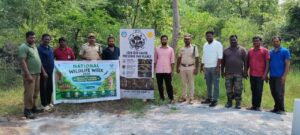
Reckless Wildlife Tourism and Failures in Captive Elephant Management
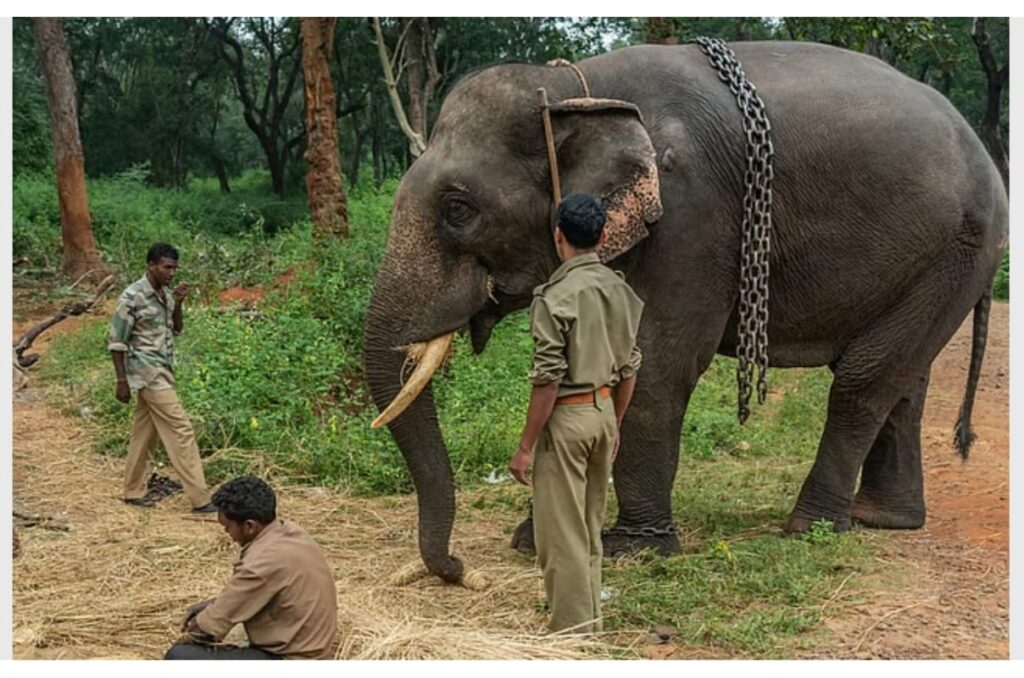
*The Dubare Incident: A Grim Warning Regarding the Failure of Wildlife Tourism Policies*
*–Author: Ravi Babu Pittala, Environmentalist and Former Assistant Professor*
*Reckless Wildlife Tourism and Failures in Captive Elephant Management*
The tragic incident involving Kanchan and Martanda at the Dubare Elephant Camp was not merely a random mishap; it serves as a stark warning regarding the hollowness of current wildlife tourism policies in India and the systemic flaws in the management of captive elephants. The failure of the management—specifically their negligence in failing to keep 26-year-old Kanchan away from tourist activities while she was in a state of severe *musth* (sexual frenzy) or under extreme stress—resulted in her attacking Martanda, another elephant aged 53. It is deeply distressing that this attack claimed not only Martanda’s life but also that of an innocent tourist visiting the site. This incident underscores a bitter truth: in our pursuit to commodify wildlife—reducing animals to mere business resources and tools for tourist entertainment—we are completely disregarding their natural behaviors and fundamental biological needs. Such tragedies recur primarily because adequate safety measures are not taken while handling massive yet sensitive wild animals like elephants, and because their psychological and physical states are not accurately assessed. It is imperative that the government and forest department officials—even at this late stage—implement stringent reforms that prioritize the conservation of these voiceless creatures and the protection of human lives over purely profit-driven tourism policies.
*Flaws in Laws and Implementation: Who is Responsible?*
In India, while the Wildlife Protection Act, 1972, and the specific regulations governing the management of captive elephants appear robust and feature clear guidelines on paper, their implementation at the ground level faces severe failures. Incidents like the one at Dubare are not merely freak accidents; they serve as direct evidence of the prolonged negligence of forest departments, tourism agencies, and policymakers. Although the law mandates the continuous monitoring of the physical and psychological health of captive elephants, the overwhelming focus on revenue generated by the tourism sector has caused their welfare standards to be completely sidelined. Such tragedies occur precisely because field-level staff lack proper training and accountability—whether in identifying the elephants’ ‘musth’ periods or in assessing their stress levels. The pressing question that now remains is: why do the regulations intended to provide oversight remain inert while the natural rights and safety protocols of voiceless creatures are being wantonly violated for the sake of tourist entertainment and commercial gain? Forest departments must fulfill their responsibilities not merely as supervisors, but comprehensively as the true protectors of these voiceless beings. If the enforcement of regulations is not made significantly stricter immediately—if continuous surveillance systems equipped with modern technology are not installed at tourist centers, and if strict legal action is not taken against those responsible—such systemic flaws will continue to claim the lives of many more innocent humans and animals. Therefore, it is absolutely imperative to accept full responsibility for this failure and to implement both immediate and long-term reforms within the system.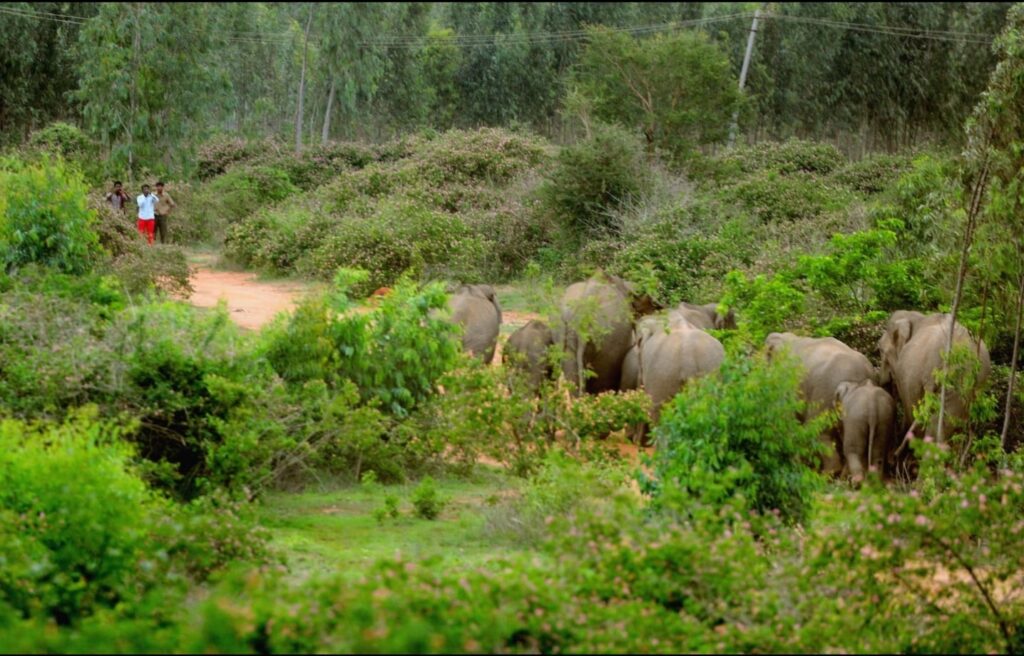
*The Mental and Physical State of Captive Elephants*
Confining elephants—creatures that naturally roam freely for miles every day in the wild forests and lead a social existence alongside their herds—for the sake of human needs and entertainment runs entirely counter to their fundamental nature. Being chained to concrete floors and restricted to limited spaces subjects these massive creatures to severe physical ailments, as well as something even more dangerous: intense psychological stress. The constant clashing of chains, the clamor of tourists, and training methods that suppress their natural instincts instill in them a deep sense of resentment and anxiety. As this prolonged stress intensifies, they begin to exhibit “stereotypic behavior”—unnatural mannerisms such as head-bobbing or swaying their bodies while standing in one spot.
The behavior displayed by an elephant named Kanchan at the Dubare Camp serves as an explosive testament to the psychological torment and repression that had been accumulating within its psyche for decades. When a wild animal—meant to roam freely in the wilderness—is forcibly reduced to a mere tool for tourist entertainment, there inevitably comes a point where its innate wildness or self-preservation instinct bursts forth uncontrollably. This stress is amplified a hundredfold, particularly during the period of *Musth*—a time of significant hormonal fluctuation in elephants. It is precisely because their physical and mental well-being is disregarded and neglected even during such sensitive phases that they lose their composure and lash out, attacking both fellow animals and humans. This incident makes it abundantly clear that any tourism policy that fails to prioritize the psychological well-being of wildlife poses a grave and perpetual threat—endangering both the survival of the animals themselves and the lives of human beings.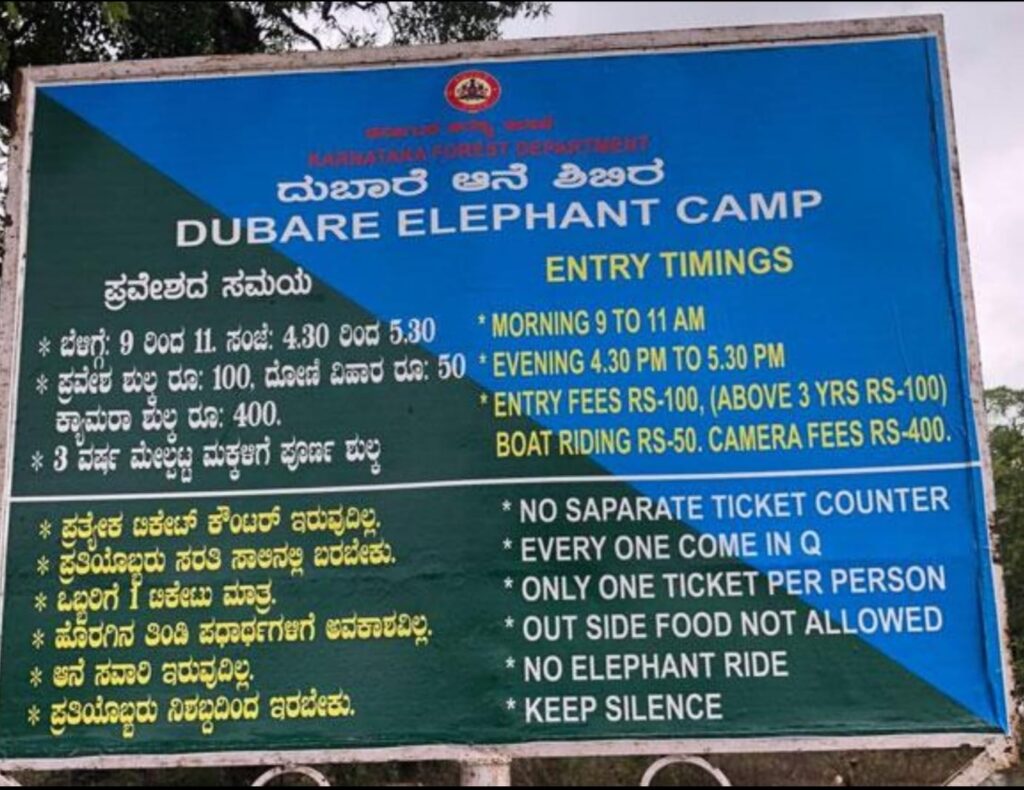
*Tradition vs. Welfare: An Ethical Perspective*
In India, the practice of utilizing elephants and other wildlife—often in the name of cultural grandeur, festivals, and tourism attractions—has persisted for centuries. However, in a modern society, the time has come for us to weigh our ethical responsibilities toward living beings alongside the preservation of traditions. Confining free-spirited animals and subjecting them to cruelty—under the guise of tradition or entertainment—is in no way justifiable. Just as the law previously banned the use of snakes, monkeys, and bears for street performances, we must now ethically question the practice of parading elephants for hours on end—amidst deafening noise and across scorching concrete roads—during festivals and processions. From confining birds in cages to subduing massive wild animals with *ankuses* (metal hooks)—every such act serves only to extinguish their natural instincts.
Animals are not merely inanimate objects; they are sentient beings endowed with highly sensitive emotions—capable of experiencing pain, fear, loneliness, and joy, much like humans. Every living creature on Earth possesses a fundamental right to live freely within its natural habitat. As a civilized society, infringing upon the right to life of other beings—solely for the sake of our own pleasure or cultural expression—constitutes an act of extreme cruelty. Respecting the inherent rights of wildlife and prioritizing their welfare is not merely a legal mandate; it is a fundamental moral and humanitarian obligation. Human values attain their true significance only when compassion for living beings and ecological balance are given precedence over superstitious practices perpetuated in the name of tradition.
*Systemic Flaws: The Truth Revealed by This Incident*
The horrific incident that occurred at the Dubare Elephant Camp was neither a mere random accident nor a sudden, isolated error; it is a direct consequence of the flawed, commercialized wildlife tourism policies currently being implemented across the country. Before an elephant is introduced into tourist displays or camp activities, a comprehensive assessment of its background, history, and psychological state must be conducted. Some of the captive elephants may have been brought directly from the wild, while others may have come under the care of the Forest Department—often bearing severe injuries and suffering from acute stress—following incidents of crop raiding or human-elephant conflict. It is extremely dangerous to lump together wildlife originating from such diverse circumstances—ignoring their behavioral histories—and reduce them to mere tourist attractions.
The primary cause of this tragedy is the absence of a scientific ‘behavioral assessment.’ There is a severe shortage of experts on the ground to monitor when elephants are under stress, the nature of their physiological changes, and the dynamics of their interactions with fellow elephants. Furthermore, there is a distinct lack of preparedness—including emergency protocols, protective fencing, and tranquilizer guns—essential for controlling such massive creatures during critical situations and for safeguarding both tourists and other animals. This incident starkly highlights the bitter truth that these systemic failures, coupled with a tourism culture driven solely by profit motives, are transforming forest regions from wildlife conservation sanctuaries into hazardous venues for entertainment.
*The Way Forward: Reforms and Solutions*
To ensure that tragic incidents characteristic of these turbulent times—such as the events at Dubare—do not recur in the future, there is no alternative but to radically overhaul current wildlife tourism policies. First and foremost, the practice of displaying elephants for the amusement of tourists and for commercial gain must be completely abandoned and replaced with scientifically sound and ethical eco-tourism practices. We must cease viewing captive elephants merely as tools for entertainment; instead, state-of-the-art rehabilitation centers, supervised by experts, must be established for their care. Rather than resembling concrete sheds, these centers should be expansive, chain-free spaces that closely mimic the elephants’ natural forest habitat. It is imperative to establish a specialized division within the Forest Department—staffed by wildlife behaviorists—to continuously monitor and assess the mental and physical health, as well as the behavioral patterns, of every individual elephant. Furthermore, the mahouts and *kavadis* working at the grassroots level must receive scientific training in modern animal care techniques to ensure they treat wildlife with compassion; concurrently, they should be provided with adequate wages to foster a greater sense of accountability. Continuous hormonal testing and health monitoring systems must be strengthened to enable the early detection of the ‘musth’ phase in elephants. To ensure an immediate response in the event of emergencies, every camp must be equipped with tranquilizer kits, expert veterinary teams, and emergency safety protocols. Only when authorities recognize that the welfare of voiceless creatures and the protection of human lives take precedence over revenue generated by the tourism sector will a clear path be paved for the ethical treatment and true conservation of wildlife.
*The Dubare Incident: A Lesson Calling for Coexistence with Nature*
The tragic incident involving Kanchan and Marthanda at the Dubare Elephant Camp was not merely an isolated animal attack; it was a resounding slap—a stern warning from nature—against the selfish, commercialized attitude that humans have adopted toward wildlife. This incident has starkly demonstrated the heavy price we must pay for shackling free-spirited elephants in chains, neglecting their mental and physical well-being, and reducing them to mere exhibits for the sake of tourism profits. The fact that this tragedy claimed the lives of both a voiceless creature and an innocent tourist serves as a scathing indictment of the systemic failures within our wildlife tourism policies and the enforcement of our laws. We must, at long last, accept the truth that severe consequences like this are inevitable if we attempt to suppress the natural instincts of animals—failing to recognize that they, too, are sentient beings capable of experiencing emotions, pain, and stress.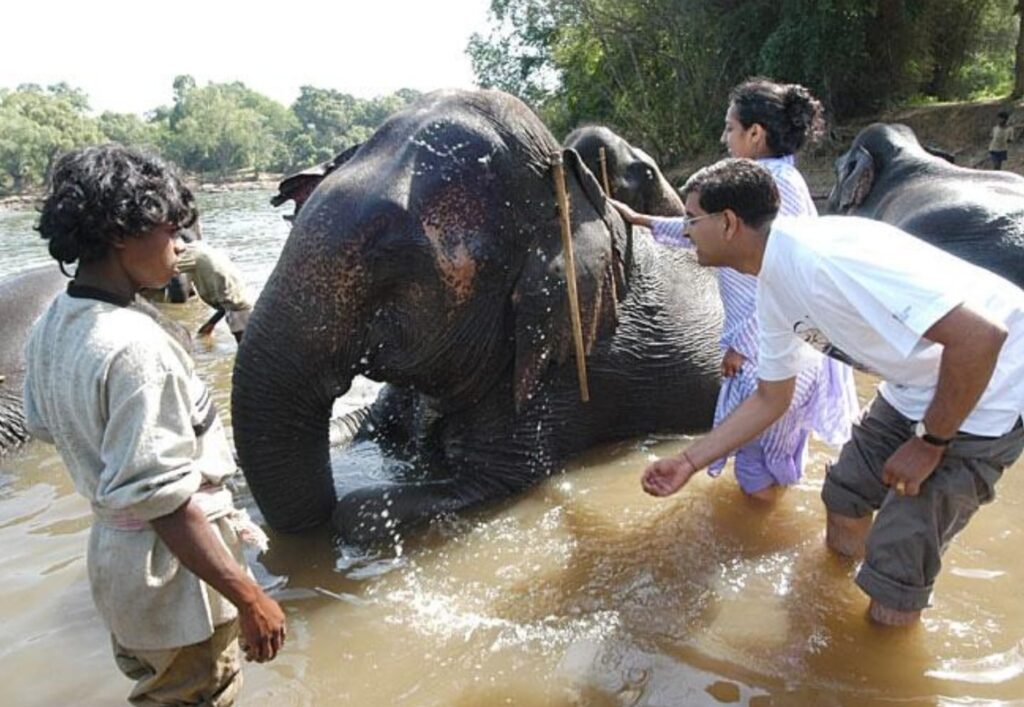
The single lesson we must learn from this horrific tragedy is this: we must view nature and wildlife not as tools for entertainment to be subjugated, but as fellow living beings deserving of our respect. The conservation of forests, the protection of wildlife rights, and the demonstration of compassion toward captive animals are not merely the responsibilities of the Forest Department; they constitute the moral duty of our civilized society. Scientific reforms must be implemented immediately to ensure that the welfare of wildlife and the safety of human lives are accorded the highest priority—ranking above tourism driven solely by revenue generation. Biodiversity will truly flourish only when humanity recognizes its boundaries, ceases the exploitation of nature, and embarks upon a path of harmonious co-existence with wildlife. It is only when we move forward while respecting the freedom of all living beings on this planet that the progress achieved by humanity will acquire its true meaning and ultimate purpose.
*— Ravi Babu Pittala, Environmentalist; Former Assistant Professor, JNTUH, Hyderabad; and Joint Secretary, Orugallu Wildlife Society (NGO), Warangal, Telangana, India. Cell: +91 9849425271.*