Honeybees: Guardians of Nature – Indicators of Life on Earth
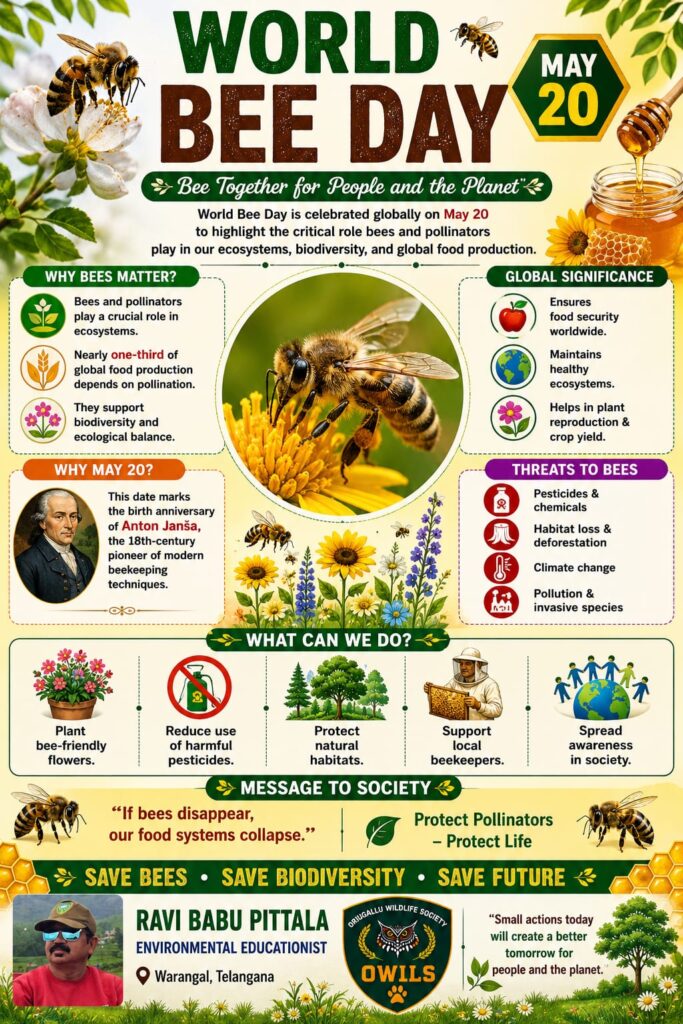
–Honeybees: Guardians of Nature – Indicators of Life on Earth
– World Bee Day, Biodiversity, and Global Food Security
– The very day honeybees go extinct, food production will cease, and life on Earth will vanish
– The Ecological and Agricultural Significance of Honeybees.
– Author: Ravi Babu Pittala, Environmentalist.
Observed globally on May 20, World Bee Day serves as a critical reminder of the monumental role that bees and other pollinators play in sustaining life on Earth. While often perceived merely as small, buzzing insects, bees are foundational cornerstones of global ecosystems, driving biodiversity and securing human survival. This annual observance is not merely a celebration but an urgent global call to action, reminding humanity of our profound interdependence with these vital species and the pressing need to reverse their declining populations.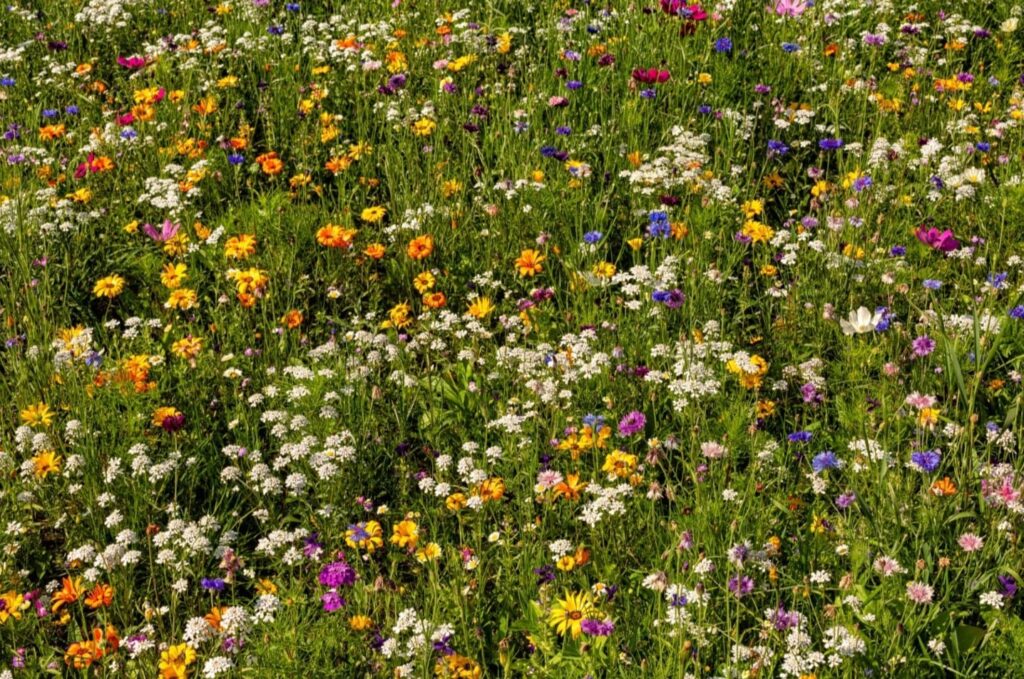
*The Synergy of Collective Action: “Bee Together for People and the Planet”*
The contemporary theme, “Bee Together for People and the Planet,” underscores the necessity of multi-sectoral cooperation to protect pollinator populations. Safeguarding these insects requires a unified front comprising individuals, local communities, agriculturalists, and policymakers working in tandem with natural ecosystems. Protecting bees transcends the conservation of a single insect species; it is an existential imperative for preserving global ecological balance, stabilizing human food supply chains, and ensuring environmental sustainability for future generations.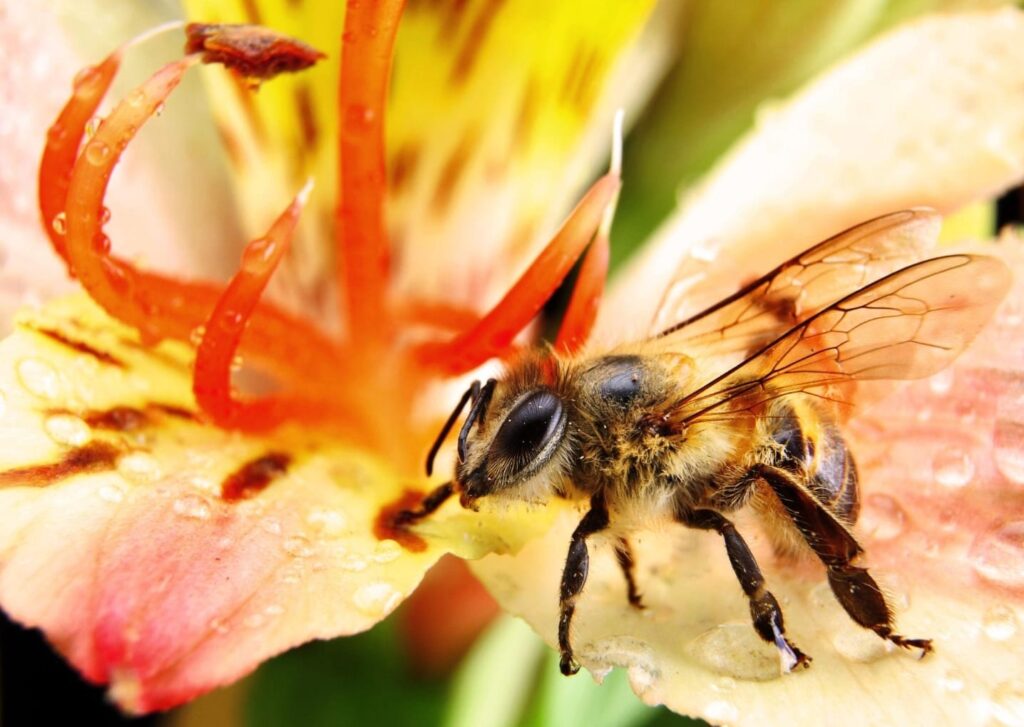
*Agricultural Anchors and the Global Food Supply*
Bees are among the most economically and ecologically significant pollinators in the biosphere. Anthropological and agricultural data reveal that nearly **one-third of global food production** relies directly on animal pollination, a process overwhelmingly dominated by bees. Vital nutrient-rich crops—including fruits, vegetables, nuts, and seeds—depend heavily on the reproductive facilitation provided by these insects. Beyond mere survival, bees significantly enhance both the quantitative yield and the qualitative attributes of crops. Through cross-pollination, they foster genetic diversity within plant populations, resulting in hardier crops that are more resilient to diseases and environmental stressors. Without the pollination services of bees, global agricultural systems would face catastrophic collapses, culminating in severe nutritional deficiencies, widespread food insecurity, and volatile socioeconomic disruptions.
*Historical Foundations: Why May 20?*
The selection of May 20 for World Bee Day holds profound historical and scientific significance, marking the birth anniversary of Anton Janša (1734–1773). An 18th-century Slovenian pioneer, Janša revolutionized modern apiculture (beekeeping). He was the first to academically recognize that bees require distinct management practices based on their natural behaviors rather than human imposition. His innovative methodologies—such as redesigning hive structures and rewriting empirical guides on swarming—laid the groundwork for sustainable beekeeping practices that continue to guide modern melittology (the study of bees) and sustainable agriculture today.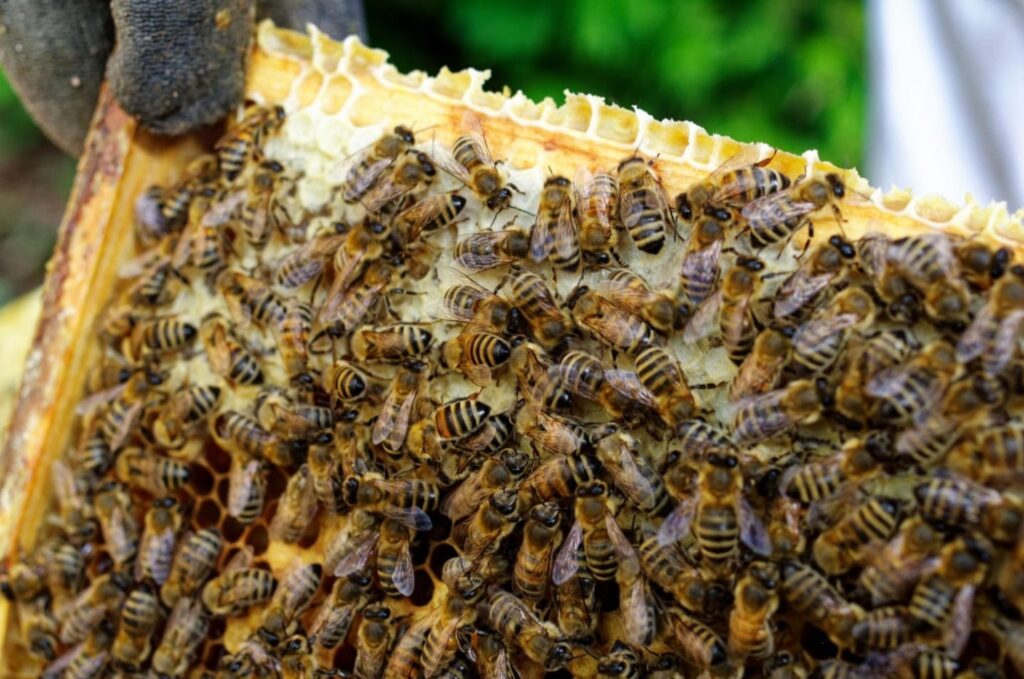
*Anthropogenic Threats and the Decline of Bee Populations*
Despite their indispensable utility, bee populations worldwide are experiencing unprecedented declines, driven primarily by anthropogenic (human-induced) factors. The primary drivers of this ecological crisis include:
*Agrochemical Intensive Practices:** The widespread application of synthetic pesticides, herbicides, and systemic insecticides (such as neonicotinoids) severely impacts bee neurology, impairing their navigation, foraging capabilities, and reproductive success.
*Habitat Fragmentation:* Rapid urbanization, industrialization, and aggressive deforestation dismantle natural foraging grounds, depriving bees of diverse floral resources.
*Anthropogenic Climate Change:* Shifting global temperatures disrupt the delicate phenological synchrony between the emergence of bees and the flowering cycles of plants, leading to localized starvation.
*Pollution and Pathogens:* Air and chemical pollution interfere with olfactory cues needed for foraging, while global trade inadvertently spreads invasive predatory species and lethal hive pathogens.
*Ecological Linchpins and Environmental Indicators*
From an environmental standpoint, bees act as fundamental bioindicators; the health of bee populations directly reflects the health of the surrounding ecosystem. They are vital for biodiversity conservation, facilitating the reproduction of wild plants that form the structural basis of terrestrial habitats. By ensuring the proliferation of flora, bees indirectly support a vast web of secondary organisms, from herbivorous mammals to seed-eating birds, thereby maintaining complex food webs. Furthermore, their role in sustainable agriculture reduces the need for artificial interventions, allowing natural ecosystems to maintain self-regulation and resilience against environmental degradation.
*Mitigation Strategies: A Blueprint for Conservation*
Reversing the decline of pollinators requires immediate, localized, and systemic interventions. Effective conservation strategies include:
*Cultivating Botanical Diversity: Designing urban and rural landscapes with native flowering plants to provide bees with a continuous, year-round supply of nectar and pollen.
*Implementing Integrated Pest Management (IPM):* Drastically reducing reliance on chemical pesticides and transitioning toward organic farming methodologies.
*Supporting Sustainable Melittology:* Purchasing products from local, ethical beekeepers to promote sustainable apiculture and biodiversity-friendly local economies.
*Policy and Education:* Enacting stringent government policies that preserve natural wildlife corridors and integrating pollinator education into mainstream scientific discourse.
Bees are the silent, industrious architects of our planet’s vitality. World Bee Day is a poignant reminder that human health, nutrition, and ecological stability are intrinsically bound to the survival of these pollinators. Safeguarding bees is not a charitable ecological endeavor; it is a fundamental act of self-preservation. By actively protecting these magnificent creatures and their habitats, humanity can ensure a biodiverse, food-secure, and ecologically resilient future.
*The day honeybees go extinct is the day food production will cease.*
On the very day that honeybees vanish from this earth, cross-pollination will come to a halt, and food production will cease entirely. Consequently, life on Earth will face extinction due to the lack of food. This is a scientifically proven fact. That is precisely why the unique role of every single living organism on this planet is crucial. This is the fundamental principle of nature. Let us understand this principle and strive to coexist harmoniously with all living beings.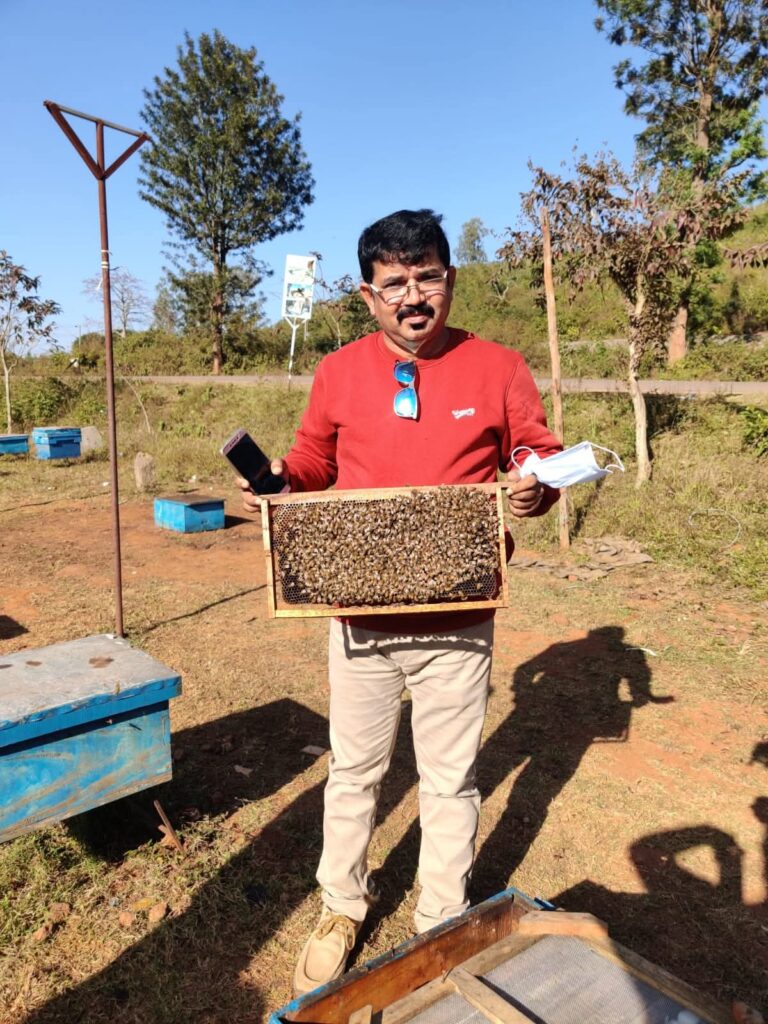

*– RAVI BABU PITTALA, Environmental Educationist, Former Assistant Professor, JNTUH, Hyderabad and Joint Secretary, Orugallu Wildlife Society, Telangana.