Youth Will Have a Golden Future Only If They Leave Addictive Friendships

*Youth Will Have a Golden Future Only If They Leave Addictive Friendships*
*– Otherwise the future will be filled with darkness.*
*– A valuable message to youth about addictive friendships.*
*– Ravibabu Pittala, M.Sc., M.Tech., (Ph.D), Environmentalist*
Youth are the foundation of a nation’s future. Their ideas, energy, and creativity are crucial for the development of a country. However, in modern society, the risk of youth falling into various forms of addiction is increasing. Especially due to the influence of wrong friendships, curiosity, pressure, and the impact of social media, many young people are getting trapped in habits such as alcohol consumption, intoxicating substances, narcotics, cannabis (Ganja), pornography, mobile phone addiction, and unnecessary romantic relationships. At first these may begin as entertainment or curiosity, but gradually they reach a stage where they start controlling one’s life. From a scientific perspective, addiction is not merely a bad habit; it is the result of biochemical changes that occur in the brain. In the human brain, a neurotransmitter called dopamine creates feelings of pleasure, excitement, and motivation. Normally dopamine is released through positive activities such as studying, playing sports, or achieving success. However, addictions such as alcohol, drugs, pornography, or excessive use of social media cause dopamine to be released in unusually high amounts. Although this creates temporary pleasure, over time the brain becomes unable to experience natural happiness. This is the main scientific reason behind addiction.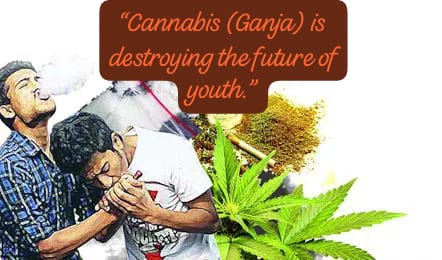

One of the major reasons addictions begin among youth is the influence of friends. Scientifically this is known as peer pressure. It is a natural human tendency to imitate the behavior of people around us. Since the part of the brain responsible for decision-making in youth is not yet fully developed, they quickly get influenced by their friends’ words and actions. Statements like “Just try once,” “Nothing will happen,” or “Everyone is doing it” often become the starting point of habits that gradually turn into addictions. Alcohol and intoxicating substances have serious effects on the health of youth. Excessive alcohol consumption damages the liver and may lead to diseases such as liver cirrhosis. It also weakens the functioning of the brain’s nervous system. Narcotics and substances like cannabis affect the nerve cells of the brain and weaken the ability to make sound decisions. The chemical THC (Tetrahydrocannabinol) present in cannabis affects parts of the brain that regulate emotions, increasing the risk of anxiety and depression.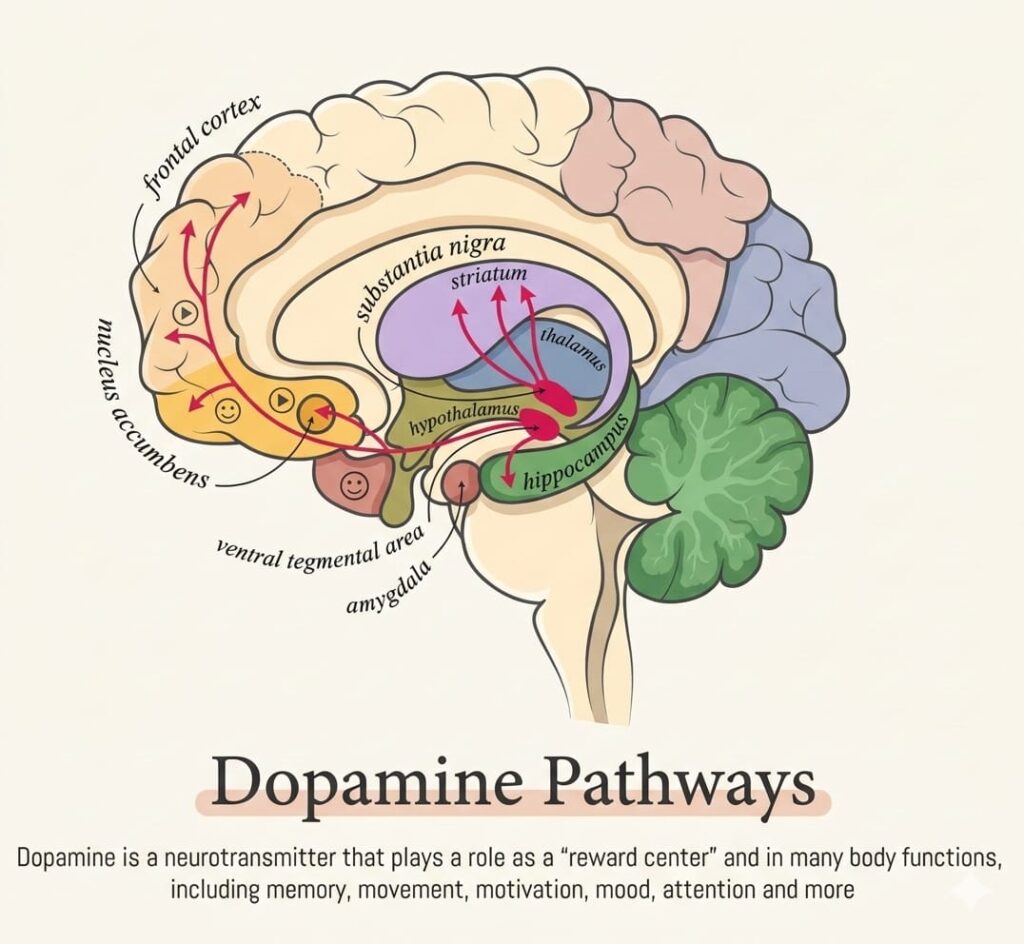
With the expansion of the internet, another major problem that has emerged is pornography addiction. This also leads to excessive dopamine release in the brain. As a result, unrealistic ideas about real-life relationships are formed. It may lead to reduced self-confidence, increased loneliness, and dissatisfaction in relationships among youth. Over time, it can severely affect mental health. Similarly, mobile phone and social media addiction has become a major problem in modern times. Continuous phone usage creates an instant reward system in the brain. Every notification, like, or message causes a small dopamine release. Because of this, youth start spending more time on their phones. As a result, concentration decreases, academic performance declines, sleep problems occur, and anxiety levels increase. At a young age emotions are very strong. Because of this, unnecessary romantic relationships may also become a kind of emotional addiction. During this stage, hormones such as oxytocin and serotonin strongly influence the brain. Due to this influence, some youth ignore their education and career goals and make decisions driven purely by emotions. When such relationships fail, it may lead to depression and loss of self-confidence.
The impact of these addictions does not affect only an individual’s personal life; it also affects the family and society. Health problems, loss of educational and career opportunities, financial difficulties, family conflicts, and sometimes situations that lead to crime may arise. Therefore youth should not treat these issues as small or insignificant.
There are several scientific solutions to overcome addictions.
First, it is extremely important to stay away from wrong friends. One must choose friends who wish for their progress and guide them toward the right path. Reducing or completely avoiding relationships with people who encourage bad habits is the first step in preventing addiction.
Second, adopting a healthy lifestyle is essential. Activities such as sports, exercise, yoga, and meditation help release natural happiness hormones in the brain. These activities reduce stress and help individuals stay away from addictive behaviors. Hobbies such as reading books, music, and arts also increase creativity among youth.
Third, practicing mindfulness and meditation helps control thoughts. Meditation strengthens mental discipline and improves decision-making ability in the brain, helping individuals resist temptations. Research shows that people who meditate daily for a few minutes experience reduced stress and a lower tendency toward addiction.
Fourth, counseling and medical support may be necessary when addiction becomes severe. Professional treatments such as Cognitive Behavioral Therapy (CBT) help identify the causes of addiction and guide individuals toward recovery. Support from family members and teachers is also extremely important.
Finally, youth must remember that life is precious. One should never sacrifice a lifelong future for temporary pleasures. When individuals set clear goals and work hard toward them, addictions naturally move away. Good friendships, good habits, and positive thinking lead life toward success. Youth should especially remember one important thing: there are parents, family members, spouses, children, and friends who have placed many hopes on them. They must never forget this responsibility. Friendship that encourages addiction is like poison; the friendship that helps a person grow is the true friendship.
Youth must stay away from addictions and addictive people – and build their own golden future.
— Ravibabu Pittala, M.Sc., M.Tech., (Ph.D), Environmentalist, Former Assistant Professor, JNTUH, Hyderabad and Joint Secretary, Orugallu Wildlife Society NGO, Telangana State, India. Mobile: +91 9849425271.