Integrated Water use in the El Nino Crisis
*Integrated Water use in the El Nino Crisis — Is it Fair to hold Farmers Solely Responsible?*
*Unscientific Crop Recommendations imposed on farmers should be reconsidered*
*— Author: Renowned Environmentalist, Ravi Babu Pittala.*
*Water use should be examined scientifically:*
During water scarcity, governments and water owners should examine comprehensive water use methods and water use scientifically. Water integrity and uses should be followed without fail, but only the agricultural sector is using more water, and farmers are depleting groundwater and surface water, and the government should not only change the farmers and plant high-water-consuming crops like rice and sugarcane, but also reduce water use by the agriculture department, showing the farmers and the agricultural sector as the land, and making the farmers who grow rice go into debt and wait for the governments and the schemes they provide to survive. This kind of unscientific propaganda is not fair. The use of water in emergency situations, non-agricultural unnecessary use should be examined scientifically and used comprehensively to overcome the difficult situations of disasters.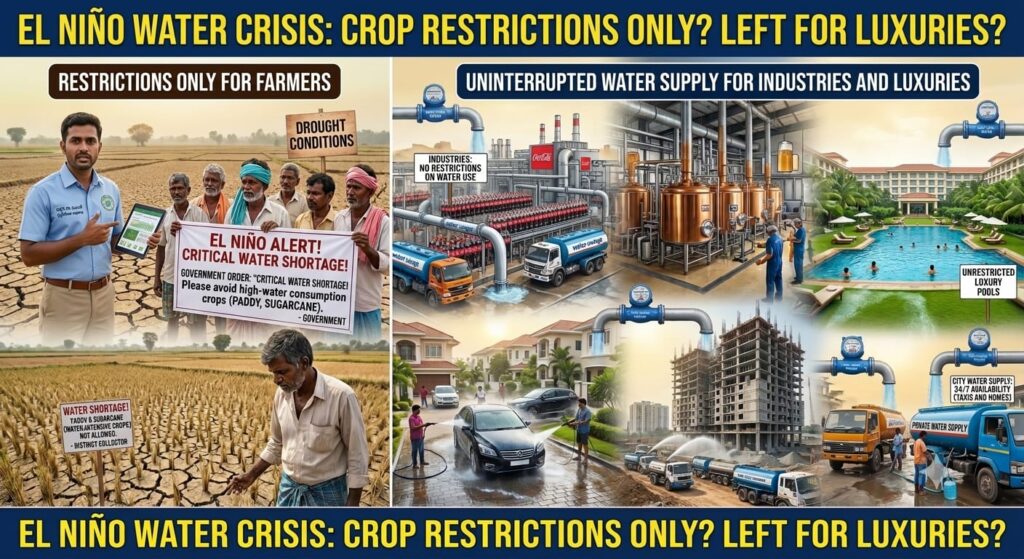
*Water is a national resource — not anyone’s own property:*
Due to the effect of El Nino, problems such as changing weather conditions, increasing temperatures, decreasing water resources, drying up, decreasing rainfall, falling water levels in wells, ponds, rivers, reservoirs, and increasing drinking water shortages are becoming more serious. The Telangana government has also asked farmers to postpone one crop season — especially rice, sugarcane, etc., which consume a lot of water in Yasangi — considering that El Nino will lead to a shortage of drinking water. But it is not fair to blame the water crisis only on the agricultural sector; water should be managed equally and responsibly in all sectors.
*Will the burden fall only on the farmer?*
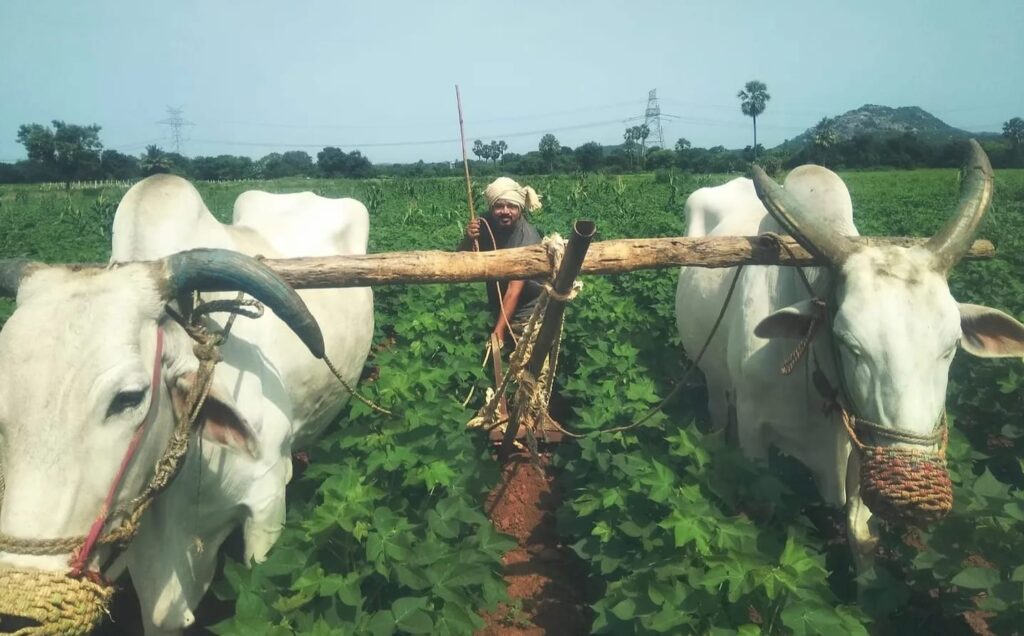
Agriculture is the backbone of this Annapurna country. The farmer who feeds the country is the real savior of the country. That is why it is a matter of pride for all of us that this country, along with the slogan “Jai Jawan”, respects “Jai Kisan”. However, it is true to say that in the current monsoon season, crops like paddy and sugarcane require more water. That is why the government is suggesting that crops like jowar, maize, sajja, ragi, kandi, pesara, lentil, sesame, groundnut, sunflower, which require less water. However, these instructions, contrary to the wishes of the farmer, do not show a way to protect the crops like pulses, pulses, oilseeds, vegetables, greens, beets, etc. from the serious threat of monkeys, and do not consider market prices, seed availability, land nature, and water facilities, they become mere instructions. Experts suggest that the crop rotation should be decided by the agricultural welfare officers and farmers together at the cluster level, keeping in mind the availability of water and soil condition.
*Market assurance is needed for alternative crops:*
If a farmer abandons paddy or sugarcane and grows millets, pulses, and oilseeds, they should have a reasonable price, purchase guarantee, and processing facilities. Otherwise, even if the crop is grown, it will not be sold, and the price will decrease and they will lose money. Agricultural economists clearly say that crop change is not easy, and a decision should be made based on seed availability, crop suitability, soil suitability, water availability, and market demand. Therefore, instead of just saying “don’t grow rice” and don’t grow crops that consume a lot of water, the government should provide expensive price guarantees, insurance, seed subsidies, and purchase centers for alternative crops.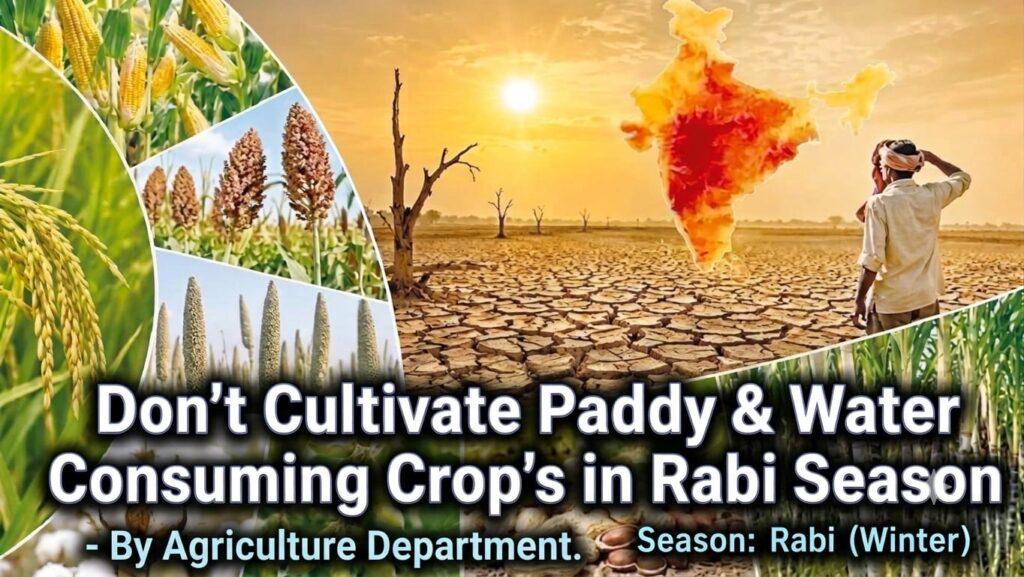
*Water shortage is not limited to agriculture:*
In big cities like Hyderabad, industries, hotels, function halls, apartments, car wash centers, and the construction sector are using a lot of water. Consumption such as washing cars, cleaning houses, washing glasses, and excessive use in bathrooms should be reduced. If the government imposes restrictions only on agriculture, it is unfair to neglect the luxurious use of water in urban areas. Experts are of the opinion that groundwater and surface water should be combined in the management of water resources and the needs of various sectors should be considered in a balanced manner.
*Industries, hotels, soft drink companies:*
Many foreign soft drink companies, domestic companies, liquor manufacturing companies, bottled water units, hotels, large industries, multi-purpose private housing apartment complexes that use natural water resources, which is one of the national assets of this country, for their business and earn income per person are wasting large amounts of water through special pipelines or tankers and making their own profits. Foreign companies are taking their profits and money and currency back to their countries and plundering the water resources of this country that belong to everyone. Since these are profitable businesses, strict quotas, recycling rules and pricing policies should be imposed on their water consumption. It is not reasonable to use water for luxury purposes and to provide water in abundance for manufacturing when there is a shortage of drinking water. Even though the government has declared that drinking water is of utmost priority, that principle should be implemented in industrial use as well. If necessary, the water supply to these should be stopped in case of emergency.
*Urban consumption should also be tightened:*
High-rise apartments, IT parks, shopping malls, and hotels consume a lot of water. Rainwater harvesting, recycling of grey water for sewage pipes, gardening, and use of drip systems should be made mandatory. The government should not only ask farmers, but also enforce water conservation measures in urban areas. The business of private illegal water supply tankers should be completely stopped. Surveillance and vigilance teams should be appointed to keep a constant watch on illegal water transportation and use and illegal water storage and transportation businesses should be stopped under supervision. It is suggested that rainfall, surface water, and groundwater should be planned together in water management.
*Technical measures for water conservation in agriculture:*
Farmers can save water even without changing crops. Micro-irrigation systems like drip and sprinkler, mulching, in-situ moisture storage, farm ponds, intercropping etc. should be encouraged. Measures like protective irrigation, skip-row irrigation, urea or potassium nitrate foliar sprays during critical stages of cropping during extended dry periods have also been suggested. If the government provides subsidies and training for these technologies, the farmer can save water without changing the crop.
*Weather-based advisories, real-time data:*
Real-time monitoring of rainfall, soil moisture assessment, crop growth monitoring, and weather risk analysis will help the farmer to make the right decision at the right time. The government should jointly announce water availability and crop advisories for each mandal once a week. By doing this, the farmer can take decisions based on science rather than on guesswork.
*Transparency in water allocation:*
The public should know the details of how much water is in the reservoirs, how much is allocated for drinking water, how much for agriculture, and how much is allocated for industries. If the government announces the water levels, allocations, and usage of reservoirs every week, farmers and citizens will be confident. If there is no transparency in water allocation, farmers will be suspicious, and distrust in the government will increase. The Central Water Council has advised the state governments to use the water of the reservoirs effectively.
*Farmer livelihood is becoming a question through some policies:*
The farmer knows how to farm, which crops to grow in which climate. The adivasis should be left to their own devices. Agriculture is the basis of livelihood for the farmer. The income from the sale of crops is the only source of income for the family, they pay off debts, and provide money for the education of their children. If the income decreases due to crop change, the farmer will be financially devastated, and the burden of debt will increase. That is why crop change should not be just a directive, but should be implemented along with a scheme to protect the farmer’s income. Farmers who suffer losses due to crop change should be given special compensation or support price.
*Rural laborers and laborers face problems:*
Crop change affects not only farmers but also rural laborers and laborers. If paddy cultivation decreases, work like planting and harvesting will decrease and laborers will be left without work. The government has taken steps like continuing power supply to farmers, supporting rural laborers, creating awareness among the public, and strengthening emergency preparedness. But laborers also need alternative employment and wage security.
*Integrated water use policy:*
To deal with the water crisis, instead of putting the burden on a single sector, all sectors should be equally responsible. Drinking water should be given top priority, efficient irrigation methods should be promoted for agriculture, recycling norms should be imposed on industries, luxury water baths, personal swimming pools, and over-flushing water use should be reduced. Unnecessary water use and water conservation measures should be enforced in urban areas. Experts suggest that food security, livelihoods and environmental needs should be considered in a balanced manner in water resource management.
*Make everyone responsible, except farmers:*
It is not right to ask only farmers to change crops when natural disasters like El Nino occur. Hotels, industries, soft drink companies and urban areas should also reduce their water consumption. If necessary, water supply to them should be stopped in case of disaster. Crop change will be successful only if the government provides market assurance, technical support and financial subsidies to farmers for alternative crops. We can overcome this crisis effectively only if we implement a policy of equitable and responsible water management in all sectors. Water belongs to everyone. Everyone should save it. We, as humans, should wisely and responsibly ensure that food is available to all living beings in this ecosystem. Since water is the source of life, we should collectively collect every precious drop of water, recognize that every drop of water is valuable, save it and use it along with other living beings and live sustainably. Only then will this ecosystem continue to thrive with balanced biodiversity.
*”Jai Jawan — Jai Kisan”*
*— Ravi Babu Pittala, Environmentalist, Former Assistant Professor, JNTUH, Hyderabad and Joint Secretary, Orugallu Wildlife Society (OWLS) NGO, Telangana. Cell: +91 9849425271.*