Global Warming.. Drought Simmering.. The Future of the World in Danger
*Signs of El Niño Impact: Early Warning Bells for the World*
*Global Warming.. Drought Simmering.. The Future of the World in Danger!*
*If We Don’t Wake Up, Various Systems as Well as Life’s Survival Are at Risk*
*From Impact on Nature to Global Food and Economic Crisis!*
*Scientific Analysis on Climate Change, Agricultural Crisis, Water Scarcity, Forest Destruction, Nations Income (GDP) and Biodiversity Decline*
*Article Author: RAVI BABU PITTALA, Environmentalist.*
*What is El Niño? Its Journey from the Ocean to the Global Atmosphere!*
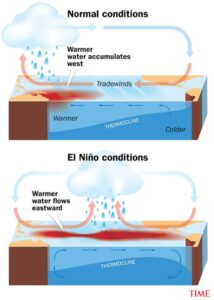
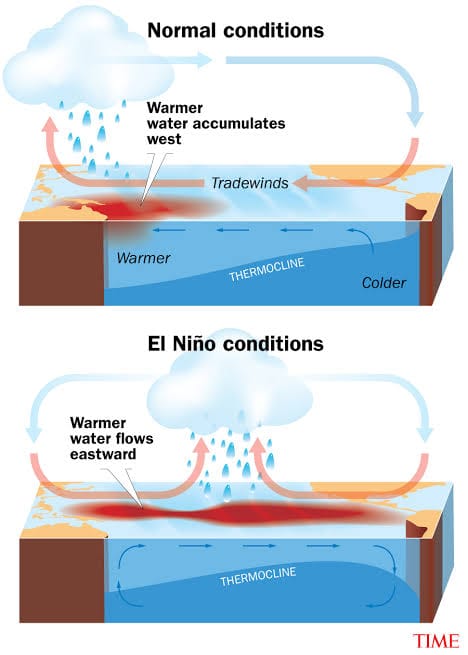
In the natural system, the oceans, atmosphere, land, forests, water resources, and living organisms are interconnected. A change in one of these can also affect other parts of the world. El Niño is one such key natural weather phenomenon. El Niño conditions are caused by unusually warm surface waters of the central and eastern tropical Pacific Ocean near the equator, a weakening of the east-west trade winds, and changes in the ocean–atmosphere system. These changes are not limited to sea surface temperatures. They affect atmospheric pressure, wind direction, cloud formation, rainfall distribution, and ocean currents, affecting global temperatures. El Niño and its opposite, La Niña, are part of a natural climate cycle called the El Niño–Southern Oscillation (ENSO). These conditions usually change over a period of a few years. However, each El Niño is not the same in intensity, duration, or area of effect. Especially in the context of increasing global warming caused by human activities, there is a risk that the effects of El Niño will be combined with more extreme temperatures, droughts, or excessive rainfall. Therefore, El Niño should be understood not only as a change in the ocean but as a key factor in global environmental security.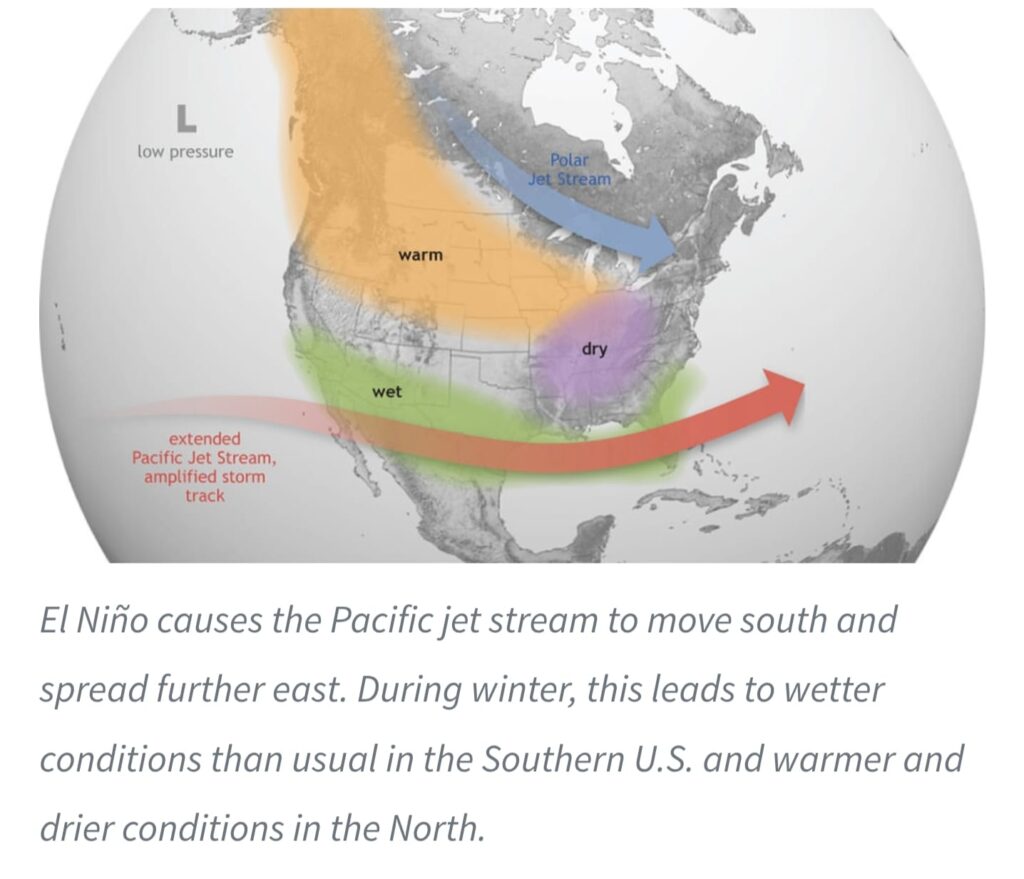
*Effects of El Niño on Weather, Temperatures, and Rainfall!*
From changes in climate to food crises.. The effects of El Niño on agriculture, industries, the economy, and the environment are about to become dangerous. The most obvious area of El Niño’s effect is the weather. Changes in temperature in the Pacific Ocean affect atmospheric circulation systems worldwide. As a result, there will be less than normal rainfall in some areas, more rainfall in others, prolonged heat waves in some places, and increased chances of flooding in others. The risk of drought may increase in Australia, Indonesia, parts of South Africa, and parts of South Asia. On the other hand, heavy rains and floods may occur during some El Niño events in parts of South America such as Peru and Ecuador. However, these effects are not the same in every case. The heat released from the ocean into the atmosphere during El Niño can also increase global average temperatures. If this additional effect is applied to the Earth, which is already warming due to greenhouse gases, the intensity of heat waves is likely to increase. This puts the elderly, young children, outdoor workers, and agricultural laborers at greater risk. High temperatures increase electricity consumption. Concrete structures, vehicle emissions, and reduced greenery in cities can make the heat feel more intense. Therefore, in assessing climate change, factors such as the Indian Ocean Dipole, local geological conditions, land use changes, and anthropogenic global warming should be considered comprehensively.
*Impact of El Niño in India and Telangana: A Challenge for the monsoon!*
India’s agriculture, water resources, and rural economy depend mainly on the southwest monsoon. El Niño conditions can create weather conditions conducive to the weakening of the Indian monsoon in some cases. However, it is not scientifically correct to say that the formation of El Niño necessarily leads to drought across the country. Factors such as the onset, expansion, pauses, and regional distribution of rainfall also depend on other weather systems. If rainfall decreases in Telangana, it may affect the yields of crops like rice, cotton, maize, sorghum and chilli. Especially in areas where rain-fed agriculture is prevalent, problems like non-germination of seeds, slow crop growth, and moisture stress during the flowering and fruiting stages may arise. If the rains fail consecutively, there is a risk of increasing dependence on groundwater and reducing the water levels of borewells. Farmers may have to take loans and spend on additional irrigation, fertilizers and pesticides. On the other hand, if the rains are late or uneven, the crop cultivation calendar will be affected. Special priority should be given to the conservation of ponds, ponds, streams, projects and groundwater in Telangana. It is necessary to provide farmers with advance information on crop selection, seed change, irrigation planning and alternative crops based on weather forecasts. To reduce the impact of El Nino, it is important to predict weather hazards in advance and make agriculture adaptable rather than blaming nature.
*Impacts on Agriculture, Farmers’ Livelihoods, and Food Security!*
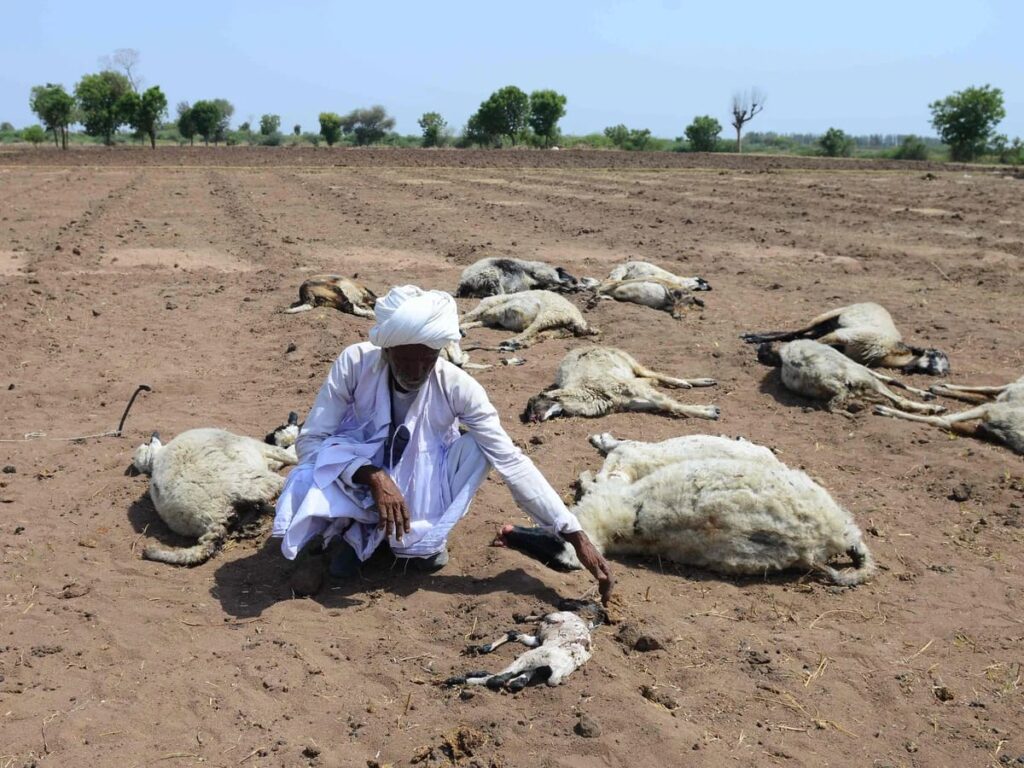
Agriculture is the backbone of India. All economic transactions and systems depend on agriculture. However, since agriculture is one of the most weather-dependent sectors, problems such as lack of timely rains, high temperatures, reduced soil moisture, and depletion of irrigation resources can affect crop yields. If drought conditions occur in some areas due to El Niño, consequences such as reduced seed germination, slowed plant growth, temperature stress during the flowering stage, and reduced yields during the grain filling stage may occur. If there is a shortage of fodder, it will also affect dairy farming, sheep, goats, and other livestock. When crop yields decrease, farmers’ incomes fall. The burden of debt may increase as the cost of seeds, fertilizers, and labor is not recovered. If the supply of food grains decreases, prices are likely to increase in the market. This situation places a greater burden on low-income families. Food security is not just about the availability of food; Everyone also has the financial ability to buy nutritious food. If the prices of food items like pulses, vegetables, fruits, and milk increase, poor families are at risk of reducing their consumption. This can lead to increased malnutrition among children, pregnant women, and the elderly. To address these problems, drought-resistant varieties, low-water crops, mixed cropping, crop diversification, soil moisture conservation practices, crop insurance, and climate-sensitive advisories to farmers are needed. Food reserves, public distribution systems, and emergency food assistance also need to be strengthened.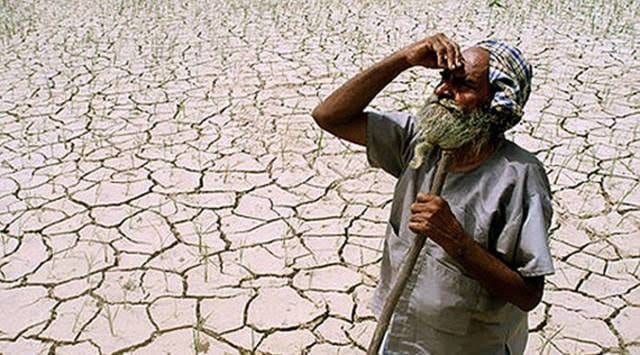
*Impacts on Water Resources, Rivers, Ponds, and Groundwater!*
Water is the basis of life. If rainfall decreases in some areas due to the effects of El Niño, the amount of water entering river flows, ponds, ponds, and reservoirs may decrease. This will affect drinking water supply, irrigation, industrial needs, and hydroelectric generation. When the rain decreases, groundwater recharge also slows down. Water levels may further decline in areas where water is already being drawn from borewells. On the other hand, during El Nino, rainfall does not decrease in all areas. In some areas, heavy rainfall may occur and floods may occur. If there is heavy rainfall in a short period of time, the water will not be able to penetrate the ground and surface runoff will increase. This can cause problems such as soil erosion, soil erosion, siltation in ponds, and pollutants entering the water. If ponds and canals in cities like Hyderabad are encroached upon, the risk of flooding will increase during heavy rains. During the period of reduced rainfall, pollution concentration is likely to increase in water bodies polluted by sewage and industrial waste. To solve the water problem, rainwater conservation, restoration of ponds, protection of watercourses, recharge of groundwater, treatment of sewage, reuse of treated water, and micro-irrigation methods for crops should be implemented. Every village and town should prepare its water budget. How much water is available? How much is being used? How much is being wasted? Water security is possible only when scientific answers are found.
*Impacts on Air Quality, Health, Wildfires, Urban Environment!*
When hot and dry conditions occur in some areas due to the influence of El Niño, the risk of wildfires may increase. The accumulation of dry leaves, branches, and grass in forests, low soil moisture, and high temperatures create favorable conditions for fires to spread rapidly. However, El Niño is not the only cause of wildfires. Human negligence, deliberate fire setting, forest encroachment, and errors in forest management are also important causes. Fires release carbon dioxide, fine dust particles, and other pollutants into the atmosphere. Smoke can travel hundreds of kilometers through the air and affect people’s health. People with asthma, respiratory problems, and heart diseases are at greater risk. Public health problems are exacerbated when high temperatures, smoke, and a shortage of drinking water combine. In cities, heat and air pollution problems increase due to vehicle pollution, industrial emissions, construction dust, and a lack of trees. The solution requires early detection systems for wildfires, satellite monitoring, training of firefighters, participation of local people, and responsible management of forests. Priority should be given to tree planting in cities to reduce the Air Quality Index (AQI) parameters, conservation of green spaces, public transport, use of clean energy, and control of industrial emissions. Governments are responsible for providing early warnings to the public during heat waves, drinking water facilities, changes in working hours, and health services.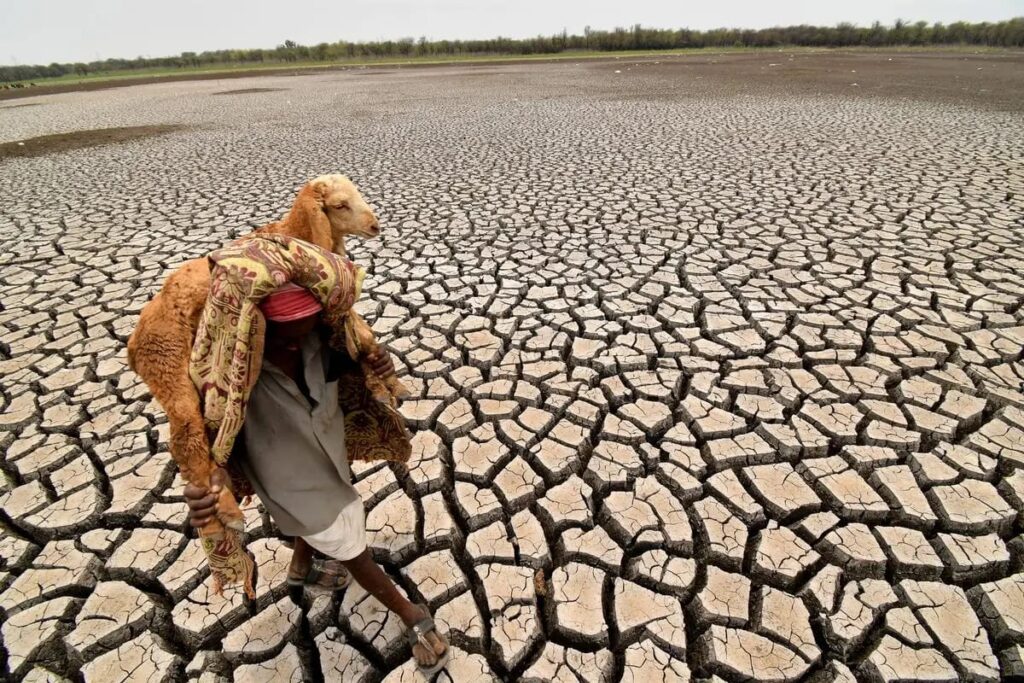
*Effects on the Earth’s Atmosphere, Soil Composition, Desertification, and Ecological Balance!*
The earth’s soil, rocks, minerals, landforms, and surface processes are interconnected with the biosphere. Decreased rainfall and increased temperatures can rapidly reduce soil moisture. Soil microbial activity, organic matter decomposition, nutrient cycling, and plant root growth can be affected. When the vegetation cover on the ground decreases, soil erosion by wind and water increases. Human activities such as overgrazing, deforestation, and unmanaged agriculture exacerbate this problem. If drought conditions occur repeatedly, land productivity in some areas will decrease and the risk of desertification will increase. On the other hand, excessive rainfall can wash away fertile topsoil. Landslides in hilly areas, soil accumulation in low-lying areas, and siltation in reservoirs can occur. If soil composition decreases, there is a risk that farmers will become more dependent on chemical fertilizers. Long-term solutions include soil testing, organic matter enrichment, crop rotation, cover crops, mulching, contour plots, rainwater harvesting, and integrated land resource management. Abandoned lands should be restored with species suited to the local climate. Natural vegetation cover should be preserved in hilly areas. Land should not be seen as just a means of production but as a living system that supports biodiversity, the water cycle, and carbon storage.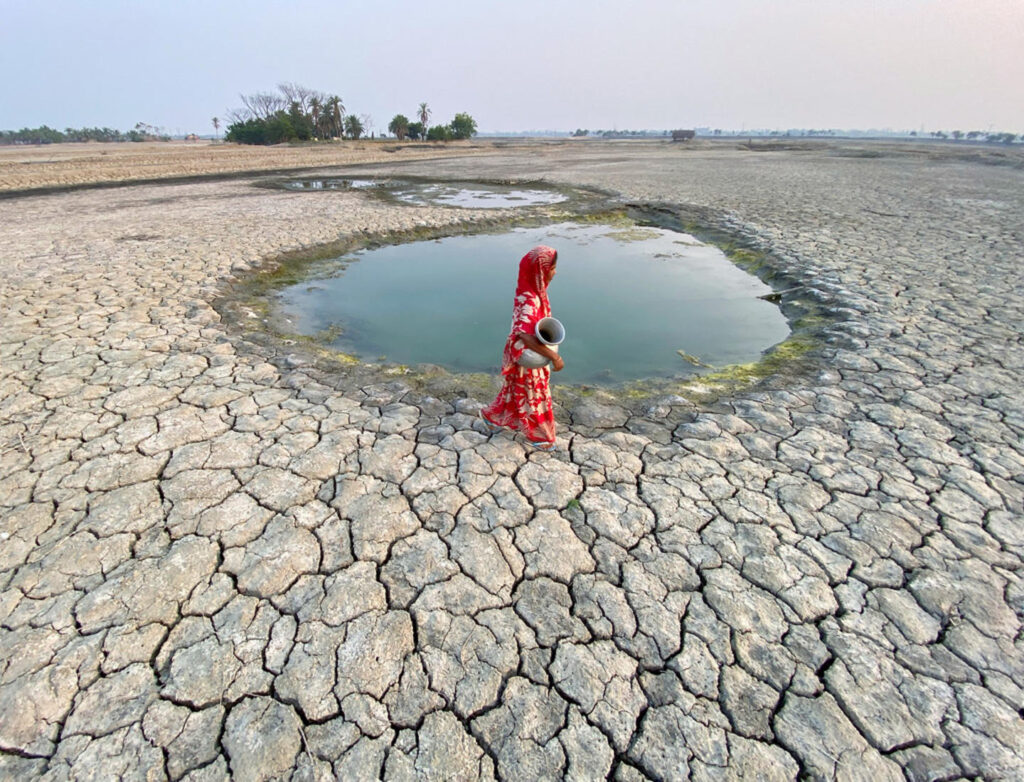
*El Niño’s Impact on Forests, Wildlife, and Biodiversity!*
Forests are not only the lungs of the earth, but also play a key role in climate regulation, the water cycle, soil conservation, carbon storage, and biodiversity conservation. If drought and high temperatures increase in some areas due to the effect of El Niño, consequences such as slowing tree growth, leaf loss, reduced plant reproduction, and increased risk of wildfires may occur. If water sources dry up, animals in the forests may have to migrate to other areas for water and food. This poses a risk of increasing human-wildlife conflicts. The movements of animals such as tigers, leopards, bears, deer, wild boars, and elephants depend on the availability of water, food, and habitat. Bird breeding, migration times, insect life cycles, and pollination processes also respond to changes in temperature and rainfall. If ponds and streams dry up, amphibians, fish, aquatic insects, and birds that depend on them may suffer. Changes in water temperatures and nutrient uptake due to El Niño in the oceans can affect the distribution of fish and the availability of food for marine life. Biodiversity loss is not limited to one species; it also affects other organisms that depend on that species. To prevent this, it is necessary to conserve forest connectivity corridors, restore natural water sources, prevent wildlife waterholes, prevent fire accidents, control illegal hunting, and prevent habitat destruction. Wildlife monitoring should be conducted scientifically in accordance with climate change.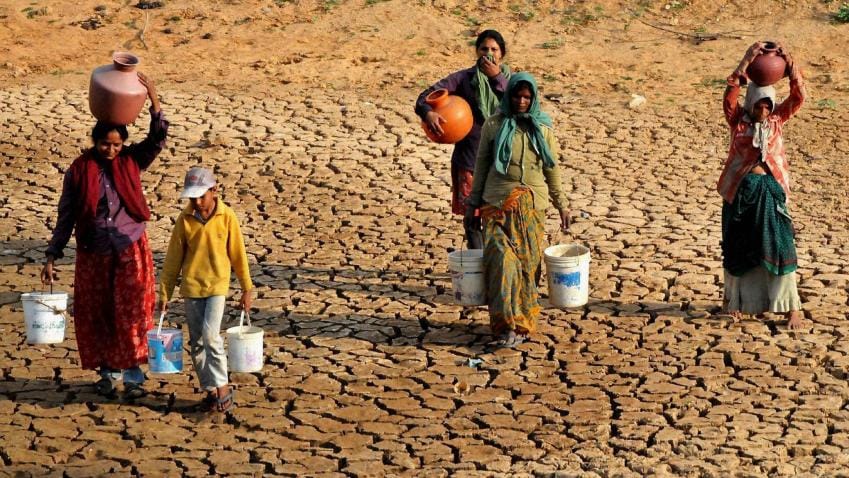
*Impact on the Global Economy, Politics, and Social Inequalities!*
The effects of El Niño are not limited to the environmental sector. They can have indirect effects on all sectors such as agriculture, food supply, power generation, industry, transportation, health, and international trade. If crop yields decrease, food grain prices are likely to increase. If hydroelectric power generation decreases due to drought, electricity shortages may occur. During heat waves, the use of cooling equipment increases, increasing electricity demand. Floods, storms, and wildfires can damage roads, railways, ports, warehouses, and supply systems. This can lead to losses for businesses, additional costs for governments, and an increase in the cost of living for people. Poor countries, rural communities that depend on the weather, small farmers, fishermen, and indigenous communities may suffer the most. Problems such as food shortages, water shortages, unemployment, and loss of livelihoods can increase migration. Resource scarcity can cause political pressures and social discontent. But it is not true that El Niño directly causes wars or political instability; it can compound the risk by compounding factors such as poverty, governance failures, inequality, and existing conflicts. Governments should strengthen disaster management funds, crop insurance, food reserves, water security schemes, climate-resilient infrastructure, and social protection for poor families. They should share food supplies, climate information, disaster relief, and technology internationally. They should create equitable policies that do not shift the burden of natural disasters to the most vulnerable.
*The Impact of El Niño: A Devastating Blow to National Economic Development!*
The impact of El Niño is not limited to weather patterns alone; it can have far-reaching consequences for a nation’s economy, development, industrial sectors, employment, and the standard of living of its people. By causing reduced rainfall, soaring temperatures, and drought conditions in certain regions, El Niño can lead to lower agricultural yields and a decline in farmers’ incomes. Rain-fed crops—such as rice, pulses, oilseeds, cotton, and sugarcane—are particularly vulnerable to these adverse effects. Shortages of fodder and drinking water can compromise the health of livestock, resulting in reduced milk yields and increased feed costs, thereby placing a significant financial burden on the dairy industry. Changes in sea-surface temperatures can alter the migration patterns of fish and the availability of marine nutrients, negatively impacting the livelihoods of fisherfolk as well as the fish-processing and export sectors. Furthermore, water scarcity can hinder hydroelectric power generation, restrict the water supply essential for industrial operations, and drive up cooling costs—all of which serve to diminish overall productivity. Shortages of raw materials, disruptions in transportation, and an increased demand for electricity can exert additional pressure on general manufacturing, food processing, the construction sector, and small businesses. As a result, food prices and inflation may rise, reducing the purchasing power of poor and middle-class families. The government may also face an additional financial burden to provide relief measures, water supply, agricultural insurance, and food security. However, the impact of El Niño is not uniform across all regions. Economic losses can be mitigated and sustainable development maintained by investing in early weather warning systems, drought-resistant crops, water conservation, fodder reserves, buffer stocks of food grains, renewable energy, and disaster preparedness.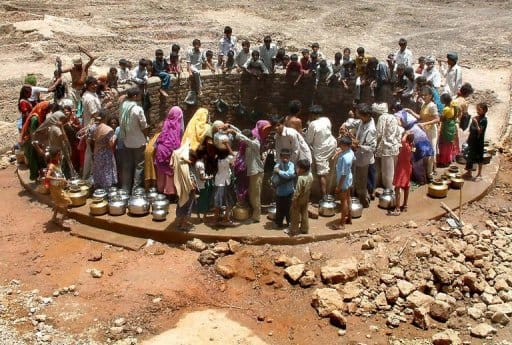
*El Niño, Global Warming, and Climate Change: Not the Same Issue!*
El Niño should not be equated entirely with global warming. El Niño is a temporary, cyclical change that occurs naturally within the ocean-atmosphere system. Global warming, on the other hand, refers to the long-term rise in the Earth’s average temperatures, primarily driven by an increase in greenhouse gases resulting from human activities—such as the burning of coal, oil, and natural gas, deforestation, industrial emissions, and significant land-use changes. Although these are distinct processes, their effects can intersect; during an El Niño event, the additional heat can compound the existing warming trend, potentially driving global average temperatures even higher. Higher temperatures can increase evaporation and reduce soil moisture. At the same time, an increased capacity of the atmosphere to hold moisture can, under certain conditions, lead to intense rainfall. However, it is scientifically incorrect to assume that all heatwaves, droughts, and floods are caused solely by El Niño. These events are driven by a combination of factors, including regional weather patterns, land-use changes, sea surface temperatures, the impact of greenhouse gases, and natural climate variability. Addressing climate change requires a two-pronged approach: reducing carbon emissions while simultaneously preparing society to adapt to the impacts already underway. Long-term measures—such as investing in solar and wind energy, improving energy efficiency, expanding public transport, conserving forests, promoting eco-friendly agriculture, and ensuring water conservation—are crucial.
*Solutions to be Adopted by Governments, Nations, and the Public!*
While it is beyond human control to completely prevent the effects of El Niño, we can certainly mitigate the resulting damage, prepare in advance, and enhance the natural resilience of our ecosystems. As a first step, meteorological departments must continuously monitor sea surface temperatures, monsoon forecasts, rainfall deficits, heatwave conditions, and drought indicators. This information should be disseminated to farmers, fisherfolk, forest departments, local bodies, and the general public in a language that is easy to understand. Secondly, agricultural and water management plans based on climate-related risks should be developed for every district. Practices such as cultivating low-water-consuming crops, using drought-resistant varieties, adopting mixed cropping and crop rotation, and implementing soil moisture conservation techniques should be encouraged. Thirdly, water bodies—including ponds, tanks, rivers, streams, and wetlands—as well as forests and natural water channels, must be protected from encroachment, pollution, and destruction. Fourthly, measures for rainwater harvesting, groundwater recharge, wastewater treatment, the reuse of treated water, and water conservation should be implemented. Fifthly, priority must be given to preventing forest fires, protecting wildlife habitats, restoring wildlife corridors, and planting native tree species. Sixthly, public health systems should take proactive measures to address challenges such as heatwaves, water scarcity, air pollution, and the outbreak of infectious diseases. Seventhly, social security measures—including crop insurance, food reserves, emergency drinking water supplies, livelihood support, and disaster relief—should be strengthened. Eighth, environmental decisions should be made through transparent governance, scientific research, the use of satellite data, and the participation of local communities. Beyond just the government, every citizen must also contribute to this effort by conserving water, protecting trees, reducing waste, and using natural resources responsibly.
*Will We Wake Up Now? Or Will We Bequeath an Environmental Crisis to Future Generations?*
El Niño is a natural weather phenomenon that is part of the natural system. But human actions also play a crucial role in turning its effects into serious disasters. Cutting down forests, encroaching on ponds, polluting rivers, indiscriminately extracting groundwater, destroying natural habitats, and increasing greenhouse gas emissions reduce the natural resilience of ecosystems. When drought conditions occur due to El Niño effects, the losses are even greater if forests, soil, and water resources are already weak. When natural watercourses are encroached upon during floods, the threat to human lives and property increases. If crops are damaged, food shortages, rising prices, and farmers’ financial difficulties worsen. If forests degrade, wildlife loses their habitats. If water sources dry up, not only humans but also birds, animals, and other living beings are in crisis. If governments do not effectively implement environmental laws, if countries do not take responsible action on climate change, and if people do not change their lifestyles, there is a risk that the economic, social and environmental losses caused by natural disasters will increase in the future. However, these consequences do not necessarily occur; risks can be reduced through advance planning, scientific decisions, environmental protection and international cooperation. Instead of thinking of conquering nature, we should adopt an attitude of coexistence with nature. If forests, water, soil and biodiversity are destroyed in the name of development, it will ultimately pose a threat to human survival. Article 48A of the Constitution of India states that environmental protection is the responsibility of the government. According to 51A(g), it is the fundamental duty of every Indian citizen to protect the surrounding natural environment, including forests, lakes, rivers and wildlife. Environmental security is possible only when this responsibility is put into practice. If El Niño is a warning, then nature protection should be our answer. Protecting the environment does not mean just saving trees; Man is to protect food, water, health, economic security, and the survival of future generations.
*Nature is warning.. The world must be Alert! Let us protect water.. Let us protect food security.. Let us secure the future!*
*”Let us protect nature—let us protect the billions of lives—let us secure the future!”*
*— Pittala Ravi Babu, Environmentalist, Former Assistant Professor, JNTUH, Hyderabad and Joint Secretary, Orugallu Wildlife Society (OWLS) NGO, Telangana, Bharath. Cell: +91 9849425271.*