The Festival of Lights Should Not Leave Darkness to Nature
*Diwali: If Eco-Friendly Tradition is Ours.. Nature will Protect Us!*
*The Festival of Lights Should Not Leave Darkness to Nature!*
*We Need to Change, We are the Ones to Change – Not the Culture of Celebrating Festivals!*
*Let’s add Environmental Consciousness to Traditions – Let’s Provide Healthy Festivals to Future Generations!*
*Safe Diwali – Save Environment!*
*— Author: RAVI BABU PITTALA, A Renowned Environmentalist.*
*Diwali is not just a festival of lights – a culture that fills lives with light!*
Diwali has a special place in Indian culture. We celebrate this festival as a symbol of the victory of light over darkness, good over evil, and knowledge over ignorance. Traditions like family members and relatives coming together, cleaning houses, lighting lamps, and sharing sweets are reflections of our social unity. The true meaning of festivals is to promote love, affection, happiness, and harmony between people. However, our happiness should not cause pain to another living being. Our celebrations should not become a danger to nature.
*Festivals of that time – a lifestyle linked to nature!*
In the past, our festivals had an inseparable connection with nature. Traditions like placing muggu in front of the house, flower decorations, mango arches, clay pyramids, lighting lamps with sesame oil or other natural oils are examples of an environmentally friendly lifestyle. During festivals, there were rituals like cleaning the houses and surroundings, meeting relatives, and decorating with things found in nature. A festival means enjoying nature, living together with society, and passing on our culture to the next generations.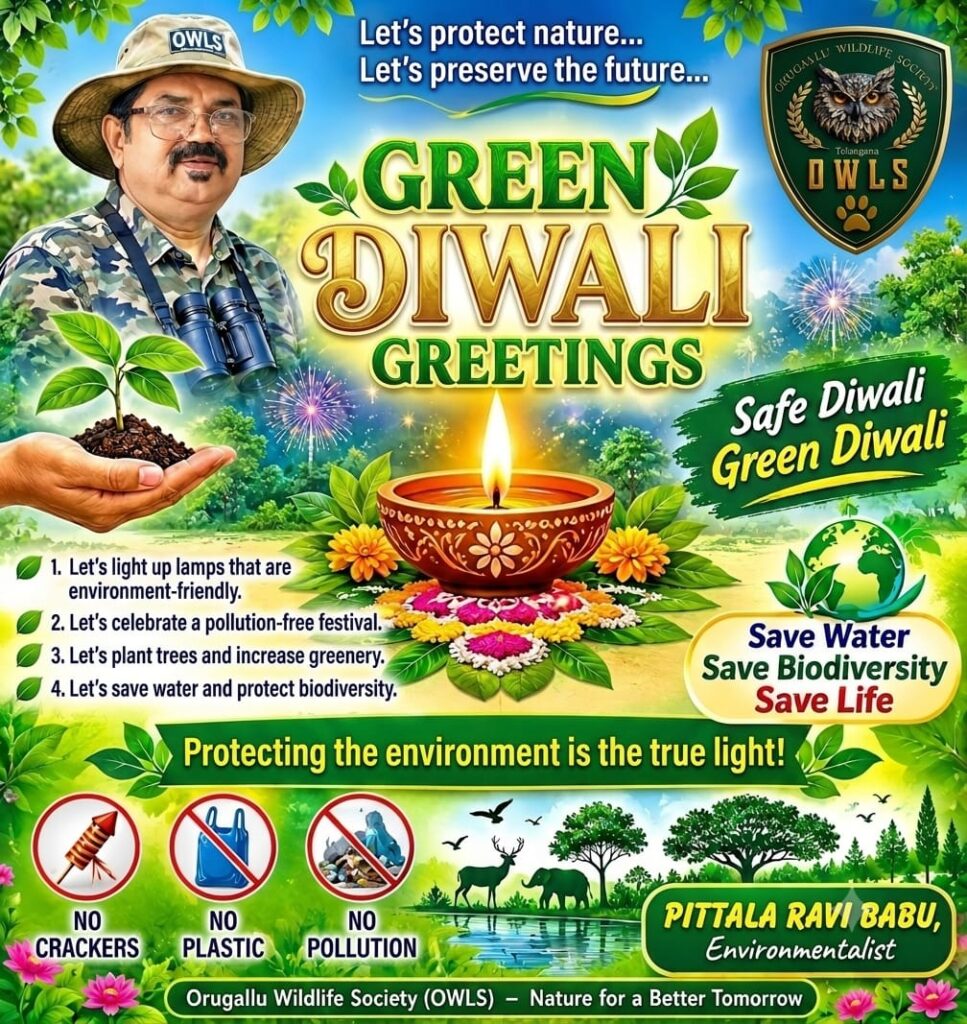
*Changing festival culture – from joy to pomp!*
Over time, many changes have occurred in the way festivals are celebrated. Traditional lamps have been replaced by high electricity consumption, natural decorations by plastic decorations, family gatherings by showy celebrations, and crackers that should be a symbol of happiness by loud noises and smoke. The original purpose of festivals is gradually being lost, and consumerism, show-off culture, and unnecessary spending are increasing. Does the festival we are celebrating reflect our culture? Or is it making us forget our environmental responsibility? Everyone should think about it. Diwali should not be limited to the tradition of lighting lamps, burning crackers, and celebrating with joy, but should be celebrated with a unique scientific and social message, linking it with nature conservation, biodiversity conservation, and environmental responsibility.
*Firecracker Pollution – An Invisible Danger to Our Health!*
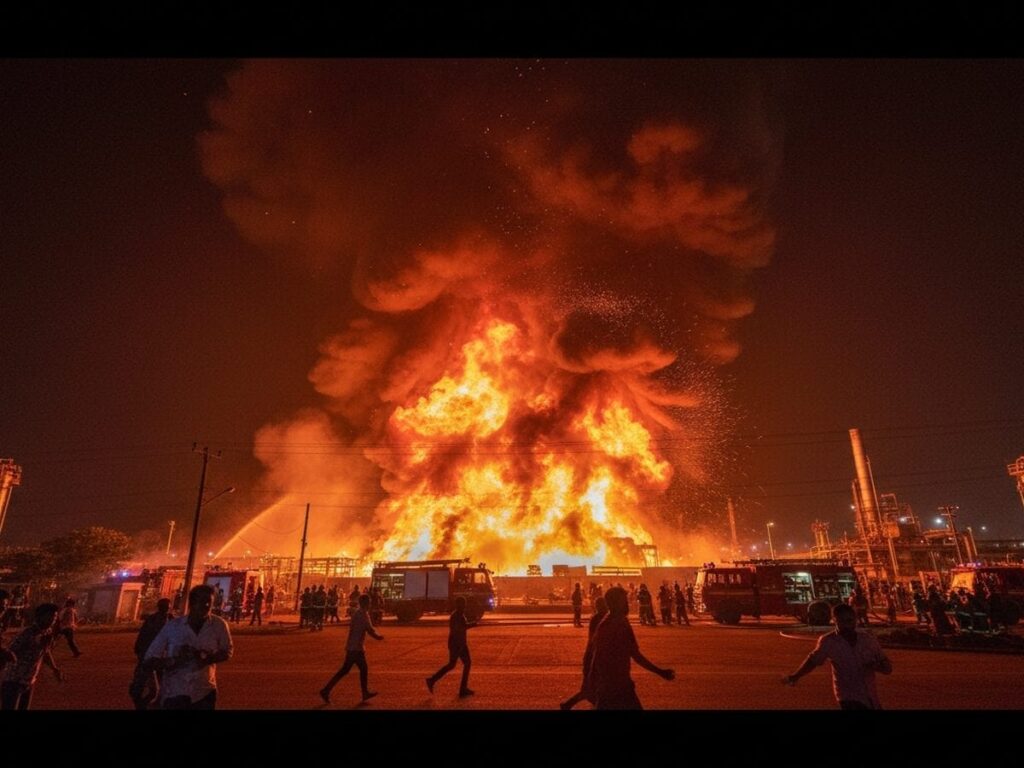
During Diwali, the burning of firecrackers in large quantities can increase the levels of fine dust particles like PM2.5, PM10, sulphur dioxide, nitrogen oxides and other pollutants in the atmosphere. These can worsen air quality and aggravate respiratory problems, eye irritation, throat problems and asthma. Children, the elderly, pregnant women and those with respiratory problems are particularly affected. How much is it reasonable to poison the air we breathe for one day of celebrations? Clean air is the lifeblood given to us by nature. It is our responsibility to protect it.
*Three main pollutants in firecracker pollution*
Diwali firecrackers and firecrackers cause three main pollutants. They are air pollution, noise pollution and land-water pollution. First is *Air pollution:* When firecrackers explode, sulfur dioxide (SO₂), nitrogen oxides (NO₂), carbon monoxide, carbon dioxide (CO₂) and fine particulate matter (PM2.5, PM10) are released in large quantities. This toxic smoke enters the lungs and causes serious problems for people with asthma and respiratory problems and children. *Chemicals:* Metals and chemicals such as barium nitrate, lead, aluminum and potassium nitrate are used in firecrackers. For example, research shows that the smoke emitted by one ‘snake billa’ is equivalent to the smoke of about 464 cigarettes. *Noise Pollution:* In India, the legal maximum noise limit for firecrackers is 125 decibels. However, the sound of ordinary bombs and explosions exceeds 120 decibels. This can cause serious ear problems and stress for young children, the elderly and pets. *Soil and water pollution:* Heavy metals like lead and barium present in the residue of firecrackers can enter the soil and water and harm the environment. *Green Crackers:* Developed by CSIR-NERI to reduce pollution to some extent, green crackers emit about 30% less particulate matter (PM) and less pollutant emissions than ordinary firecrackers.
*Noise pollution – Not just for humans, but also for animals!*
The loud bursting of crackers can cause hearing problems, mental stress, sleep disturbances, and heart problems in humans. But another important factor that we often ignore is the impact on wildlife, birds, and pets. Birds are startled by sudden loud noises and can disrupt their natural behavior. Birds in their nests, bats roaming at night, stray dogs, and cats are all terrified. Biodiversity is not just about the big animals in the forest; every small creature that lives around us is a part of it.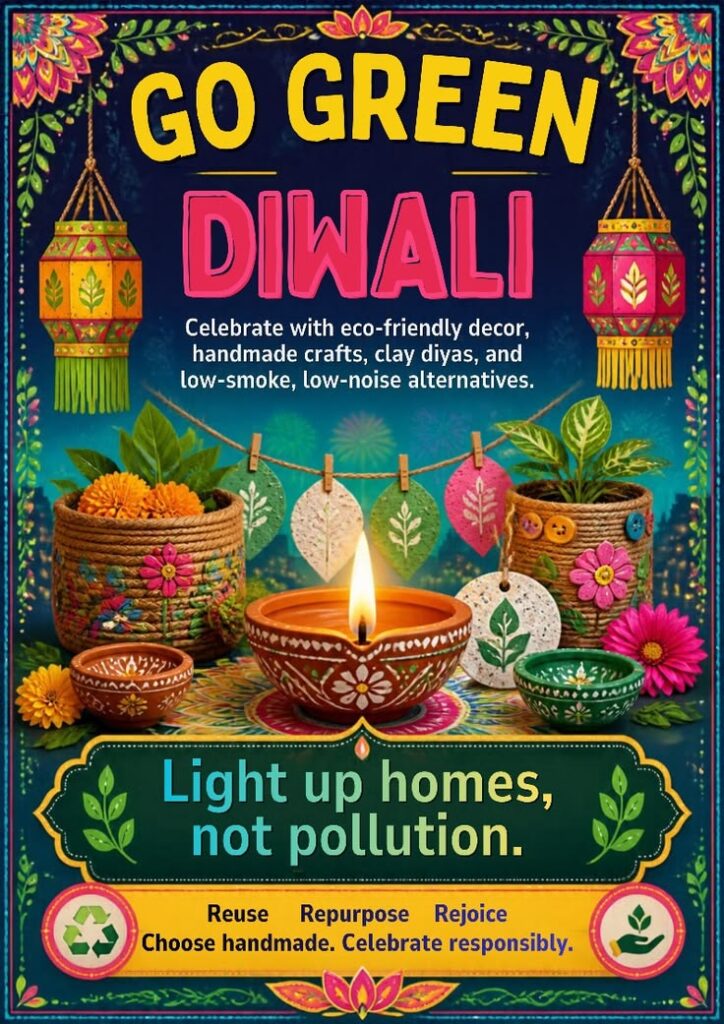
*Firecracker waste – Another threat to soil, water and the environment!*
Paper, plastic pieces, chemical residues, and metal-related materials left after the explosion of firecrackers accumulate in streets, vacant lots, and waterways. If these are not collected and disposed of properly, they can have adverse effects on soil and water quality. There is also a risk that some wastes may be mistaken for food by birds and animals. It is not a sign of a developed society that our surroundings turn into garbage dumps after the festival is over. Environmental hygiene and waste management should also be part of the festival culture.
*Green Diwali – Modern environmental consciousness for traditions!*
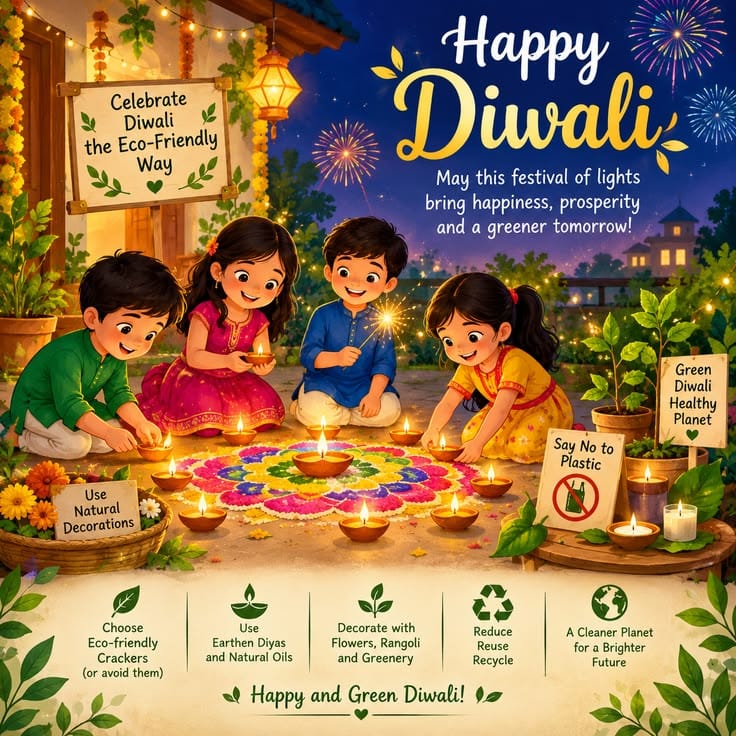
Green Diwali does not mean not celebrating the festival; it means doubling the joy while minimizing harm to the environment. Methods like lighting earthen lamps, using natural oils, decorating with locally available flowers, making colorful garlands, and sharing happiness with family members should be encouraged. Use only as many electrical decorations as necessary. Avoid plastic decorations and single-use items. By giving priority to local artisans, potters, and small traders during festivals, you can benefit the environment as well as the local economy.
*Children should be taught the true meaning of festivals!*
Children should not have the idea that Diwali is only about bursting crackers and buying expensive gifts. The spiritual and cultural concept behind lighting lamps and the relationship between man and nature should be explained. Schools and colleges should organize green Diwali programs. Steps should be taken to plant saplings with students, arrange water bowls for birds, and organize environmental awareness programs. Through festivals, children should develop environmental ethics, compassion for all life, and responsibility towards nature. The festival culture that we teach children today will build tomorrow’s society.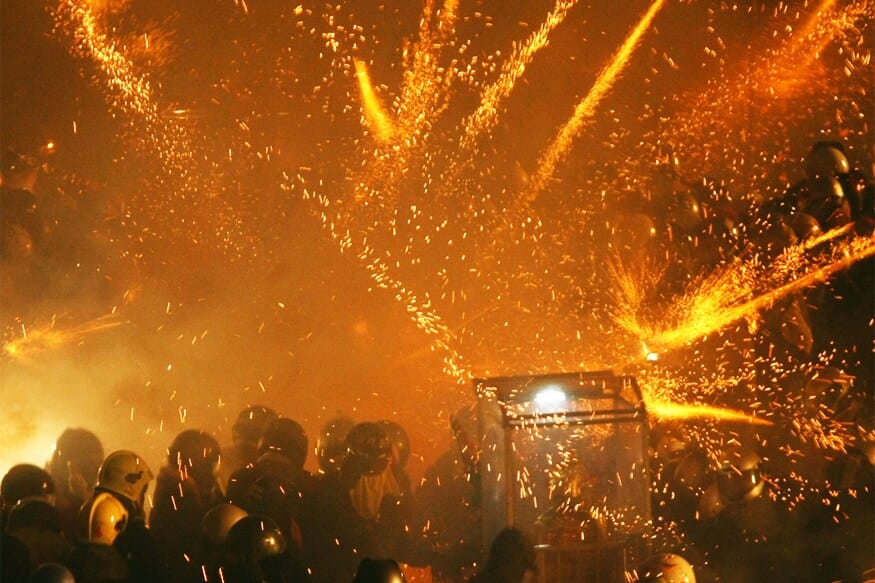
*Governments, local bodies, and people are collectively responsible!*
Governments, pollution control boards, local bodies, and voluntary organizations should work in coordination for an environmentally friendly Diwali. Pollution control regulations should be implemented. The sale of crackers that are not licensed and manufactured in violation of regulations should be stopped. People should be made aware in advance. Special measures should be taken to prevent noise pollution in the vicinity of hospitals, schools, old age homes, and animal shelters. Waste should be collected and managed scientifically after the festival. Environmental protection is not a one-day event; it is a continuous social responsibility.
*There are many alternatives to happiness – pollution is not necessary!*
Diwali celebrations can be celebrated beautifully without crackers. Activities like lighting earthen lamps with family members, providing food and clothes to the poor, supporting environmental conservation programs, setting up water pots for birds, buying earthenware from local artists, and planting trees give a new meaning to the festival. Our happiness should not harm the health of others or threaten the survival of another living being. A real festival is one that is celebrated in a way that makes us, the society around us, and nature happy.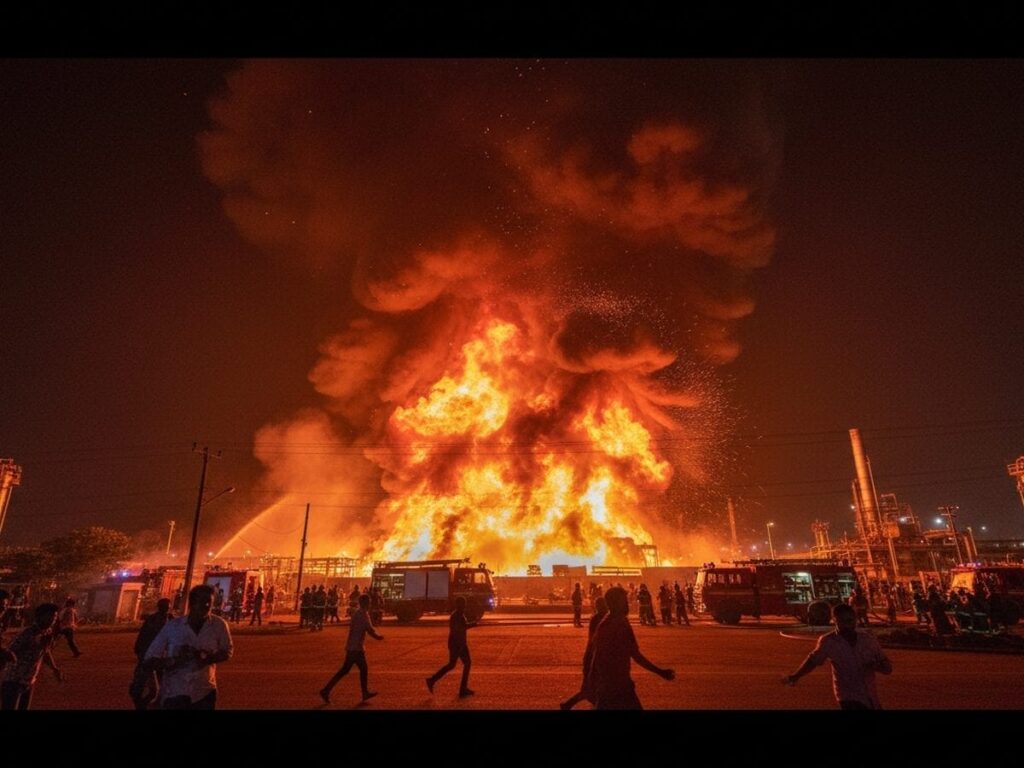
*Festivals should not change – our way of thinking about celebrating festivals should change!*
We should respect the traditions given by our ancestors. At the same time, they should be practiced more responsibly, keeping in mind today’s scientific knowledge and environmental needs. Culture is not just about following old methods blindly; it is also about embracing good changes over time. Our festivals should reflect a philosophy of life that respects nature. Our celebrations should be aimed at protecting the health of air, water, soil, forests, birds, animals, and humans. Festivals with environmental awareness are the greatest cultural heritage we can give to future generations.
*This Diwali, we need a promise to nature!*
On the occasion of this Diwali, let us all take a resolution. The lamp lit in our homes should also ignite environmental awareness in our thoughts. Our joy should not increase pollution in the air, garbage in the surroundings, and fear in living beings. The festivals we celebrate should contribute to the survival of all living beings on earth. Because this earth does not belong only to humans; it is an equal habitat for all living beings, including trees, birds, animals, insects, and aquatic life. Nature will protect us only if we protect it. This Diwali, let us choose spirituality over pomp, cleanliness over pollution, responsibility over consumption, and conservation of biodiversity over destruction. “The lights of our festivals should not only illuminate the lives of humans, but also the lives of every living being in nature!”.
*Our motto:*
*Safe Diwali – Save Environment!*
*Light Lamps, Not Pollution!*
*Celebrate Festivals, Not Noise!*
*Protect Air, Water, Soil and Biodiversity!*
*Let us love nature – Let us celebrate festivals in an eco-friendly manner, let us protect the culture of our country!*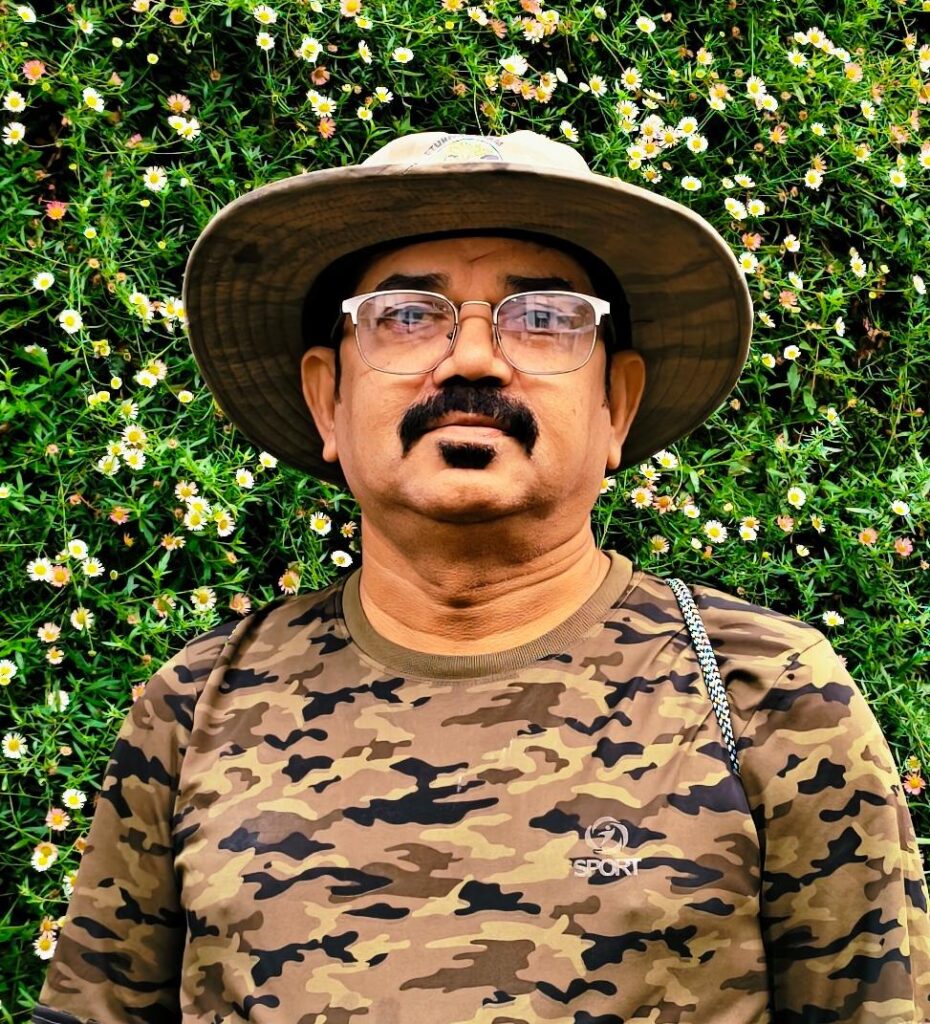
*— Ravi Babu Pittala, Eminent Environmentalist, Former Assistant Professor, JNTUH, Hyderabad and Joint Secretary, Orugallu Wildlife Society (OWLS) NGO, Telangana. Cell: +91 9849425271.*